
New Research Reveals How Mitochondria and Disease Directly Impacts Fat Burning
So, it turns out our body's little powerhouses, the mitochondria, might be playing a bigger role in weight gain than we thought. Recent research is pointing to how problems with these cell parts, known as Mitochondrial Dysfunction, can actually make it harder for our bodies to burn fat. It's a bit like the engine in your car not running as efficiently, leading to more fuel being stored instead of used. Emerging research is drawing a powerful link between mitochondria and disease, showing how dysfunction in these cellular powerhouses can lead to chronic conditions like obesity and diabetes. This new understanding could be a game-changer for how we approach weight management.
Key Takeaways
Mitochondria, the energy producers in our cells, can become less effective at burning fat when they fragment, a process linked to obesity.
A protein called RalA seems to be a key player, triggering this fragmentation and contributing to weight gain.
This mitochondrial issue primarily affects subcutaneous fat cells, making them less capable of burning fat, similar to visceral fat.
Understanding this Mitochondrial Dysfunction offers potential new targets for developing treatments to help with weight loss and metabolic health.
The findings in mice show similar mechanisms at play in humans, suggesting that targeting the RalA pathway could be a future strategy for obesity treatment.
Understanding Mitochondrial Dysfunction in Obesity
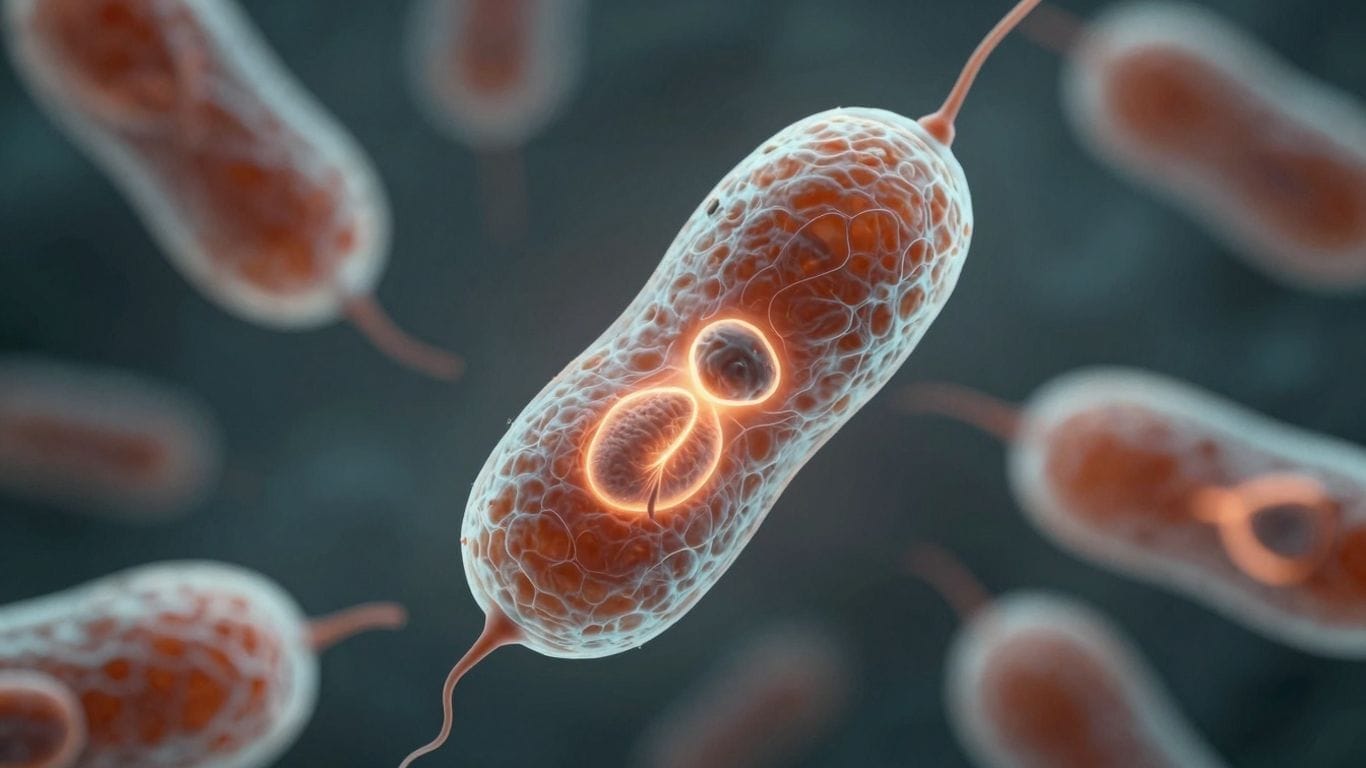
Our bodies are amazing machines, and at the heart of how we use energy are these tiny powerhouses called mitochondria. They're inside pretty much every cell, and their main job is to take the food we eat and turn it into usable energy. Think of them as the cell's personal power plants. But when we talk about obesity, things get a bit more complicated. It turns out that carrying extra weight can really mess with how these mitochondria work.
The Role of Mitochondria in Energy Metabolism
Mitochondria are absolutely central to how our bodies manage energy. They're responsible for a process called cellular respiration, where they take nutrients and oxygen and convert them into ATP, which is basically the energy currency of our cells. This process is key for everything we do, from thinking to moving to just keeping our organs running. The efficiency of these mitochondria directly influences how many calories we burn. When they're working well, our bodies are better at using fuel. When they're not, it can lead to a buildup of energy that gets stored as fat.
How Obesity Disrupts Cellular Powerhouses
So, what happens when someone becomes obese? Well, the fat cells, also known as adipose tissue, start to change. Normally, adipose tissue is pretty dynamic, helping store and release energy as needed. But in obesity, these cells can become overloaded. This overload seems to trigger a cascade of events that negatively impacts the mitochondria within them. Instead of being long and healthy, the mitochondria can start to break apart into smaller, less functional pieces. This fragmentation is a big deal because it means the cell's ability to burn fat for energy is significantly reduced. It's like a power plant breaking down its generators into smaller, less efficient units.
Mitochondrial Fragmentation and Reduced Fat Burning
This fragmentation isn't just a random event; it's a sign that something is fundamentally wrong with how the cell is handling energy. When mitochondria break apart, they lose their capacity to perform their energy-generating duties effectively. This means that fat cells, which should be able to burn fat for energy, become much less capable of doing so. This creates a vicious cycle: the body stores more fat because it can't burn it efficiently, which further contributes to obesity. This breakdown in mitochondrial function is a key reason why chronic low-grade inflammation and mitochondrial dysfunction are key factors in the development of metabolic disorders associated with obesity. It's a complex problem, but understanding these cellular changes is the first step toward finding solutions.
The shift from healthy, energy-burning fat cells to ones that primarily store energy is a hallmark of obesity. This change is deeply tied to the internal workings of our cells, specifically the mitochondria. When these energy factories falter, so does our body's ability to manage weight effectively.
The RalA Protein: A Key Regulator of Mitochondrial Fission

So, what's actually going on inside our fat cells when we gain weight? It turns out, a specific protein called RalA is a pretty big player. Researchers have found that RalA acts like a switch, controlling how mitochondria split apart, a process known as fission. Normally, mitochondria are dynamic, changing shape and size, but in obesity, this process gets out of whack.
Discovery of RalA's Role in Obesity
Scientists were already looking into RalA's connection with insulin and how it affects fat cells. They had a hunch it might be involved in the mitochondrial changes seen in obesity. To test this, they fed mice a diet high in fat for a few weeks. What they saw was pretty striking: the mitochondria in the white fat tissue started breaking into smaller pieces, and RalA levels went up. This fragmentation made the mitochondria less efficient at burning energy. This suggests that RalA's overactivity in obesity is a major reason why fat cells struggle to burn fat.
RalA's Impact on Mitochondrial Dynamics
When RalA is chronically activated, it seems to push mitochondria towards excessive fission. Think of it like a factory assembly line where the machines (mitochondria) are constantly breaking down into smaller, less productive units. This fragmentation is directly linked to reduced fat-burning capacity. It's not just a minor glitch; it's a significant disruption of how our cells generate and use energy. The research even found similar mechanisms at play in white fat cells from people, linking RalA activity to human obesity.
Targeting RalA for Therapeutic Potential
This discovery opens up some interesting possibilities. If RalA is the culprit behind mitochondrial fragmentation and reduced fat burning in obesity, then maybe we can target it. Researchers have already seen that mice genetically engineered to lack RalA in their fat tissue were protected from weight gain on a high-fat diet. They also showed better metabolic health overall. This hints that blocking RalA's activity could be a way to help manage weight and related metabolic issues. It's still early days, of course, and more research is needed to figure out how to safely and effectively do this in humans, but it's a promising avenue for future obesity treatments. Understanding how a high-fat diet initially increases RalA levels is also a key area for further study, potentially offering even more ways to intervene. The protein Tmem135, for example, is another molecule involved in regulating mitochondrial fission, showing the complex nature of these cellular processes Tmem135.
The way RalA influences mitochondrial fission is a significant finding. It helps explain why fat cells in obese individuals become less effective at burning energy. This cellular-level insight is vital for developing new strategies to combat obesity.
Differences Between Subcutaneous and Visceral Fat
When we talk about body fat, it's not all the same. There are actually a couple of main types, and they behave differently. The fat stored just under your skin, called subcutaneous fat, is what you might notice on your hips, thighs, and belly. It's generally considered the "good" kind of fat because it can both store and burn energy. Then there's visceral fat, which is the deeper fat that surrounds your organs in your midsection. This type is more closely linked to health problems. In a healthy body, subcutaneous fat cells tend to have longer, more active mitochondria, ready to burn fuel. Visceral fat, on the other hand, often has less active mitochondria.
Obesity's Effect on Subcutaneous Fat Mitochondria
Here's where things get interesting, and frankly, a bit concerning. When obesity sets in, it seems to mess with the mitochondria in your subcutaneous fat. Instead of staying long and active, these cellular powerhouses start to break apart into smaller pieces. This process, called fission, happens way more often in obesity. It's like the cell is trying to cope with too much energy by fragmenting its machinery. This fragmentation makes the mitochondria less effective at their main job: burning fat.
Loss of Fat-Burning Capacity in Adipose Tissue
So, what's the big deal about these fragmented mitochondria? It means that the subcutaneous fat, which should be helping you burn calories, starts to lose that ability. It begins to act more like visceral fat, focusing more on storing energy rather than using it up. This shift contributes to why losing weight can be such a struggle for people with obesity. The very cells that could help with fat burning become less capable, creating a cycle that's hard to break.
The changes in mitochondrial structure within subcutaneous fat cells during obesity are not just a minor glitch; they represent a significant metabolic shift. This fragmentation directly impairs the cell's ability to perform its intended function of energy expenditure, contributing to the overall metabolic challenges associated with excess weight.
Here's a look at how mitochondrial structure can change:
Normal Subcutaneous Fat: Mitochondria are typically longer, interconnected, and actively involved in burning fat.
Obese Subcutaneous Fat: Mitochondria become fragmented, shorter, and less efficient at fat oxidation.
Visceral Fat (for comparison): Often shows signs of fragmentation even in non-obese states, but obesity exacerbates this in subcutaneous fat.
This transformation means that the body's capacity to burn fat is reduced, making weight management more difficult.
Implications of Mitochondrial Dysfunction for Weight Management
The Link Between Mitochondrial Health and Weight Loss
So, what does all this mitochondrial business mean for trying to shed some pounds? Well, it turns out that when your mitochondria aren't working right, it's a lot harder to lose weight. Think of mitochondria as tiny engines in your cells that burn fuel – in this case, fat. If those engines are broken or fragmented, they just can't burn as much fuel. This research suggests that obesity messes with these engines, making them less effective at burning fat. It's like trying to drive a car with a sputtering engine; you're not going to get very far, or burn much gas.
Metabolic Abnormalities Driven by Mitochondrial Changes
When mitochondria get messed up, it doesn't just affect fat burning. It throws a whole bunch of other metabolic processes out of whack too. This can lead to things like insulin resistance, which is a big player in type 2 diabetes and other health issues. Basically, your body gets less efficient at handling sugar and storing energy properly. It's a cascade effect – one problem leads to another, making it even tougher to manage your weight and overall health.
Potential for New Obesity Treatments
This is where things get interesting. If we can figure out how to fix or protect these mitochondria, we might have new ways to fight obesity. The discovery of proteins like RalA, which seem to control how mitochondria break apart, offers a potential target. If scientists can find ways to block or manage RalA's activity, it might help keep mitochondria healthy and boost fat burning. It's still early days, but the idea of treatments that work at the cellular level to help with weight management is pretty exciting.
Here's a quick rundown of how mitochondrial issues can impact weight:
Reduced Fat Burning: Fragmented mitochondria can't process fat as efficiently.
Energy Storage: Cells may become better at storing energy rather than burning it.
Metabolic Slowdown: Overall energy expenditure can decrease, making weight loss harder.
Hormonal Imbalances: Mitochondrial dysfunction can affect hormones that regulate appetite and metabolism.
The way our cells manage energy is incredibly complex. When the tiny powerhouses within our fat cells, the mitochondria, start to break down or fragment due to factors like obesity, it directly hinders the body's ability to burn fat. This cellular-level change contributes significantly to the difficulty many people face when trying to lose weight, creating a cycle that's hard to break.
Translating Research Findings to Human Health
So, what does all this science about mitochondria and the RalA protein actually mean for us? It's pretty exciting because the lab work isn't just staying in the lab. Researchers are seeing that the same basic biological processes happening in mice are also present in people. This suggests that targeting the RalA pathway could be a real way to help people manage their weight and related health issues.
Evidence of Similar Mechanisms in Humans
When scientists looked at white fat cells from people, they found that the same mechanisms involving RalA and mitochondrial changes were at play. They also noticed that the activity of a specific protein involved in this process was linked to obesity in humans. It’s like finding a common thread connecting the dots between animal studies and our own bodies.
The Promise of Targeting the RalA Pathway
Because these findings seem to translate from mice to humans, there's a lot of hope for new treatments. The idea is that by finding ways to control RalA activity, we might be able to boost fat burning in our own cells. This could lead to new medications or therapies aimed at helping people lose weight and improve their metabolic health.
Here's a quick look at what targeting RalA could potentially do:
Increase fat burning: By improving mitochondrial function, cells could become more efficient at using fat for energy.
Improve metabolic markers: This could include better blood sugar control and reduced inflammation.
Prevent weight gain: Intervening early might help stop the cycle of obesity and its associated problems.
Future Directions in Obesity Research
While this research is a big step forward, there are still questions to answer. For instance, scientists want to figure out exactly how a high-fat diet causes RalA levels to go up in the first place. Understanding this could open up even more avenues for prevention and treatment. It's a complex puzzle, but each piece we uncover brings us closer to effective solutions for obesity.
The connection between how our cells' powerhouses work and how our bodies store and burn fat is becoming clearer. This research highlights that problems with mitochondria, influenced by things like the RalA protein, aren't just a minor issue but a significant factor in obesity. The potential to develop therapies based on these discoveries is a really promising development for public health.
What This Means for Us
So, what's the takeaway from all this science talk about mitochondria and fat cells? Basically, it looks like when we gain weight, our fat cells' powerhouses, the mitochondria, get all messed up. They start breaking apart instead of staying in their usual, more efficient shape. This makes it harder for our bodies to burn fat, which is a big reason why losing weight can be such a struggle. The good news is, researchers have figured out the specific molecules, like RalA, that cause these changes. Understanding this could eventually lead to new ways to help our bodies burn fat better, potentially offering new approaches to tackling obesity. It’s pretty fascinating to see how things work at such a tiny level and how it all connects to something as big as our weight.
If supporting your mitochondrial function might be the missing piece you've been looking for, you can check out Mitolyn and see if it makes sense for you. Read about the ingredients. Look at what actual users are saying.
At the end of the day, you've got nothing to lose. Except maybe that stubborn fat that's been hanging around way too long.


Disclaimer: The information provided on this site is intended for your general knowledge only and is not a substitute for professional medical advice or treatment for specific medical conditions. You should not use this information to diagnose or treat a health problem or disease without consulting with a qualified healthcare provider. Please consult your healthcare provider with any questions or concerns you may have regarding your condition. Your use of this website indicates your agreement to this websites published terms of use and all site policies.
All trademarks, registered trademarks and service-marks mentioned on this site are the property of their respective owners. © Copyrights 2025.