


Written By - Jemily Wood, RD - Registered Dietitian & Lead Reviewer
Do you gain weight on your period?
So, you've stepped on the scale and noticed a few extra pounds right before your period. It's a common experience, and it makes you wonder: Do you gain weight on your period? The short answer is, it's complicated, but often temporary. Let's break down why those numbers might creep up and what's really going on with your body during that time of the month.
Key Takeaways
Hormonal shifts, especially the rise and fall of progesterone and estrogen, can cause your body to hold onto more water, leading to temporary weight gain.
Water retention is a major culprit behind pre-period weight fluctuations, making you feel bloated and heavier, but it's not actual fat gain.
Cravings for salty snacks and sweets, coupled with fatigue that might curb your exercise routine, can also contribute to short-term weight changes.
Changes in digestion, like constipation or diarrhea, and even slight shifts in your metabolism can make you feel heavier during your cycle.
While a few pounds of fluctuation is normal, significant or persistent weight gain should be discussed with a doctor to rule out other health concerns.
Understanding Period-Related Weight Fluctuations
It's pretty common to notice your jeans feeling a little snug or the scale showing a few extra pounds right before your period starts. You're definitely not alone in this experience. These shifts are a normal part of the menstrual cycle for many people, and understanding why they happen can make them feel less concerning.
Hormonal Shifts and Their Impact
In the days leading up to your period, your body goes through some significant hormonal changes. Think of it like a natural ebb and flow. As estrogen levels drop, progesterone tends to rise. This hormonal dance can influence how your body behaves in a few key ways.
The Role of Progesterone and Estrogen
These two hormones, progesterone and estrogen, are like the conductors of your cycle. When progesterone is high, particularly in the luteal phase (after ovulation and before your period), your body might become more inclined to hold onto water. This is a temporary effect, and usually, this retained fluid will decrease once your period begins. It's not uncommon to see a pound or two of fluctuation due to this.
Temporary Weight Gain During Your Cycle
This pre-period weight gain is typically due to water retention, not actual fat gain. It's a short-term effect that usually resolves itself within a few days of your period starting. So, while the scale might go up a bit, it's generally not a cause for long-term worry. For more information on managing these common changes, you can check out period-related weight changes.
Here's a quick look at what might be happening:
Hormonal Fluctuations: Estrogen and progesterone levels change, influencing appetite and water balance.
Water Retention: Progesterone can cause your body to hold onto more fluid.
Dietary Changes: Cravings for certain foods might increase.
Activity Levels: Fatigue can sometimes lead to less exercise.
It's important to remember that daily weight can fluctuate for many reasons, including meals, hydration, and even bowel movements. These menstrual cycle-related changes are just another part of that natural variation.
Progesterone's Influence on Fluid Balance
So, what's the deal? It largely comes down to hormones, specifically progesterone. As your cycle progresses towards your period, progesterone levels start to rise after ovulation. This hormone plays a role in how your body manages fluids. When progesterone is elevated, it signals your body to hold onto more salt and water. Think of it like your body preparing for potential pregnancy by creating a more fluid-rich environment. This increased fluid retention can lead to a noticeable, albeit temporary, jump on the scale.
Bloating and Puffiness Explained
This water retention often shows up as bloating and a general feeling of puffiness, especially in your abdomen, breasts, and even your hands and feet. It's not just water, though. Hormonal shifts can also affect your digestive system, sometimes leading to more gas and a feeling of fullness. This combination of fluid buildup and digestive changes can make you feel heavier and uncomfortable, even if your actual body fat hasn't changed.
Water Retention vs. Fat Gain
It's important to remember the difference here. The weight you might gain in the days leading up to your period is primarily due to water and temporary fluid shifts, not an increase in body fat. This means that once your period begins and hormone levels start to rebalance, this extra weight usually disappears within a few days. It’s a natural part of your monthly cycle, not a sign of unhealthy weight gain.
Here's a quick look at what's happening:
Hormonal Shifts: Progesterone rises, signaling the body to retain more salt and water.
Digestive Changes: Hormones can also lead to increased gas and bloating.
Temporary Effect: This weight gain is usually temporary and resolves after your period starts.
While it can be frustrating to feel bloated and heavier, understanding that it's a normal hormonal response can help ease some of the discomfort. It's your body's way of responding to the cyclical changes happening within.
Dietary Habits and Activity Levels Around Your Period
It's pretty common to notice some shifts in what you feel like eating and how much energy you have for exercise as your period approaches. Hormones are doing a number on us, and that can definitely influence our choices.
Cravings for Salty Foods and Sweets
Ever find yourself reaching for chips or chocolate right before your period? You're not alone. Hormonal changes, particularly the dip in serotonin, can make us crave sugary and high-carb foods. It's like our brain is trying to get a quick mood boost. Similarly, changes in hormones can make salty foods more appealing, which, unfortunately, can lead to more water retention. It's a bit of a double whammy.
Impact of Fatigue on Exercise Routines
When you're feeling tired and maybe a bit crampy, the last thing you might want to do is hit the gym. Fatigue is a real thing during the premenstrual phase, and it can make even a light workout feel like a marathon. This dip in energy can lead to a decrease in physical activity, which, combined with increased appetite, can contribute to that temporary weight gain.
Comfort Eating and Its Contribution
Let's be honest, sometimes we just want to curl up with a blanket and some comfort food when we're not feeling our best. The emotional ups and downs that can come with hormonal shifts might lead to what's often called "comfort eating." While it's okay to indulge a little, if these comfort eating habits become more frequent or involve larger portions of calorie-dense foods, they can certainly add to the number on the scale.
It's important to remember that these dietary and activity changes are often temporary responses to hormonal fluctuations. Recognizing these patterns can help you make more mindful choices without feeling guilty. Small adjustments, like opting for a walk instead of a full workout or choosing a healthier snack, can make a difference.
The Science Behind Period Weight Gain
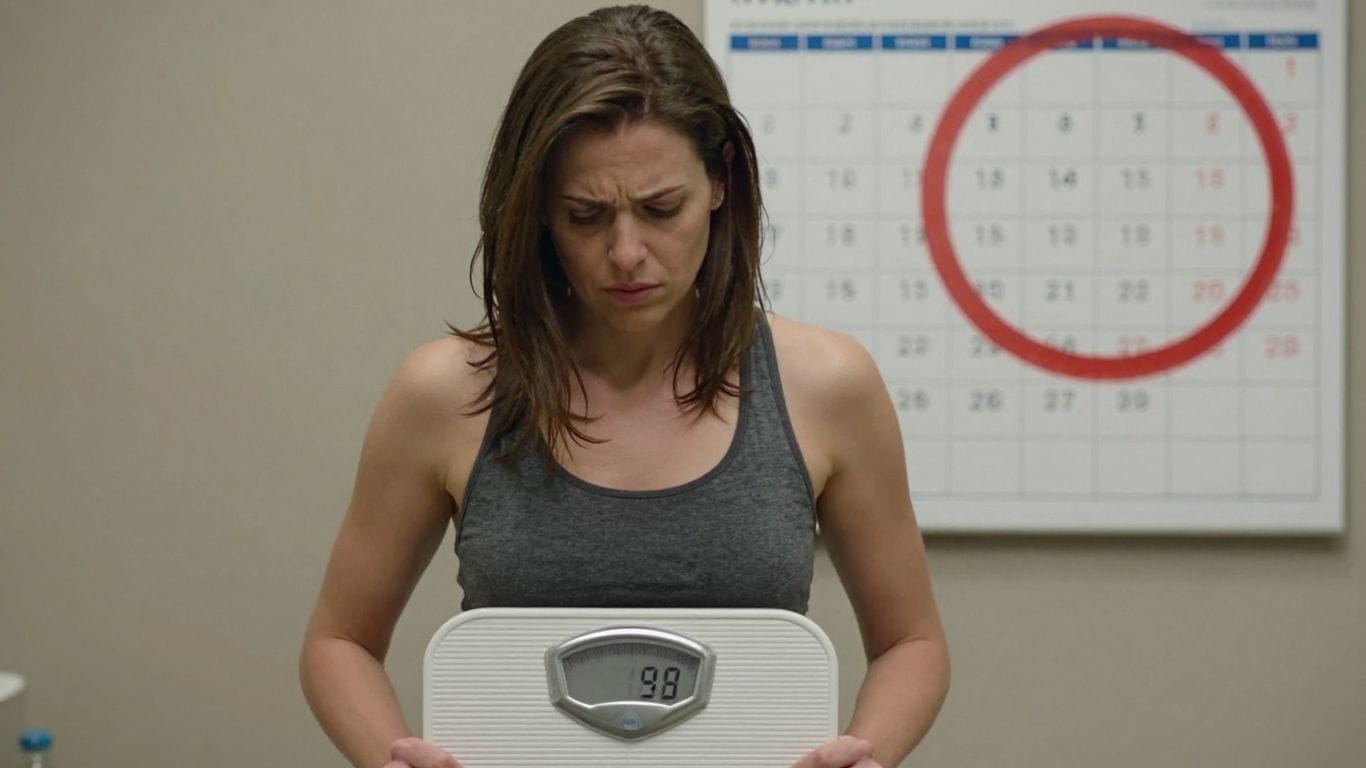
So, you've stepped on the scale and noticed a few extra pounds right before your period hits. It's a common experience, and there's actually some science behind it. It's not just your imagination or a random coincidence. Several factors tied to your menstrual cycle can contribute to these temporary weight fluctuations.
Hormonal Fluctuations and Appetite
Your hormones are like tiny conductors, orchestrating a lot of what happens in your body, and they really go into overdrive around your period. As your cycle progresses, levels of estrogen and progesterone shift. Specifically, progesterone tends to rise after ovulation and stays elevated until your period begins. This hormonal surge can actually make you feel hungrier than usual. It's like your body is signaling that it might need a bit more energy, and often, that translates into cravings for more calorie-dense foods. It's not about a lack of willpower; it's your biology at work.
Serotonin Levels and Sugar Cravings
Ever notice a strong urge for sweets right before your period? That might be linked to serotonin, often called the "feel-good" neurotransmitter. Around the time you're about to start menstruating, serotonin levels can dip. Since carbohydrates help boost serotonin production, your body might instinctively crave sugary or high-carb foods to try and lift your mood. This is a biological response, not a personal failing. It's your body's way of trying to self-soothe during hormonal changes.
Metabolic Rate Changes During the Cycle
While not as dramatic as other factors, there can be subtle shifts in your metabolic rate throughout your cycle. Some research suggests that your resting metabolic rate might slightly increase during the luteal phase (the time between ovulation and your period). This means your body might be burning a tiny bit more energy at rest. However, this increase is usually quite small and unlikely to cause significant weight gain on its own. It's more likely that the combined effects of hormonal shifts influencing appetite and cravings play a bigger role in any noticeable weight changes.
Gastrointestinal Issues and Magnesium Levels
How Hormones Affect Digestion
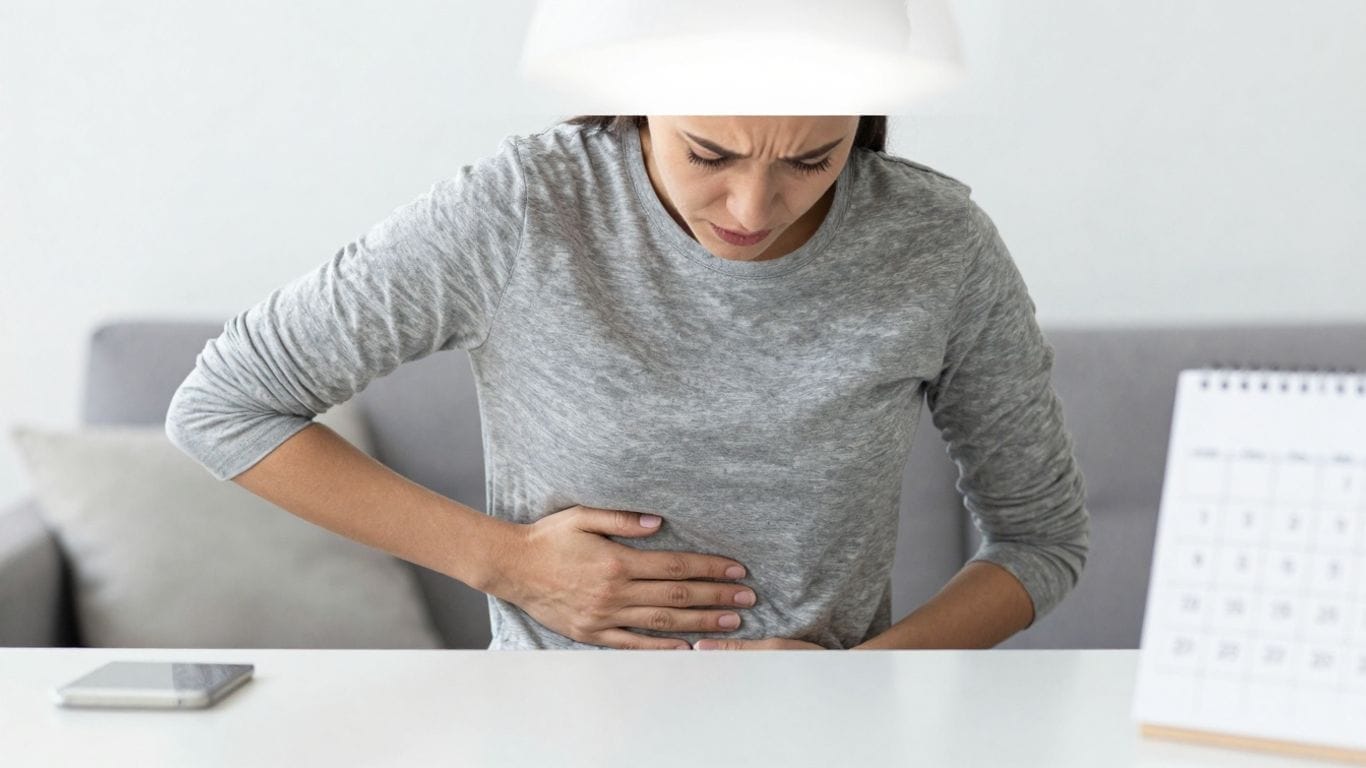
Ever feel like your stomach is staging a protest right before your period? You're not alone. Hormonal shifts, especially the rise of progesterone in the week leading up to your period, can really mess with your digestive system. Progesterone's main job here is to slow things down. It relaxes the muscles in your intestinal walls, which means food moves more slowly through your gut. This sluggishness can lead to that uncomfortable feeling of fullness, bloating, and even constipation. It's like your insides are taking a vacation when they should be working.
Constipation and Diarrhea During Your Period
So, progesterone slows things down, leading to constipation for many. But then, as your period actually starts, your body releases something called prostaglandins. These guys are responsible for making your uterus contract to shed its lining. The catch? They can also cause contractions in your intestines. This can sometimes lead to cramping and, for some, diarrhea. It's a bit of a double whammy: one hormone slows things down, and another speeds things up too much, causing discomfort and making you feel heavier.
Magnesium's Role in Hydration and Cravings
Magnesium is a mineral that does a lot for us, including helping our bodies manage fluids. When your period is on its way, your magnesium levels can actually dip. This drop can throw off your body's hydration balance. Sometimes, when you're dehydrated, your body mistakes thirst for hunger, and guess what you often crave when you're hungry? Sugar. This decrease in magnesium can contribute to both cravings and that bloated, water-retaining feeling.
Here's a quick look at how it can play out:
Hormonal Dip: Magnesium levels decrease.
Hydration Imbalance: Your body struggles to maintain proper fluid balance.
False Hunger Signals: Dehydration can make you feel hungry.
Sugar Cravings: The brain might signal a need for sugar, partly due to low magnesium and the body's attempt to self-soothe.
It's easy to feel like you've gained actual weight when you're dealing with bloating and digestive upset. The feeling of fullness and the tightness in your clothes can be very convincing, even if the scale hasn't moved much in terms of fat.
If you find yourself constantly battling these digestive woes and cravings, it might be worth looking into your magnesium intake. Sometimes, a simple supplement can make a noticeable difference in how you feel during that pre-period week.
Managing Temporary Weight Changes
So, you've noticed the scale creeping up a bit before your period, and maybe your favorite jeans feel a little snug. Totally normal! This temporary weight gain is usually down to water retention and hormonal shifts, not actual fat gain. It typically resolves itself once your period starts. But knowing that doesn't always make it easier to deal with, right? Here are a few things you can do to feel more comfortable during this time.
Staying Hydrated to Reduce Bloating
It might sound weird when you're already feeling puffy, but drinking more water is actually one of the best things you can do. When you're well-hydrated, your body is less likely to hold onto extra fluid. Think of it as helping your system flush out excess sodium, which can contribute to that bloated feeling. Aim for plenty of water throughout the day. It can also help you feel fuller, potentially curbing those intense cravings.
Limiting Sodium and Processed Foods
Salty snacks and processed meals are big culprits when it comes to water retention. Sodium makes your body want to hold onto water, leading to that heavy, bloated sensation. Try to swap out chips and pre-packaged dinners for whole foods. Loading up on fruits, vegetables, and lean proteins can help you feel satisfied without the extra salt. Fiber-rich foods are also great for keeping things moving smoothly.
Gentle Exercise for Discomfort Relief
When you're feeling tired or crampy, the last thing you might want to do is hit the gym. But some light movement can make a surprising difference. Gentle activities like walking, stretching, or yoga can help ease discomfort, reduce bloating, and even give your mood a little boost. It doesn't have to be intense; just getting your body moving a bit can help you feel better overall. Plus, it can help manage those cravings that sometimes pop up.
Here's a quick rundown of what to focus on:
Hydration: Drink water consistently throughout the day.
Diet: Reduce intake of salty, processed foods. Opt for whole, nutrient-dense options.
Movement: Engage in gentle physical activity like walking or stretching.
Remember, these weight fluctuations are a normal part of your cycle. Focusing on nourishing your body and moving gently can help you feel more comfortable and less bothered by temporary changes on the scale.
When to Seek Professional Advice
Look, most of the time, those few extra pounds that show up before your period are just a temporary blip. It's usually water weight and bloating, and it tends to disappear once your period starts or shortly after. But what if it doesn't? Or what if the changes feel way more significant than just a little puffiness?
Normal Weight Gain vs. Persistent Changes
It's super common to notice a few pounds creep up in the week or so before your period. This is often due to hormonal shifts, especially progesterone, which can make your body hold onto more water. You might also feel more bloated or notice your clothes fitting a bit snug. This kind of fluctuation is generally expected and resolves on its own.
However, if you're consistently gaining weight, and it's not going away after your period, that's a different story. We're talking about a noticeable increase that sticks around, not just the usual pre-period puffiness. It's important to pay attention to your body's signals.
Recognizing Symptoms Beyond Typical Fluctuations
Sometimes, what feels like period-related weight gain might be something else. Keep an eye out for these signs:
Sudden or rapid weight gain: Gaining several pounds in just a few days, outside of your usual cycle.
Persistent bloating: Bloating that doesn't ease up even after your period has ended.
Significant changes in appetite or cravings: Extreme hunger or unusual cravings that feel unmanageable.
Other physical symptoms: Things like severe fatigue, changes in bowel habits (beyond typical period-related constipation or diarrhea), or unusual pain.
Weight gain that doesn't align with your cycle: If you're tracking your cycle and the weight gain doesn't seem to follow the usual pattern.
It's easy to dismiss persistent changes as just 'part of being a woman' or 'hormones,' but your body is trying to tell you something. Listening to those signals and not ignoring them is key to staying healthy.
Discussing Significant Weight Gain with a Doctor
If you're experiencing any of the persistent changes mentioned above, or if you're just generally concerned about your weight, it's a good idea to chat with your doctor or a healthcare provider. They can help figure out what's really going on.
Here’s what you can do to prepare for that conversation:
Track your symptoms: Keep a log of your weight, when you notice changes, your diet, your activity levels, and any other symptoms you're experiencing. This detailed information is super helpful for your doctor.
Be specific: Instead of saying 'I'm gaining weight,' try to say 'I've gained X pounds over the last month, and it hasn't gone away, even though my period ended last week.'
Ask questions: Don't be afraid to ask about potential causes, like thyroid issues, hormonal imbalances, or other medical conditions that could be contributing to weight changes.
Your doctor can perform tests and offer personalized advice. They might suggest dietary changes, lifestyle adjustments, or even medication if needed. Remember, taking care of yourself means addressing concerns when they arise, not just waiting for them to go away on their own.
So, What's the Takeaway?
It turns out that a little bit of extra weight around your period is pretty common, and usually, it's nothing to lose sleep over. Hormones, water retention, and maybe a few extra salty snacks can all play a role. The good news is that this weight gain is typically temporary and tends to disappear once your period is over. Remember, your body goes through natural cycles, and these small shifts are part of that rhythm. If you're concerned about significant or persistent weight changes, or if you have other bothersome symptoms, it's always a good idea to chat with your doctor. But for most of us, a few extra pounds during that time of the month is just a normal part of being human.
Frequently Asked Questions
It's very common to notice a few extra pounds on the scale right before or during your period. This isn't usually fat gain, but rather temporary water retention caused by hormone changes. You might also feel heavier due to bloating. This extra weight typically disappears shortly after your period ends.
Hormones, especially progesterone, can make your body hold onto more water and salt before your period. This can lead to that puffy, bloated feeling. Sometimes, changes in digestion can also contribute to feeling full and uncomfortable.
Yes, it's quite common! Hormonal shifts can affect your appetite and make you crave certain foods, often sugary or salty ones. This might be your body's way of seeking extra energy, but it can contribute to temporary weight gain if you give in too much.
Even gentle movement can help! While you might not feel like doing an intense workout, light activities like walking or stretching can actually ease discomfort, reduce bloating, and improve your mood. It's better than skipping exercise altogether.
Most people notice a gain of about 1 to 5 pounds. This is usually due to water retention and bloating. If you're consistently gaining significantly more than this, or if the weight doesn't go away after your period, it's a good idea to chat with a doctor.
Focus on staying hydrated by drinking plenty of water, which helps flush out excess salt. Try to limit salty and processed foods, as they can make water retention worse. Gentle exercise and eating foods rich in fiber and potassium can also help ease bloating and discomfort.


Disclaimer: The information provided on this site is intended for your general knowledge only and is not a substitute for professional medical advice or treatment for specific medical conditions. You should not use this information to diagnose or treat a health problem or disease without consulting with a qualified healthcare provider. Please consult your healthcare provider with any questions or concerns you may have regarding your condition. Your use of this website indicates your agreement to this websites published terms of use and all site policies.
All trademarks, registered trademarks and service-marks mentioned on this site are the property of their respective owners. © Copyrights 2025.