


Written By - Jemily Wood, RD - Registered Dietitian & Lead Reviewer
Fiber Rich Foods for Weight Loss | Feel Full, Eat Less
Thinking about shedding some pounds? It might be simpler than you think. Turns out, loading up on certain foods can make a big difference. We're talking about fiber-rich foods for weight loss. These aren't some magic pills or complicated diets; they're just everyday foods that pack a punch when it comes to helping you feel full and satisfied. Let's explore some of the best options out there and how they can help you reach your goals.
Key Takeaways
Fiber helps you feel full longer, which can mean eating less overall.
Legumes like lentils and beans are great sources of fiber and protein, keeping you satisfied.
Whole grains such as oats and barley provide sustained energy and fiber.
Seeds and nuts, though small, offer a good fiber boost and healthy fats.
Fruits and vegetables are packed with fiber and nutrients, making them diet staples.
Understanding Fiber's Role in Weight Management
So, you're looking to shed a few pounds, and you've heard that fiber is your friend. That's totally true! Fiber is basically a carbohydrate that your body can't break down. It just passes through, and that's actually a good thing for weight loss. It's like a natural appetite suppressant, helping you feel full without adding a lot of extra calories. Think of it as a slow-release fuel that keeps hunger pangs at bay.
The Dual Action of Soluble and Insoluble Fiber
It's helpful to know there are two main types of fiber, and they do slightly different jobs. Soluble fiber, found in things like oats, beans, and apples, dissolves in water and turns into a gel. This gel slows down digestion, which is great for keeping your blood sugar steady and making you feel satisfied for longer. Insoluble fiber, on the other hand, doesn't dissolve. It adds bulk to your stool, which helps keep things moving smoothly through your digestive system. Most plant foods have a mix of both, and together they really support your gut health and keep you feeling good.
How Fiber Promotes Satiety and Reduces Calorie Intake
This is where fiber really shines for weight management. Because it takes longer to digest, fiber helps you feel fuller for a longer period after eating. This means you're less likely to reach for snacks between meals, and when you do eat, you might find yourself satisfied with a smaller portion. It's a simple mechanism: feeling full means you naturally eat fewer calories throughout the day. Imagine swapping out a low-fiber snack for a high-fiber one; you'll likely feel more satisfied and less tempted to overeat later.
Fiber's Impact on Blood Sugar and Insulin Sensitivity
Beyond just making you feel full, fiber also plays a role in how your body handles sugar. Soluble fiber, in particular, can slow down the absorption of sugar into your bloodstream. This helps prevent those sharp spikes and crashes in blood sugar that can leave you feeling tired and craving sweets. By keeping your blood sugar more stable, fiber can also improve your body's sensitivity to insulin. This is important because better insulin sensitivity means your body can use glucose more effectively, which is a win for overall metabolic health and weight management.
Powerhouse Legumes for Your Weight Loss Journey
When you're trying to shed a few pounds, it's easy to overlook the humble legume. But these little powerhouses are seriously underrated for weight management. They're packed with fiber, which is a big deal for feeling full and satisfied after eating. Plus, they offer a good dose of protein, making them a double win for keeping hunger at bay and supporting your body.
Lentils: A Versatile Fiber and Protein Source
Lentils are like the unsung heroes of the legume world. They cook up pretty quickly, which is great when you're busy. You can toss them into soups, stews, salads, or even make them into a veggie burger. They're loaded with both soluble and insoluble fiber, helping you feel full for longer. This means you're less likely to reach for unhealthy snacks between meals. They also provide a solid amount of plant-based protein, which is key for muscle health and keeping your metabolism humming.
Chickpeas: Nutrient-Dense and Filling
Chickpeas, also known as garbanzo beans, are another fantastic choice. They have a slightly nutty flavor and a satisfying texture. Whether roasted until crispy, added to curries, or blended into hummus, chickpeas are incredibly versatile. Their high fiber content helps slow down digestion, leading to sustained energy and preventing those dreaded energy crashes. This makes them a great addition to any meal when you're aiming to manage your calorie intake. They're a good source of various vitamins and minerals too, so you're not just filling up, you're fueling your body with good stuff.
Beans: Essential for Sustained Fullness
We're talking about all sorts of beans here – black beans, kidney beans, pinto beans, you name it. These are staples for a reason. They are incredibly filling, thanks to their impressive fiber and protein combination. Eating beans regularly can really help curb your appetite and reduce overall calorie consumption throughout the day. They are a fantastic way to add bulk and nutrients to meals without adding a lot of calories. Think about adding them to your tacos, chili, or even a simple side dish. They are a cornerstone of a healthy diet and a great ally in your weight loss efforts. For more information on how legumes can benefit your health, check out this resource on legumes.
Legumes are a nutritional powerhouse, offering a fantastic blend of fiber and protein that aids significantly in weight management by promoting satiety and reducing overall calorie intake. Their inclusion in your diet can lead to more stable energy levels and better digestive health.
Whole Grains: Foundation for a Fiber-Rich Diet
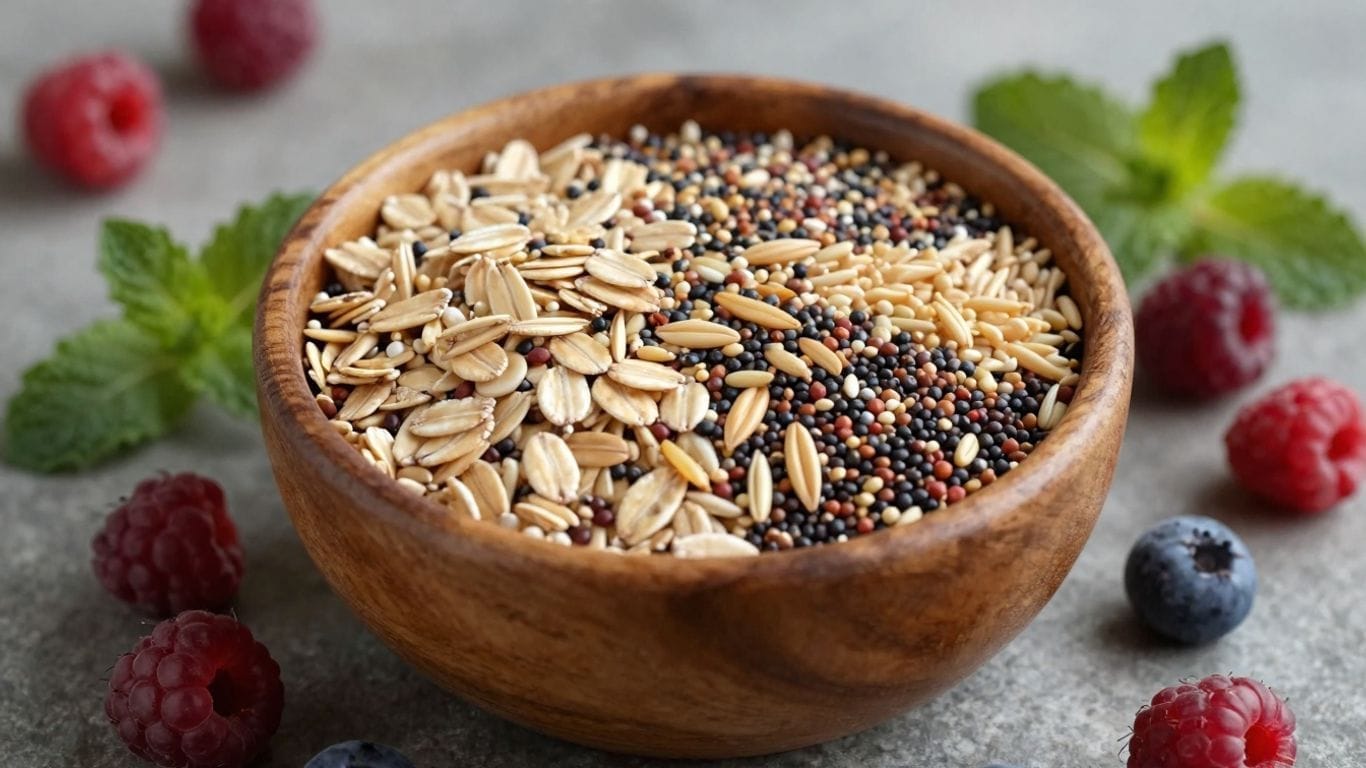
When you're trying to manage your weight, focusing on whole grains is a smart move. These aren't just filler; they're packed with fiber that helps you feel full and satisfied. Think of them as the sturdy base for your healthy eating plan. Swapping out refined grains, like white bread or white rice, for their whole-grain counterparts is a simple change that makes a big difference. You'll get more nutrients and, importantly, more fiber.
Oats: The Breakfast Staple for Satiety
Oatmeal is a classic for a reason. It's incredibly filling, thanks to its high soluble fiber content. This type of fiber forms a gel in your stomach, slowing down digestion. That means you stay feeling full for longer, which can help curb those mid-morning snack cravings. Plus, oats are super versatile. You can jazz them up with berries, nuts, or seeds for an even bigger fiber and nutrient boost.
Barley: A Hearty Grain for Digestive Health
Barley might not be as common as oats, but it's a real powerhouse when it comes to fiber, especially insoluble fiber. This type of fiber adds bulk to your stool and helps keep things moving smoothly through your digestive system. It's great in soups, stews, or even as a side dish instead of rice. A cup of cooked barley has about 6 grams of fiber, which is a pretty good chunk of your daily needs.
Quinoa: A Complete Protein and Fiber Source
Quinoa has gotten a lot of attention, and for good reason. It's one of the few plant-based foods that's a complete protein, meaning it has all the essential amino acids your body needs. On top of that, it's loaded with fiber. It's a fantastic grain to use as a base for salads, bowls, or as a side. Its slightly nutty flavor is really pleasant, and it cooks up pretty quickly, making it a convenient option for busy weeknights.
Making whole grains a regular part of your meals is a straightforward way to increase your fiber intake. They provide sustained energy and help you feel satisfied, which is key for managing appetite and reducing overall calorie consumption throughout the day. Don't forget to drink plenty of water when you increase your fiber, as it helps everything work properly.
Seeds and Nuts: Small but Mighty Fiber Boosters
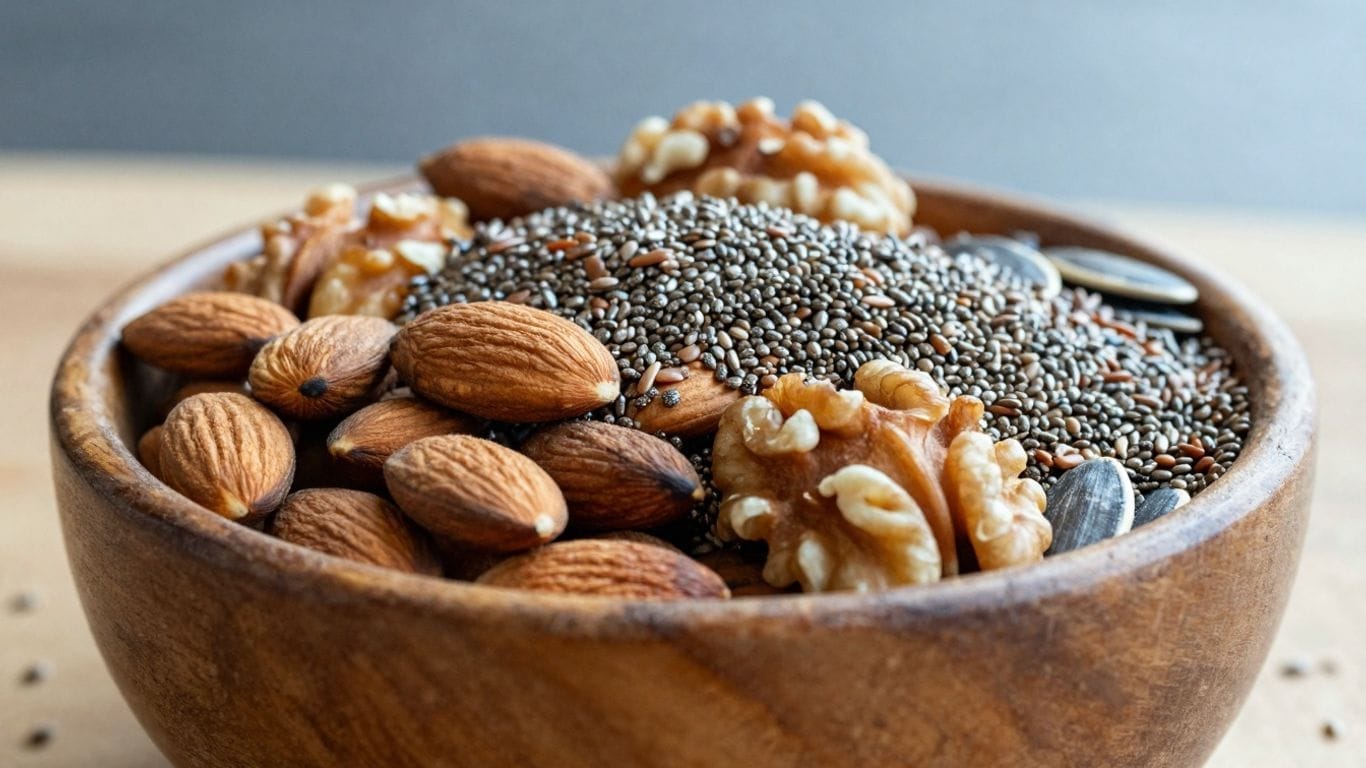
When you're trying to manage your weight, it's easy to overlook the little things, but seeds and nuts are seriously packed with goodness. They might be small, but they pack a serious punch when it comes to fiber, which is a big help in feeling full and satisfied. Plus, they come with healthy fats and protein, making them a great addition to any meal or snack.
Chia Seeds: Tiny Seeds, Big Fiber Impact
Don't let their size fool you. Just a couple of tablespoons of chia seeds can add a significant amount of fiber to your day. They're also a good source of omega-3 fatty acids and protein. What's cool about chia seeds is how they absorb liquid, forming a gel. This gel-like consistency can help you feel fuller for longer. You can toss them into yogurt, sprinkle them on oatmeal, or blend them into smoothies. They don't really have a strong flavor, so they blend in easily.
Flaxseeds: Omega-3s and Fiber Combined
Similar to chia seeds, flaxseeds are another tiny powerhouse. They're loaded with both soluble and insoluble fiber, and they're one of the best plant-based sources of omega-3 fatty acids. To get the most out of them, it's best to eat them ground, as whole seeds can pass through your system undigested. Ground flaxseeds can be stirred into your morning cereal, baked into muffins, or added to pancake batter. They have a slightly nutty flavor that many people enjoy.
Almonds and Walnuts: Satisfying Snacks with Fiber
Almonds and walnuts are probably the most common nuts people reach for, and for good reason. They offer a good amount of fiber, along with healthy fats and protein. Snacking on a handful of these can really help curb hunger between meals. They're great on their own, but also work well chopped up and added to salads or yogurt. Just be mindful of portion sizes, as they are calorie-dense, but a small serving goes a long way in keeping you satisfied.
Here's a quick look at the fiber content in a typical serving:
Seed/Nut Type
Chia Seeds - 2 Tablespoons (Serving Size) - 10 Fiber (grams)
Flaxseeds (ground) - 2 Tablespoons (Serving Size) - 4 Fiber (grams)
Almonds - 1 ounce (approx. 23 nuts) (Serving Size) - 3.5 Fiber (grams)
Walnuts - 1 ounce (approx. 14 halves) (Serving Size) - 2 Fiber (grams)
Remember that nuts and seeds are calorie-dense. While they are incredibly healthy and filling, it's wise to stick to recommended serving sizes to get the benefits without overdoing the calories. A small handful is usually plenty.
Fruits and Vegetables: Nature's Fiber-Rich Essentials
When you're thinking about boosting your fiber intake, fruits and vegetables are probably the first things that come to mind, and for good reason. They're packed with the stuff and offer a whole lot of other good things too, like vitamins, minerals, and antioxidants. Plus, they're generally lower in calories, which is a win-win for weight management.
Berries: Antioxidant Powerhouses Packed with Fiber
Berries are like little gems of nutrition. They're relatively low in sugar compared to some other fruits, but they pack a serious fiber punch. Think raspberries, blueberries, strawberries, and blackberries. Raspberries, in particular, are often highlighted for their high fiber content. They're great for snacking on their own, tossing into yogurt or oatmeal, or blending into smoothies. And the antioxidants? They're a nice bonus for overall health.
Apples and Pears: Sweet Choices for Fiber Intake
Don't underestimate the humble apple or pear. Eating a whole apple or pear, skin and all, is a fantastic way to get a good dose of fiber. The skin contains a lot of the insoluble fiber, which helps keep things moving smoothly through your digestive system. Soluble fiber is also present, which can help you feel fuller for longer. They make for a convenient and satisfying snack, and they're easy to add to salads or bake into desserts (though maybe go easy on the sugar there).
Leafy Greens and Cruciferous Vegetables
This category is huge and super important. We're talking about everything from spinach and kale to broccoli, cauliflower, and Brussels sprouts. These veggies are loaded with fiber and nutrients but are very low in calories. They can be steamed, roasted, sautéed, or eaten raw in salads. Trying to get more fiber? Load up your plate with these. They're incredibly versatile and can be incorporated into almost any meal. A big salad for lunch or a side of roasted broccoli with dinner can make a big difference in your daily fiber count.
Strategic Integration of Fiber-Rich Foods
So, you've got a list of awesome fiber-filled foods ready to go. That's great! But how do you actually get them onto your plate without feeling overwhelmed or, you know, dealing with some uncomfortable digestive moments? It's all about smart planning and making small, consistent changes. Think of it less like a diet overhaul and more like a gentle upgrade to your eating habits.
Gradually Increase Fiber Intake to Avoid Discomfort
This is probably the most important tip. Jumping from a low-fiber diet to a high-fiber one overnight can lead to gas, bloating, and general tummy trouble. Your digestive system needs time to adjust. Start by adding just one or two high-fiber foods to your meals each day. For example, swap your usual white toast for whole-wheat toast, or add a handful of berries to your morning cereal. Over a week or two, you can slowly add more. Your gut will thank you for it.
Pair Fiber with Protein and Healthy Fats
Fiber works best when it's not alone. Combining fiber-rich foods with protein and healthy fats can make your meals even more satisfying and help stabilize blood sugar levels. This combo slows down digestion, keeping you feeling full for longer. So, instead of just having an apple, try pairing it with a small handful of almonds. Or, add some grilled chicken or a sprinkle of seeds to your big salad. It makes a difference in how long you feel satisfied.
Stay Hydrated for Optimal Fiber Function
This one's a biggie. Fiber, especially soluble fiber, absorbs water. If you're not drinking enough water, that fiber can actually slow things down too much in your digestive tract, leading to constipation. Aim to drink plenty of water throughout the day. A good rule of thumb is to have a glass of water with each meal and snack, and keep a water bottle handy.
Here’s a quick look at how hydration helps:
Soluble Fiber: Forms a gel, which needs water to move smoothly.
Insoluble Fiber: Adds bulk, and water helps this bulk pass through easily.
Overall Digestion: Adequate water intake supports the entire digestive process, making fiber more effective.
Making these small adjustments can really help you get the most out of all those wonderful fiber-rich foods you're adding to your diet. It's about making it work for you, not against you.
Wrapping It Up
So, there you have it. Adding more fiber-rich foods to your plate isn't just about shedding a few pounds; it's about feeling better overall. These foods help you stay full, keep your digestion running smoothly, and can even help manage your blood sugar. Start small, maybe by adding some berries to your breakfast or swapping white bread for whole wheat. Your body will thank you, and you'll be well on your way to hitting those weight loss goals in a way that feels good and lasts.
Frequently Asked Questions
Fiber helps you feel full for a longer time, which means you'll likely eat less food and fewer calories. It also helps your body manage sugar levels better, which can prevent energy crashes that might lead you to crave unhealthy snacks. Plus, it keeps your digestive system running smoothly!
Think of soluble fiber like a sponge – it soaks up water and turns into a gel. This helps slow down digestion and makes you feel full. Insoluble fiber is like a broom; it adds bulk to your food and helps things move through your system easily. Both are important for your body!
Most adults should aim for around 25-30 grams of fiber per day. It can be a bit tricky to get that much, but focusing on whole foods like fruits, veggies, beans, and whole grains makes it easier. Your exact needs might change based on your age and gender.
Yes, if you suddenly start eating a lot more fiber than usual, you might experience gas or bloating. It's best to increase your fiber intake slowly over a few weeks. This gives your body time to get used to it.
You can easily boost your fiber by adding things like berries or chia seeds to your oatmeal, tossing chickpeas into salads, or swapping white bread for whole-wheat options. Even small changes can make a big difference!
Fiber needs water to do its job properly! Drinking enough water helps the fiber move through your digestive system smoothly and prevents discomfort. Aim for at least eight glasses of water a day when you're increasing your fiber intake.



Disclaimer: The information provided on this site is intended for your general knowledge only and is not a substitute for professional medical advice or treatment for specific medical conditions. You should not use this information to diagnose or treat a health problem or disease without consulting with a qualified healthcare provider. Please consult your healthcare provider with any questions or concerns you may have regarding your condition. Your use of this website indicates your agreement to this websites published terms of use and all site policies.
All trademarks, registered trademarks and service-marks mentioned on this site are the property of their respective owners. © Copyrights 2025.