


Written By - Jemily Wood, RD - Registered Dietitian & Lead Reviewer
How to Get Rid of Face Fat and Achieve a Slimmer Profile?
Sometimes, no matter how much weight you lose, your face just stays round. It’s like that one stubborn spot that won't budge. You want a more defined look, but the fullness in your cheeks or jawline sticks around. It can be pretty frustrating, right? The good news is, you have options. We're going to look at different ways to tackle face fat, from simple lifestyle tweaks to more involved procedures, to help you get that slimmer profile you're after.
Key Takeaways
Genetics, aging, and lifestyle choices all play a part in how much fat is stored in your face.
Making healthy diet and exercise choices can help reduce overall body fat, which may also affect your face.
Staying hydrated and managing water retention can make a difference in facial puffiness.
Non-surgical options like Kybella or fillers can help contour the face and reduce specific fat pockets.
Surgical procedures like buccal fat removal or facelifts offer more permanent solutions for facial fat and skin laxity.
Understanding the Factors Contributing to Facial Fullness
So, you're looking to slim down your face, huh? It's a common goal, and honestly, it's not always as simple as just losing weight overall. Our faces have their own little quirks when it comes to storing fat. Let's break down what's really going on.
The Role of Genetics and Lifestyle in Fat Accumulation
First off, genetics. Yeah, I know, not the most exciting answer, but it's true. Your genes play a big part in where your body decides to store extra fat, and for some people, that means more of it settles in the cheeks, jawline, or under the chin. It's just how you're built. But it's not all set in stone. Your lifestyle habits really matter too. Eating a lot of processed foods and sugary drinks, for example, can lead to weight gain that shows up on your face. Plus, if you're not moving much, your body might not be burning calories as efficiently, which can also contribute to that fuller facial look.
How Aging and Water Retention Affect Facial Appearance
As we get older, things change. Our skin naturally loses some of its elasticity, which can make it sag a bit. This can make areas that used to be firm look a little softer or fuller. Also, water retention is a sneaky culprit. Things like eating too much salt, not drinking enough water, or even hormonal changes can cause your body to hold onto extra fluid. When this happens, your face can look puffy, especially in the morning. It's usually temporary, but it definitely adds to that feeling of facial fullness.
Bone Structure and Muscle Mass Influence
Beyond fat and skin, your actual bone structure plays a role. The shape of your jawline, your cheekbones, and even your chin can influence how defined your face looks. Some people naturally have more prominent features that create a more angular appearance, while others have softer contours. And then there are the muscles. For instance, the muscles used for chewing, called masseter muscles, can become more developed if you clench your jaw a lot or chew a lot of tough foods. If these muscles get bigger, they can make the lower part of your face look wider.
It's important to remember that a "fuller" face isn't necessarily unhealthy. It's often just a natural variation in how people store fat and their underlying bone structure. Understanding these factors is the first step to figuring out what strategies might work best for you.
Lifestyle Adjustments for a Slimmer Face
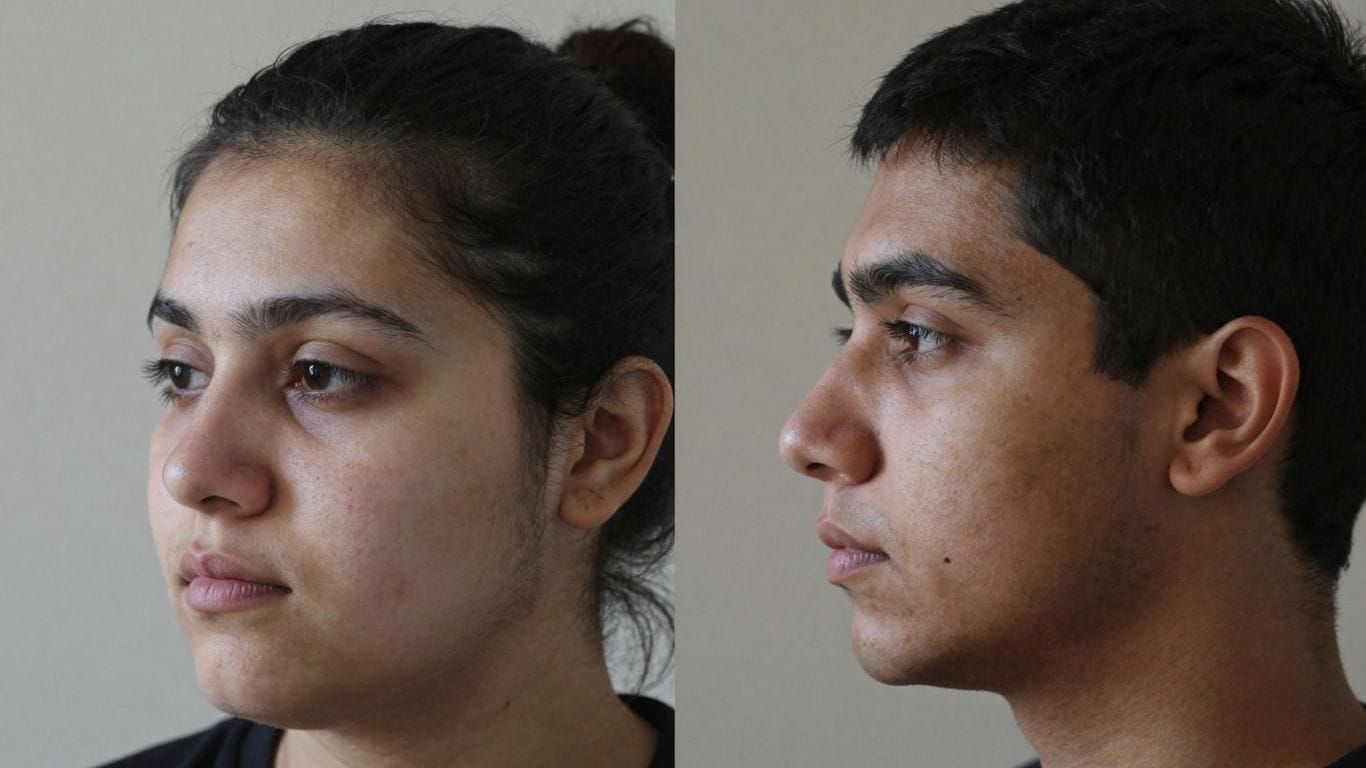
Okay, so you're looking to slim down your face, and while genetics and other factors play a part, there are definitely things you can do with your daily habits. It’s not just about quick fixes; it’s about making changes that stick. Think of it as a whole-body approach, because what you do for your body often shows up on your face too.
Adopting a Nutrient-Dense Diet
This is a big one. Eating well isn't just for your waistline; it impacts your whole system, including how your face looks. Focusing on foods packed with nutrients means you're getting the good stuff your body needs without a lot of extra calories or processed junk that can lead to puffiness and fat storage. It’s about choosing whole foods that keep you feeling full and satisfied.
Here’s a quick rundown of what to aim for:
Lean Proteins: Think chicken, fish, beans, and tofu. Protein helps you feel full and supports muscle, which is good for metabolism.
Plenty of Fruits and Vegetables: These are loaded with vitamins, minerals, and fiber. Fiber is your friend for keeping things moving and feeling satisfied longer.
Healthy Fats: Avocados, nuts, seeds, and olive oil are great. They’re important for your body and can help with satiety.
Whole Grains: Opt for things like oats, quinoa, and brown rice over refined grains. They provide sustained energy and fiber.
A diet rich in fiber and protein can really make a difference in managing weight and reducing overall body fat, which often includes facial fat.
The Importance of Hydration and Reducing Water Retention
Seriously, drink more water. It sounds simple, but it’s incredibly effective. When you’re dehydrated, your body tends to hold onto water, which can make your face look puffy and less defined. Staying hydrated helps your body function properly and can actually reduce that bloated feeling.
Beyond just drinking water, watch your sodium intake. High-sodium foods, like many processed snacks and restaurant meals, can cause your body to retain fluid. Cutting back on salt can lead to a noticeable difference in facial puffiness.
Sometimes, the simplest changes have the biggest impact. Making sure you're well-hydrated and mindful of your salt intake can help your face look less puffy and more sculpted.
Incorporating Regular Cardiovascular and Strength Training
Exercise is key, and a mix of cardio and strength training is ideal. Cardiovascular exercise, like running, swimming, or cycling, burns calories and helps with overall fat loss. When you lose body fat, you’ll likely see it in your face too.
Strength training is also important. Building muscle increases your metabolism, meaning you burn more calories even when you're resting. While you can't spot-reduce fat from your face specifically, losing overall body fat through consistent exercise will contribute to a slimmer facial profile. Aim for a routine that you can stick with, making it a regular part of your life rather than a short-term fix.
Targeted Treatments for Facial Fat Reduction
Sometimes, no matter how much you diet or exercise, certain areas of your face just hold onto fullness. It can be pretty frustrating when you’re aiming for a more chiseled look. Luckily, there are specific treatments designed to tackle these stubborn pockets of fat and help you achieve a slimmer profile.
Buccal Fat Pad Removal for Cheek Sculpting
Ever notice how some people have naturally hollowed cheeks that give them a really sculpted appearance? That’s often thanks to their buccal fat pads. These are small, distinct pads of fat located deep within your cheeks. They’re genetic, meaning they don’t really shrink with weight loss. If you feel like your cheeks are too full, making your face look rounder than you’d like, buccal fat pad removal might be an option. The procedure involves a small incision made inside your mouth, so there are no visible scars on the outside. A surgeon carefully removes a portion of the buccal fat pad, which permanently reduces cheek fullness and can create a more defined contour along your jawline and cheekbones. It’s a pretty straightforward way to get rid of that persistent mid-face puffiness.
Kybella Injections for Double Chin Reduction
That little bit of extra fat under your chin, often called a double chin, can really change the profile of your face. It can make your jawline look less defined and add years to your appearance. Kybella is an injectable treatment that’s specifically designed to target and destroy fat cells in this area. The active ingredient is deoxycholic acid, a substance that naturally occurs in your body and helps break down dietary fat. When injected into the submental fat (the fat under your chin), Kybella essentially dissolves the fat cells. Your body then naturally clears them away over time. You’ll typically need a series of treatments, and while there might be some swelling and tenderness afterward, it’s a much less invasive option than surgery for reducing a double chin.
Facial Liposuction for Jawline and Neck Definition
For areas like the jawline and neck, where fat can accumulate and create a less defined look, facial liposuction is a popular choice. This procedure uses a very thin tube, called a cannula, to gently suction out excess fat. It’s particularly effective for sculpting the jawline and improving the transition between the chin, jaw, and neck. Unlike general body liposuction, facial liposuction requires a delicate touch and precision to ensure smooth, natural-looking results. It can really help to sharpen your profile and give you that clean, defined look you’re after. It’s a great way to address localized fat deposits that don’t respond well to other methods. You can explore non-surgical alternatives for buccal fat removal if you're looking for less invasive options.
Non-Surgical Options for Facial Contouring
Sometimes, you just want to refine your face without going under the knife. Luckily, there are some pretty neat non-surgical ways to get a more sculpted look. These options are great if you're not ready for surgery or if your concerns are more about definition and skin tone than major fat removal.
Dermal Fillers to Enhance Facial Features
Think of dermal fillers as a way to add structure and shape where nature might have been a bit shy. They don't actually get rid of fat, but by adding volume in specific spots, they can create a more balanced and defined appearance. For instance, injecting fillers along the jawline can create a sharper angle, making the lower part of your face look slimmer and more chiseled. It’s like giving your face a little architectural support.
Jawline Definition: Fillers can build up the jawline, creating a stronger, more angular look.
Cheekbone Enhancement: Adding volume to the cheekbones can lift the mid-face, which can make the lower face appear more slender.
Chin Augmentation: A well-placed chin filler can improve the overall facial balance and create a more harmonious profile.
Radiofrequency Microneedling for Skin Tightening and Fat Reduction
This is a bit of a multitasker. Radiofrequency (RF) microneedling uses tiny needles to create micro-injuries in the skin, and then it delivers radiofrequency energy deep into those channels. This process does two main things: it kicks your collagen production into high gear, which tightens the skin, and the heat from the RF energy can also help to gently break down small pockets of fat. It’s particularly useful for areas like the jowls or under the chin where skin might be starting to lose its firmness and a little extra fat is hanging around.
RF microneedling is a good option for mild to moderate skin laxity and small fat deposits. It requires a series of treatments for best results, and you'll see improvements gradually over several months as collagen rebuilds and skin tightens.
Botox for Jawline Slimming
This might sound a little counterintuitive, but Botox can actually help slim down a wider-looking jawline. It works by relaxing the masseter muscles, which are the large muscles at the back of your jaw that control chewing. If these muscles are overdeveloped, perhaps from teeth grinding or just genetics, they can make the lower face appear square or broad. By injecting Botox into these muscles, they become less active and gradually shrink in size, leading to a softer, more V-shaped jawline. It’s a popular choice for people who feel their jaw is too prominent.
Targeted Muscle Relaxation: Botox specifically targets the masseter muscles.
Gradual Slimming Effect: Results appear over a few weeks as the muscles reduce in size.
Reduces Teeth Grinding: Can also help alleviate symptoms of bruxism (teeth grinding).
Minimal Downtime: The procedure is quick and usually involves no recovery time.
Surgical Procedures for Permanent Results
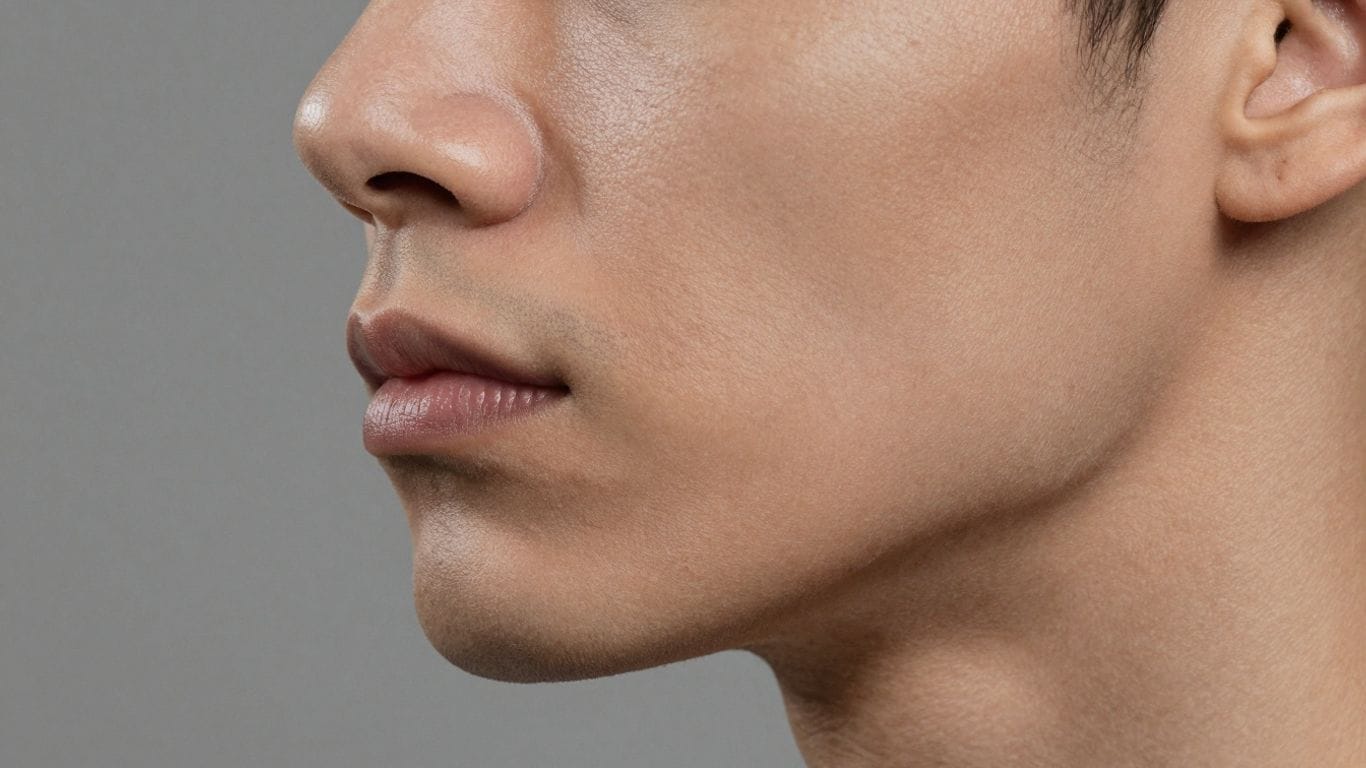
Sometimes, lifestyle changes and less invasive treatments just don't cut it for stubborn facial fullness. For those seeking a more dramatic and lasting change, surgical options offer the most definitive path. These procedures are designed to permanently alter facial contours by removing excess fat or tightening sagging skin.
The Benefits of Facelifts for Sagging Skin and Fat
A traditional facelift is a more involved procedure, but it can yield significant improvements for those dealing with both loose skin and accumulated fat in the lower face. It's not just about looking younger; it's about restoring a more defined and balanced facial structure. The surgery lifts and repositions tissues, and can also involve removing or redistributing fat deposits that contribute to a heavy or undefined jawline and neck. The goal is a sculpted, natural look, not an overly tight or artificial appearance.
Mini Facelifts for Subtle Contouring
If your concerns are less severe, a mini facelift might be a better fit. This approach uses smaller incisions and generally involves less downtime than a full facelift. It's ideal for individuals who need a lift in specific areas, like the jowls or jawline, to achieve a more contoured and refined profile. It offers a noticeable improvement without the extensive recovery of a more comprehensive procedure.
Combining Procedures for Optimal Outcomes
Often, the best results come from a combination of treatments. For instance, someone might opt for buccal fat removal to slim the cheeks and then combine it with liposuction of the neck and jawline for overall definition. This tailored approach allows for a more complete transformation, addressing multiple areas of concern simultaneously. It's about creating harmony and balance across the entire face. A skilled surgeon can help you understand which procedures, when combined, will best meet your goals. For example, buccal fat reduction can be a great starting point for cheek sculpting.
When considering surgical options, it's vital to choose a board-certified plastic surgeon. They have the training and experience to assess your unique anatomy and recommend the safest, most effective procedures for your desired outcome. Avoid anyone offering quick fixes or operating outside of accredited facilities.
Here's a quick look at what surgical procedures can address:
Fat Removal: Directly targets and removes stubborn fat pockets (e.g., buccal fat pads, submental fat).
Skin Tightening: Addresses sagging skin that can contribute to a fuller facial appearance.
Contour Definition: Reshapes and defines the jawline and neck for a sharper profile.
Long-Term Results: Offers more permanent changes compared to non-surgical methods.
Maintaining Your Refined Facial Profile
So, you've put in the work, maybe tried some treatments, and now your face looks more sculpted and defined. That's awesome! But here's the thing: keeping that look isn't a one-and-done deal. It's more like tending a garden; you've got to keep at it to see the best results. Think of it as a lifestyle, not just a quick fix.
Consistent Healthy Habits for Long-Term Results
This is really the bedrock of keeping your face looking its best. If you've managed to slim down your face through diet and exercise, keep that going. It sounds obvious, but it's easy to slip back into old habits once you've hit your goal. A balanced diet, rich in whole foods and low in processed stuff, helps manage overall body fat, which definitely shows on your face. Regular physical activity not only burns calories but also improves circulation, giving your skin a healthier glow.
Eat well: Focus on fruits, vegetables, lean proteins, and healthy fats.
Move often: Aim for a mix of cardio and strength training most days of the week.
Manage stress: High stress levels can lead to hormonal changes that affect fat storage and skin quality.
Get enough sleep: Your body repairs itself during sleep, and this includes your skin.
The Importance of Sun Protection and Skincare
Your skin's health plays a huge role in how defined your facial features appear. Sun damage is a major culprit when it comes to premature aging, leading to sagging skin and a less crisp jawline. So, slathering on that sunscreen daily, even when it's cloudy, is non-negotiable. Beyond sun protection, a solid skincare routine is key. This means cleansing properly, moisturizing to keep your skin supple, and maybe using products with ingredients that support collagen production.
Think of it as maintaining the canvas after you've painted the masterpiece.
Protecting your skin from the sun's harmful UV rays is one of the simplest yet most effective ways to preserve your facial contours and prevent premature aging. Make it a daily habit, regardless of the weather.
Choosing the Right Provider for Facial Treatments
If you've opted for any professional treatments, whether it was Kybella injections or something else, remember that follow-up care and choosing the right professionals are important. For any touch-ups or if you're considering new procedures, always go with qualified and experienced practitioners. They can assess if your results are holding up well and recommend if any minor adjustments are needed. It's about making sure you're in good hands for the long haul.
Wrapping It Up
So, getting rid of stubborn face fat isn't always a walk in the park. We've talked about making healthier choices with food and exercise, which are always good starting points. But sometimes, those persistent pockets of fat or loose skin need a little extra help. Whether you're considering injectables like Kybella, or maybe something more involved like buccal fat removal or even a facelift, there are options out there. The key is to find what works for you and to always, always go with a qualified professional. Your face is important, so make sure you're in good hands when you decide to make a change. Here's to feeling more confident with your profile!
Frequently Asked Questions
Eating well and exercising regularly helps your whole body lose fat, including your face. But sometimes, even with a healthy lifestyle, some fat in your face just doesn't go away easily because of your genes. For those stubborn spots, other methods might be needed.
Non-surgical methods, like injections or energy treatments, are less intense and usually require less recovery time. They can offer noticeable results, but they might not be as dramatic or permanent as surgery. Surgical options, like removing fat pads or liposuction, offer more significant and lasting changes but involve more recovery.
If you've tried lifestyle changes and non-surgical options without getting the results you want, or if you have a lot of extra fat or loose skin, surgery might be a good choice. A doctor can look at your face and tell you what would work best for you.
When done by a skilled professional, these treatments aim for natural-looking results. The goal is to enhance your features, not change them completely. It's important to choose a qualified doctor who understands balance and proportion to avoid looking 'done'.
Results from lifestyle changes depend on you keeping up those habits. For procedures like Kybella or buccal fat removal, the fat cells that are removed are gone for good. However, if you gain a lot of weight later, the remaining fat cells can still get bigger.
No, safety is super important! Always go to a board-certified doctor, like a plastic surgeon or dermatologist, who has lots of experience with these specific treatments. Avoid places that seem unprofessional or offer deals that sound too good to be true.



Disclaimer: The information provided on this site is intended for your general knowledge only and is not a substitute for professional medical advice or treatment for specific medical conditions. You should not use this information to diagnose or treat a health problem or disease without consulting with a qualified healthcare provider. Please consult your healthcare provider with any questions or concerns you may have regarding your condition. Your use of this website indicates your agreement to this websites published terms of use and all site policies.
All trademarks, registered trademarks and service-marks mentioned on this site are the property of their respective owners. © Copyrights 2025.