


Written By - Jemily Wood, RD - Registered Dietitian & Lead Reviewer
Discover Low Calorie Food That Fills You Up Without the Guilt
Feeling hungry all the time but trying to watch what you eat? It's a common struggle. We often think that eating less means feeling deprived, but that's not always the case. There are plenty of foods out there that are low in calories but surprisingly filling. This means you can enjoy your meals and snacks without that constant feeling of emptiness. Let's explore some of these fantastic low calorie food that fills you up, making your eating journey much more enjoyable and sustainable.
Key Takeaways
Load up on vegetables like cucumbers, bell peppers, and leafy greens. They're low in calories and high in fiber and water, which helps you feel full.
Incorporate lean protein sources such as eggs, Greek yogurt, and legumes (beans, lentils, chickpeas). Protein takes longer to digest, keeping you satisfied for hours.
Smart snacking is key. Air-popped popcorn, a small handful of nuts, or cottage cheese can curb cravings without a calorie overload.
Don't forget whole grains and fiber-rich foods like chia seeds. They add bulk to your meals and promote a feeling of fullness.
Fruits like grapefruit and watermelon offer hydration and natural sweetness with fewer calories, making them great for satisfying a sweet tooth.
Embrace the Power of Vegetables
When you're trying to eat less without feeling deprived, vegetables are your best friends. They're naturally low in calories but packed with fiber and water, which makes them super filling. Seriously, you can eat a big plate of veggies and feel satisfied without a ton of calories. Plus, they come in so many different textures and flavors, so you don't have to get bored.
Crisp and Crunchy Veggie Delights
Think about those satisfying crunches! Carrots, celery, bell peppers, and cucumbers are great examples. They're not just good for a quick snack; they add a fantastic texture to salads and meals. Keeping a stash of pre-cut veggies in the fridge is a game-changer for those moments when hunger strikes unexpectedly. They're so easy to grab and munch on.
Hydration Heroes: Water-Rich Produce
Some vegetables are like little sponges, holding a lot of water. This water content adds volume to your food without adding calories, which helps you feel full. Cucumbers are a prime example, but things like celery and even lettuce contribute too. Eating these can actually help you stay hydrated, which is another bonus when you're trying to manage your intake.
Versatile Zucchini and Cauliflower
These two are like the chameleons of the vegetable world. Zucchini can be spiralized into noodles, making a fantastic low-calorie substitute for pasta. Cauliflower is just as adaptable; you can make 'rice' out of it, use it as a base for pizza crusts, or roast it until it's tender and slightly sweet. They absorb flavors really well, so you can make them taste like whatever you want, keeping meals interesting and filling.
Lean Protein Sources for Lasting Fullness
When you're trying to eat less without feeling deprived, protein is your best friend. It's the nutrient that really helps you feel satisfied after a meal, meaning you're less likely to reach for snacks an hour later. Plus, your body uses protein to build and repair all sorts of things, so it's pretty important.
Egg-cellent Protein Powerhouses
Eggs are a classic for a reason. They're packed with high-quality protein and are super versatile. A couple of hard-boiled eggs make a fantastic grab-and-go snack that keeps hunger at bay. They're also pretty easy to prepare, which is a bonus when you're busy. You can even make a quick egg salad using Greek yogurt instead of mayo for an extra protein punch.
Protein-Packed Greek Yogurt
Greek yogurt is another superstar in the protein department. It's thicker and creamier than regular yogurt because more of the watery whey is strained out. This process concentrates the protein, making it a really filling choice. Plain, non-fat Greek yogurt is your best bet to avoid added sugars. Mix in some berries or a few nuts for a simple breakfast or snack that will keep you going. It's also great in smoothies or even as a base for dips and sauces.
Marvelous Legumes: Beans, Lentils, and Chickpeas
Don't underestimate the power of beans, lentils, and chickpeas! These plant-based wonders are loaded with both protein and fiber, a winning combination for staying full. Hummus, made from chickpeas, is a great dip for veggies or a spread on whole-grain crackers. Lentil soup is hearty and warming, and a simple can of beans can be added to salads or chili for a substantial boost. They're also really budget-friendly, which is always a plus.
Edamame: A Nutritious Plant-Based Option
Steamed edamame, or young soybeans, are a fantastic snack, especially if you're looking for a plant-based protein source. They offer a good amount of protein and fiber, and they're fun to eat right out of the pod. A cup of edamame provides a solid amount of protein and carbs, with a good chunk of those carbs coming from filling fiber. It's a simple, healthy choice that fits well into many diets. You can find frozen edamame in most grocery stores, making it easy to keep on hand.
Satisfying Snacks That Won't Weigh You Down
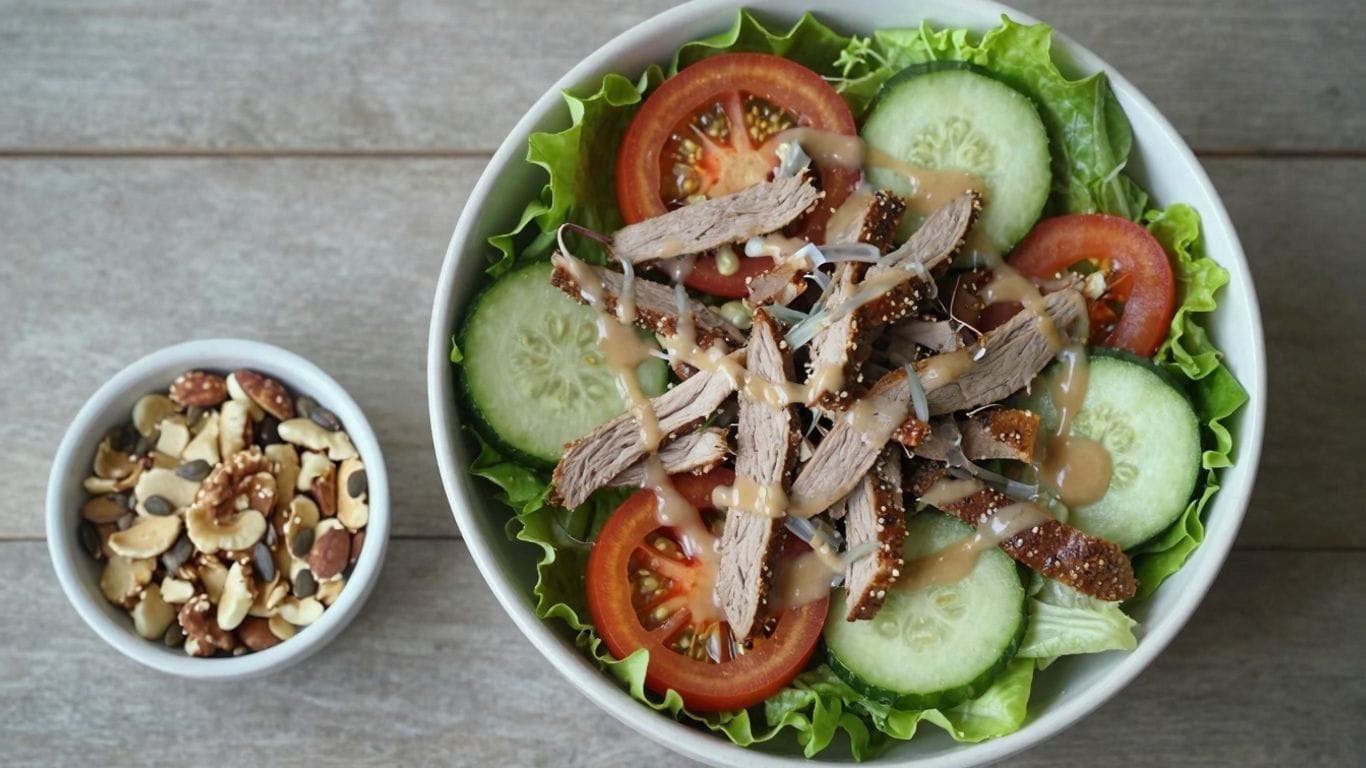
Snacking sometimes gets a bad rap, right? We often think of chips or candy bars, but honestly, there are so many great options out there that can actually help you feel full and give you energy without all the extra calories. It’s all about picking the right stuff.
Air-Popped Popcorn: A Fiber-Rich Choice
Forget the movie theater butter-bath. Plain, air-popped popcorn is a fantastic snack. It's mostly air and fiber, which means you can eat a pretty big bowl for not many calories. A generous 3-cup serving can be under 100 calories! It’s surprisingly filling. You can jazz it up a bit with a tiny drizzle of olive oil, a sprinkle of Parmesan cheese, or some nutritional yeast for a cheesy flavor. It’s a simple way to get some fiber in your day.
Nutty Delights for Guilt-Free Snacking
Nuts are little powerhouses. They're packed with protein, healthy fats, vitamins, and more fiber. They take a while to digest, which is why they keep you feeling satisfied for longer. Just be mindful of how much you're eating, as they are calorie-dense. A small handful is usually plenty. Peanuts, almonds, and cashews are all good choices. Almonds, for instance, give you a good dose of vitamin E, an antioxidant that helps protect your cells.
Cottage Cheese: Creamy and Filling
Cottage cheese is a protein champion. Seriously, one cup can have around 25 grams of protein. That's a lot! It's creamy and satisfying on its own, but pairing it with fruit is even better. The fruit adds fiber and a touch of sweetness, making it a really balanced and filling snack. Think about adding some berries, pineapple, or even a few chunks of melon. It’s a sweet treat that actually works for you.
The key to smart snacking is choosing foods that offer both protein and fiber. These two nutrients work together to slow down digestion, helping you feel fuller for longer periods. This means you're less likely to reach for less healthy options shortly after. It's a simple strategy that makes a big difference in managing hunger and maintaining energy levels throughout the day.
Whole Grains and Fiber-Rich Foods
When you're trying to feel full without overdoing the calories, whole grains and foods packed with fiber are your best friends. They work by absorbing water and expanding in your stomach, which signals to your brain that you're satisfied. Plus, they keep things moving smoothly in your digestive system. It’s a win-win!
Whole Grain Goodness for Satiety
Forget those refined white breads and pastas that leave you hungry an hour later. We're talking about the real deal: whole grains like quinoa, brown rice, oats, and barley. These guys haven't had their nutritious outer layers stripped away, meaning they're loaded with fiber and other good stuff. Eating them can really help keep hunger pangs at bay.
Here's a quick look at some top picks:
Oats: Perfect for breakfast, whether as oatmeal or added to smoothies. They're super filling.
Quinoa: A complete protein and a great source of fiber. Use it as a side dish instead of rice, or in salads.
Brown Rice: A classic for a reason. It offers more fiber and nutrients than white rice.
Barley: Chewy and satisfying, barley is fantastic in soups and stews.
Making the switch to whole grains is a simple yet powerful way to boost your daily fiber intake. It's not about deprivation; it's about choosing foods that work for you, keeping you full and energized.
Shirataki Noodles: A Low-Calorie Alternative
Ever heard of shirataki noodles? They're made from a plant called konjac, and they're almost entirely made of water and fiber. This means they have virtually no calories and are incredibly filling. They don't have much flavor on their own, which is actually a good thing – they soak up whatever sauce or seasonings you add. Think of them as a blank canvas for your low-calorie culinary creations.
Chia Seeds: Tiny Powerhouses of Fiber
Don't let their small size fool you. Chia seeds are nutritional superstars, especially when it comes to fiber. When you mix them with liquid, they form a gel-like substance. This expands in your stomach, helping you feel full for longer. They're super easy to add to your diet. Just sprinkle them on yogurt, mix them into smoothies, or make chia pudding for a satisfying snack or breakfast.
Here’s a simple chia pudding recipe:
Combine 2 tablespoons of chia seeds with 1 cup of unsweetened almond milk (or any milk you prefer).
Add a touch of sweetener if you like (like a little honey or maple syrup) and maybe some vanilla extract.
Stir well, let it sit for 5 minutes, then stir again to prevent clumping.
Refrigerate for at least 2 hours, or preferably overnight, until it thickens.
Top with fresh fruit before serving.
Fruitful Indulgences and Hydration
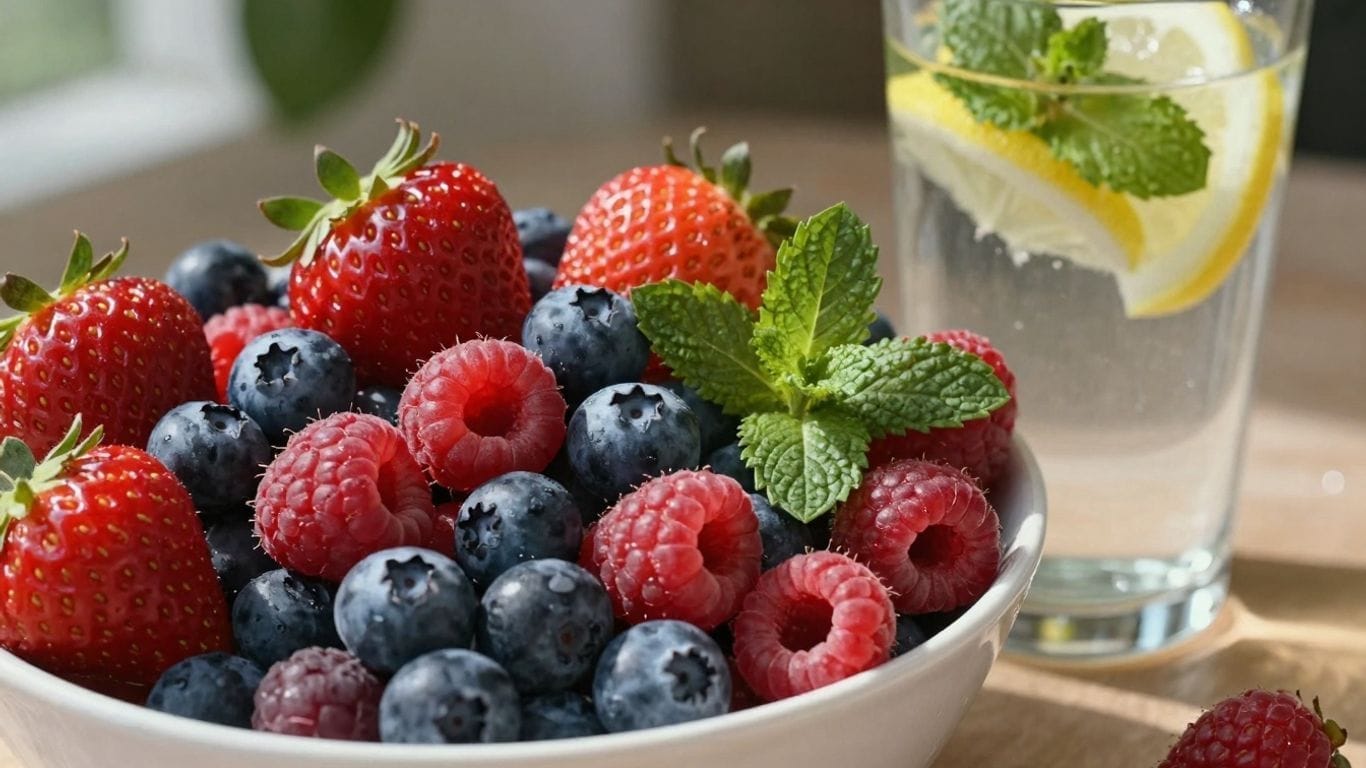
Sweet and Juicy Fruits
When you're craving something sweet, reaching for fruit is a fantastic idea. It's nature's candy, packed with vitamins, minerals, and fiber, which all help you feel full. Think about berries – strawberries, blueberries, raspberries – they're low in calories and high in antioxidants. Apples and pears are also great choices; their crunchiness adds to the satisfaction factor. Incorporating a variety of fruits into your diet is a delicious way to manage hunger and get essential nutrients.
Grapefruit: A Refreshing Choice
Grapefruit is a real standout when you want something light and zesty. It's mostly water, which helps you feel hydrated and full without adding many calories. Plus, it has a slightly bitter taste that some people find helps curb cravings for sweeter things. It's great on its own, or you can add a little sprinkle of cinnamon for a different flavor profile.
Watermelon: Hydrating and Low-Calorie
Watermelon is practically synonymous with summer, and for good reason. It's over 90% water, making it incredibly hydrating. This means you can eat a pretty generous portion and still keep your calorie count low. It's a perfect post-workout snack or a refreshing treat on a warm day. You can eat it in slices, cube it for a fruit salad, or even blend it into a slushy.
Staying hydrated is just as important as eating the right foods. Sometimes, thirst can masquerade as hunger, so sipping on water or eating water-rich foods can make a big difference in managing your appetite throughout the day.
Savory and Filling Options
Sometimes, you just want something savory, right? It doesn't mean you have to go for the high-calorie stuff, though. There are plenty of ways to get that satisfying, savory flavor without derailing your healthy eating goals.
Satisfying Soup Sensations
Soups can be surprisingly filling, especially if you load them up with vegetables and lean protein. Think about a hearty minestrone or a chicken vegetable soup. Broth-based options are generally lower in calories and can be a great way to get a lot of nutrients in one bowl. Making a big batch on the weekend means you've got quick and healthy meals ready to go during the week. You can even pack some in a thermos for a warm lunch on the go. It’s a simple way to enjoy a comforting meal that keeps you feeling full.
Bell Peppers: Colorful and Nutritious
Bell peppers are fantastic. They're crunchy, colorful, and can be used in so many ways. Whether you eat them raw with a dip, roast them until they're sweet, or stuff them with lean protein and grains, they add bulk and flavor to meals without a lot of calories. Plus, they're packed with vitamins. Seriously, they're a great addition to almost any meal when you're looking for something that feels substantial.
Turkey Roll-Ups for a Protein Boost
Forget those heavy sandwiches. Turkey roll-ups are a super simple and effective way to get a protein punch. Just take a slice of lean turkey breast, maybe add a thin slice of cheese or some crunchy veggies like lettuce or cucumber, and roll it up. It’s quick, portable, and provides that satisfying protein that helps keep hunger at bay. You can even spread a little hummus or avocado on the turkey before rolling for extra flavor and healthy fats. It’s a smart choice if you need a quick bite that will keep you going.
When you're aiming for savory and filling, focus on foods that offer volume and substance. This often means incorporating plenty of non-starchy vegetables, lean proteins, and healthy fats. These components work together to create a sense of fullness that lasts, preventing those mid-meal cravings for less healthy options. It's all about making smart choices that satisfy your taste buds and your hunger simultaneously.
So, What's the Takeaway?
Alright, so we've gone over a bunch of foods that can help you feel full without all the extra calories. It’s not about eating less, really, it’s about eating smarter. Think about adding more veggies, lean proteins, and fiber-rich stuff to your plate. You can totally make satisfying meals that taste good and keep you going. Forget feeling deprived; there are tons of tasty options out there. So go ahead, enjoy your food, and feel good about what you're eating.
Happy eating!
Frequently Asked Questions
Foods that are filling usually have a lot of fiber or protein. Fiber is like a sponge that soaks up water in your stomach, making you feel full. Protein also helps you feel satisfied for a longer time. Foods with lots of water, like fruits and veggies, can also help fill you up without a lot of calories.
Yes, vegetables are amazing for feeling full! They are low in calories but packed with fiber and water. Think of crunchy carrots, leafy spinach, or juicy cucumbers. They take up space in your stomach and give your body good stuff without adding many calories.
Absolutely! Snacks like air-popped popcorn are full of fiber. A small handful of nuts can be filling because of their protein and healthy fats. Even cottage cheese or Greek yogurt are great choices because they have lots of protein. Just watch your portion sizes with nuts!
Whole grains, like brown rice or quinoa, are great because they have tons of fiber. Fiber helps you feel full for hours, so you're less likely to want to eat more. They're a much better choice than white bread or white rice if you want to stay satisfied.
Many fruits are full of water and fiber, which helps you feel full. Berries, apples, and watermelon are good examples. They are naturally sweet, so they can satisfy a craving for something sweet without a lot of calories. Plus, they give you vitamins!
Definitely! Soups that are packed with vegetables and lean protein can be very filling. Think of a hearty vegetable soup or a broth-based chicken noodle soup. Turkey roll-ups with veggies are also a good option, offering protein and nutrients without a lot of calories.


Disclaimer: The information provided on this site is intended for your general knowledge only and is not a substitute for professional medical advice or treatment for specific medical conditions. You should not use this information to diagnose or treat a health problem or disease without consulting with a qualified healthcare provider. Please consult your healthcare provider with any questions or concerns you may have regarding your condition. Your use of this website indicates your agreement to this websites published terms of use and all site policies.
All trademarks, registered trademarks and service-marks mentioned on this site are the property of their respective owners. © Copyrights 2025.