


Written By - Jemily Wood, RD - Registered Dietitian & Lead Reviewer
Strength Training for Weight Loss | A Beginner's Guide
So, you're looking to shed some pounds and wondering how to make it happen. Lots of people jump straight to endless cardio, but what if I told you lifting weights could be your secret weapon? It sounds a bit backward, right? You lift weights to get stronger, not necessarily to lose weight. Well, turns out, strength training for weight loss is a real thing, and it's pretty darn effective. This guide is all about showing you how building muscle can actually help you burn more fat, not just now, but way down the line too.
Key Takeaways
Building muscle through strength training boosts your metabolism, meaning you burn more calories even when you're not exercising.
Strength training helps your body burn fat for energy, which is a direct contributor to weight loss.
Consistency is key; creating a sustainable strength training schedule that includes progressive overload will lead to continuous improvement.
Combining strength training with smart nutrition, especially adequate protein intake and a slight calorie deficit, maximizes fat loss results.
Strength training offers benefits beyond the scale, like improved body composition, increased strength, and better overall health, making it a valuable part of a long-term healthy lifestyle.
Understanding the Power of Strength Training for Weight Loss
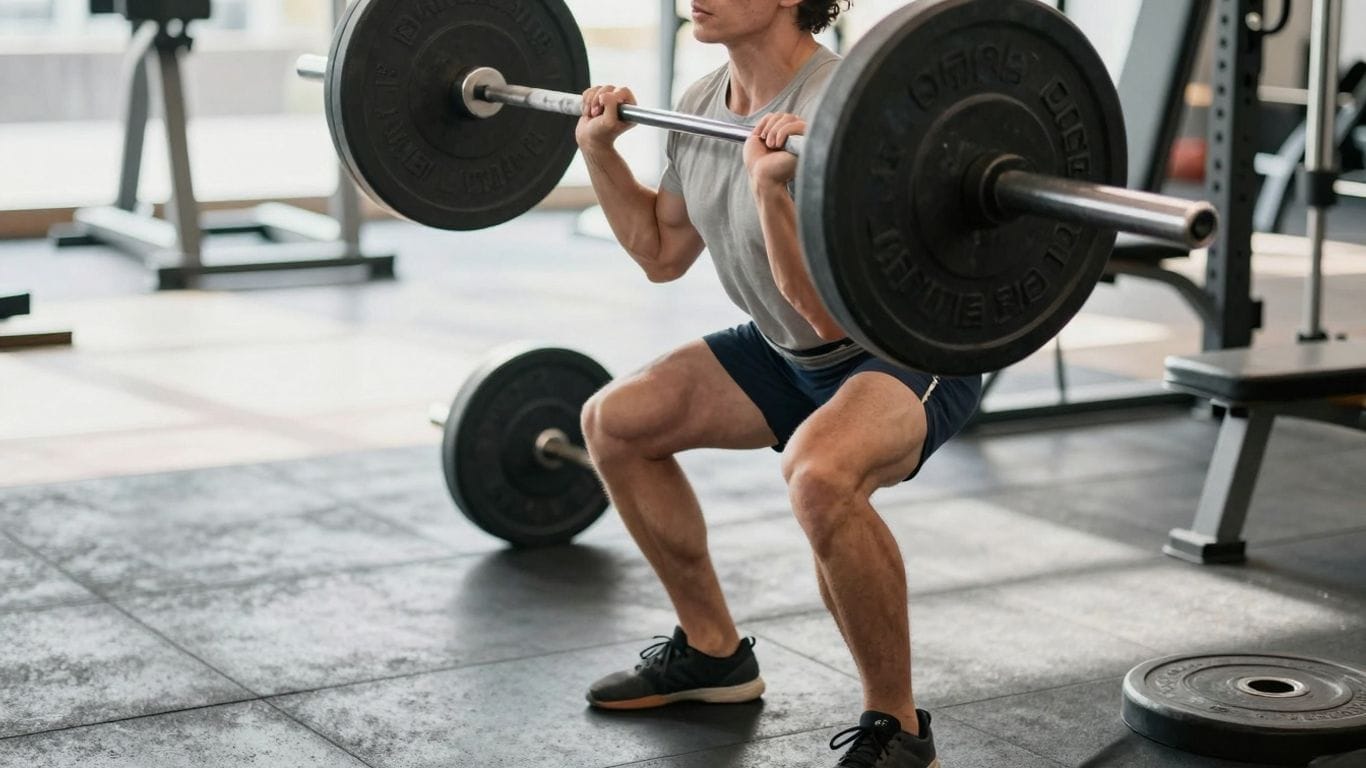
When most people think about losing weight, they often picture themselves on a treadmill or pounding the pavement for miles. Cardio is great, don't get me wrong, but there's another player in the weight loss game that often gets overlooked: strength training. It's not just about building big muscles; it's a seriously effective tool for shedding pounds and keeping them off.
How Muscle Mass Boosts Your Metabolism
Think of your body like a car. The more muscle you have, the bigger the engine, and the more fuel (calories) it burns, even when you're just sitting around. Muscle tissue is metabolically active, meaning it requires energy to maintain. The more muscle mass you build through strength training, the higher your resting metabolic rate becomes. This means you're burning more calories 24/7, not just during your workouts. It's like giving your metabolism a constant upgrade.
Increased Calorie Burn: More muscle means a higher daily calorie expenditure.
Sustained Fat Loss: A faster metabolism helps create a calorie deficit over time.
Body Composition Changes: You'll likely see a shift towards a leaner physique.
The Science Behind Strength Training and Fat Burning
So, how exactly does lifting weights help you burn fat? It's a two-part process. First, you burn calories during the workout itself as your muscles work hard. But the real magic happens after the workout. Your body needs energy to repair and rebuild the muscle fibers that were broken down during training.
Building Your Strength Training Foundation
So, you're ready to start lifting and building some muscle. That's awesome! But just walking into the gym and grabbing the first heavy thing you see isn't the best way to go about it. You need a plan, a bit of a roadmap. Think of it like building something – you wouldn't just start piling up materials randomly. A well-thought-out program helps you make steady progress, avoid injuries, and keep yourself motivated.
Essential Compound Movements for Full Body Engagement
When you're starting out, it's super smart to focus on exercises that work multiple muscle groups at once. These are called compound movements, and they're like the workhorses of strength training. They give you the most bang for your buck, helping you build a solid base of strength and coordination.
Here are a few you should definitely get familiar with:
Squats: Works your quads, hamstrings, glutes, and core. It's basically like sitting down and standing up, but with added weight.
Deadlifts: Hits your entire back, glutes, hamstrings, and forearms. This one teaches your body to lift things off the ground safely.
Push-ups (or Bench Press): Targets your chest, shoulders, and triceps. You can do these on the floor or with weights.
Overhead Press: Great for your shoulders and triceps. You'll be pushing weight straight up.
Rows (like Barbell Rows or Dumbbell Rows): Focuses on your back muscles and biceps. This is like pulling something towards you.
Mastering these basic movements will set you up for success.
Progressive Overload: The Key to Continuous Improvement
Okay, so you've got your exercises down. Now what? To keep getting stronger and seeing results, you need to gradually make your workouts a little harder over time. This is called progressive overload, and it's the main driver of muscle growth and strength gains. If you do the same thing every single workout, your body will adapt and stop changing.
How do you do it? It's simpler than it sounds:
Increase the Weight: Once you can comfortably complete your target reps with good form, try adding a small amount of weight next time.
Do More Reps: If you're not ready to add weight, try doing one or two more repetitions of the exercise with the same weight.
Do More Sets: Add an extra set to your workout for a particular exercise.
Decrease Rest Time: Shortening the time you rest between sets can make the workout more challenging.
The goal isn't to lift the heaviest weight possible right away. It's about making small, consistent increases over weeks and months. This steady challenge is what tells your muscles they need to adapt and get stronger.
Creating a Sustainable Strength Training Schedule
Now, let's talk about fitting this into your life. You don't need to be in the gym every single day. In fact, giving your body enough time to recover between sessions is just as important as the lifting itself. Recovery is when your muscles actually repair and grow stronger.
For most people starting out, aiming for 2 to 3 strength training sessions per week is a solid place to begin. A common and effective approach is to do full-body workouts on non-consecutive days. This allows your muscles to be worked and then have ample time to repair before the next session.
Here’s a sample weekly schedule to get you started:
Monday - Full Body Workout
Tuesday - Rest or Light Activity (walk)
Wednesday - Full Body Workout
Thursday -Rest or Light Activity
Friday - Full Body Workout
Saturday - Rest or Active Recovery
Sunday - Rest
Remember, consistency is key. It's better to have a schedule you can stick with, even if it's just two days a week, than to aim for five and burn out after a month. Listen to your body, and adjust as needed.
Optimizing Your Workouts for Maximum Fat Loss
So, you're hitting the weights, which is awesome. But are you getting the most out of your time in the gym when it comes to shedding fat? It's not just about lifting heavy; it's about being smart with how you structure your sessions. Let's talk about making those workouts really count.
The Role of Intensity and Rest Periods
When you're trying to lose fat, intensity is your friend. Pushing yourself during your working sets means your body has to work harder, burning more calories both during and after your workout. This is often called the afterburn effect, where your metabolism stays elevated for a while as your muscles recover. Think about lifting weights that challenge you to complete the last couple of reps with good form, but not so much that you can't finish the set.
Rest periods are also super important. Shorter rest periods, say 30-60 seconds between sets, can keep your heart rate up and contribute to a greater calorie burn. However, if you're doing very heavy compound lifts, you might need a bit longer, maybe 90 seconds to 2 minutes, to recover properly and maintain good form for the next set. It's a balance – you want to be challenged but also able to perform.
Incorporating Compound and Isolation Exercises
For maximum fat loss, a mix of compound and isolation exercises is key. Compound movements, like squats, deadlifts, bench presses, and overhead presses, work multiple muscle groups at once. This means you're burning more calories in less time and building overall strength. They're the heavy hitters for building muscle, which, as we've discussed, boosts your metabolism.
Isolation exercises, on the other hand, target specific muscles, like bicep curls or triceps extensions. While they don't burn as many calories as compound lifts, they are great for addressing weak points, improving muscle definition, and adding volume to your training. A good strategy is to focus the bulk of your workout on compound lifts and then add a few isolation exercises at the end to really target certain areas. This approach helps you build muscle and increase metabolism.
Tracking Progress Beyond Just the Number on the Scale
It's easy to get fixated on the number on the scale, but when you're strength training, that number might not tell the whole story. Muscle is denser than fat, so you might be losing fat and gaining muscle, meaning your weight stays the same or even goes up slightly. That's a good thing!
Here are some better ways to track your progress:
Measurements: Use a tape measure to track changes in your waist, hips, arms, and thighs. Small changes here can indicate fat loss even if the scale isn't moving.
How Your Clothes Fit: Are your jeans feeling looser? Is your favorite shirt fitting better? This is a great real-world indicator of progress.
Photos: Take progress photos every 4-6 weeks in the same lighting and clothing. Seeing the visual changes can be incredibly motivating.
Performance: Are you getting stronger? Can you lift more weight, do more reps, or hold a plank for longer? Improved performance is a direct sign of your body getting fitter and more capable.
Focusing solely on the scale can be discouraging when you're building muscle. Remember that your body composition is changing, and that's the real win. Strength training is about building a stronger, healthier you, not just a lighter one.
By paying attention to these other metrics, you'll get a much clearer picture of your fat loss journey and stay motivated even when the scale seems stuck.
Nutrition Strategies to Complement Strength Training
Alright, so you're hitting the weights, feeling the burn, and ready to see some changes. That's fantastic! But here's the thing: what you eat plays a massive role in how effective your strength training is for weight loss. It's not just about the reps and sets; it's also about what's on your plate. Think of your body like a car – you can have the best engine (your muscles), but if you put the wrong fuel in, it's not going to run right.
The Importance of Protein for Muscle Repair and Growth
When you lift weights, you're actually creating tiny tears in your muscle fibers. Sounds scary, right? But it's totally normal. This is the signal your body needs to start rebuilding. During your rest periods, your body sends nutrients to fix these tears, making your muscles bigger and stronger. If you're not giving your body enough protein, this repair process slows down. Protein is like the building blocks for this repair work. Without enough of them, your muscles can't recover properly, and you won't see the gains you're working for. It's pretty straightforward: more muscle means a faster metabolism, which helps burn more calories even when you're just chilling.
Here’s a general idea of how much protein you might aim for, but remember this can change based on your activity level and goals:
Macronutrient
Protein - 1.2-2.0 grams per kg of body weight (General Daily Intake Recommendation)
Making sure you're properly fueled and hydrated is just as important as the exercises you do. It's the support system that allows your muscles to adapt and get stronger from all your hard work.
Strategic Calorie Deficits for Effective Fat Loss
To lose weight, you generally need to consume fewer calories than your body burns. This is called a calorie deficit. But here's where it gets tricky with strength training: you don't want to cut calories so drastically that you don't have enough energy for your workouts or enough protein to build muscle. A moderate deficit is usually best. Trying to create a huge deficit can actually backfire, making you feel tired and potentially slowing down your metabolism. It's a balancing act. You want to eat enough to support muscle growth and recovery, but not so much that you're not losing fat. Finding that sweet spot is key. For example, aiming for a deficit of around 300-500 calories per day is often a good starting point for sustainable fat loss while preserving muscle mass. You can find some great resources on six foundational movements to build a solid base, which will help you burn more calories overall.
Hydration and Its Impact on Metabolism
Water is seriously underrated when it comes to fitness. It's involved in pretty much every bodily function, including muscle contractions and regulating your body temperature. When you're strength training, you sweat more, meaning you lose more water. Not drinking enough can lead to fatigue, reduced performance, and even muscle cramps. Keep a water bottle with you throughout the day and sip on it regularly, especially before, during, and after your workouts. Don't wait until you feel thirsty to drink; by then, you're already a bit dehydrated. Staying hydrated helps keep your metabolism running smoothly and supports all those important muscle repair processes.
Overcoming Common Hurdles in Strength Training
Starting a strength training routine is awesome, but let's be real, it's not always smooth sailing. Lots of people hit roadblocks that can make them want to throw in the towel. We're talking about things like feeling awkward in the gym, not knowing where to start, or just losing steam after a few weeks. But don't sweat it, these are super common, and there are ways to push past them.
Addressing Gymtimidation and Building Confidence
Walking into a gym for the first time, or even after a break, can feel pretty intimidating. You see people lifting heavy weights, doing complex moves, and you might feel like everyone's watching you. It's a totally normal feeling! The trick is to remember that most people are focused on their own workouts. Start small, maybe during off-peak hours if that helps. Focus on learning the basic movements with lighter weights or even just your body weight. Watching a few reputable online videos beforehand can also give you a better idea of what to expect and how to perform exercises correctly. Confidence grows with competence, so the more you practice with good form, the more comfortable you'll become.
Modifying Exercises for Beginners and Different Fitness Levels
Not every exercise is going to feel right for every person, especially when you're just starting out. The good news is that most exercises can be modified. For example, if regular push-ups are too tough, try doing them on your knees or against a wall. Squats can be done with a chair behind you to ensure you don't go too low. The goal is to challenge your muscles without risking injury. It's all about finding a version of the exercise that works for your body right now. As you get stronger, you can gradually make the exercise harder.
Here's a quick look at some common modifications:
Push-ups: Start on knees, incline push-ups (hands on a bench or wall).
Squats: Use a chair for support or to gauge depth, reduce range of motion.
Lunges: Hold onto a wall or chair for balance, reduce step length.
Plank: Perform on knees instead of toes.
Staying Motivated on Your Weight Loss Journey
Motivation can be a tricky thing. Some days you'll feel like a superhero, ready to conquer the world. Other days, the couch will look way more appealing than the gym. That's okay! The key is consistency, not perfection. Set realistic goals – maybe aiming to complete three workouts a week rather than seven. Celebrate small victories, like lifting a slightly heavier weight or completing an extra rep. Tracking your progress, not just on the scale but also in how you feel and perform, can be a huge motivator. Remember why you started and focus on the long-term benefits of a stronger, healthier you.
It's easy to get discouraged when progress feels slow. Remember that building strength and losing weight is a marathon, not a sprint. Focus on showing up consistently, even when you don't feel like it. Small, consistent efforts add up over time to create significant changes. Don't compare your journey to others; your path is unique.
Integrating Strength Training into Your Lifestyle
So, you've been hitting the weights, feeling stronger, and maybe even seeing some changes on the scale. That's awesome! But how do you make sure this isn't just a phase? How do you weave strength training into the fabric of your everyday life so it sticks? It's not about being perfect every single day, but about building habits that support your goals long-term.
Balancing Strength Training with Other Forms of Exercise
It's easy to get tunnel vision with strength training, especially when you're focused on weight loss. But a well-rounded fitness routine is key. Think of strength training as the builder, and other activities as the maintenance crew. Cardio, like brisk walking, cycling, or swimming, is fantastic for heart health and burning calories. Flexibility work, like yoga or stretching, keeps your muscles limber and can help prevent injuries. The trick is to find a balance that works for you. You don't need to be doing intense cardio every day. Maybe it's two days of strength, two days of moderate cardio, and one day of active recovery or stretching. Listen to your body; some days it might crave a tough lift, other days a gentle walk might feel much better.
Here’s a simple way to think about it:
Strength Days: Focus on lifting, building muscle, and boosting that metabolism.
Cardio Days: Get your heart rate up, improve endurance, and burn extra calories.
Active Recovery Days: Gentle movement like walking, stretching, or light yoga to help your body recover and stay mobile.
The Long-Term Impact of Strength Training on Health
Beyond the immediate benefits of weight loss and muscle gain, strength training has some pretty significant long-term perks. As we get older, we naturally start to lose muscle mass, a process called sarcopenia. Strength training is the most effective way to combat this. More muscle means a higher resting metabolism, which helps keep weight in check even when you're not actively working out. It also plays a huge role in bone health. Lifting weights puts stress on your bones, signaling them to become denser and stronger, which can significantly reduce the risk of osteoporosis and fractures later in life. Plus, improved strength makes everyday tasks easier and safer, reducing the likelihood of falls and injuries.
Building strength isn't just about looking good; it's about building a resilient body that can handle life's demands for years to come. It's an investment in your future self, paying dividends in mobility, independence, and overall well-being.
Making Strength Training a Lifelong Habit
Turning strength training into a habit that lasts a lifetime is all about making it enjoyable and sustainable. Forget the idea that you need to spend hours in the gym. Short, effective workouts done consistently are far better than sporadic marathon sessions. Find exercises you genuinely enjoy, or at least don't dread. Maybe you prefer free weights, machines, or even bodyweight exercises at home. Experiment until you find what clicks. Setting realistic goals, tracking your progress (not just the scale!), and celebrating small victories can keep you motivated. Remember why you started – to feel stronger, healthier, and more capable. That 'why' will be your anchor when motivation dips. It’s a journey, and like any good journey, it’s about the progress, not just the destination.
Keep Going!
So, we've talked a lot about how lifting weights can really help you out when you're trying to lose weight. It's not just about burning calories during your workout, but also about building muscle that keeps your body working harder even when you're just chilling. Remember, it's a journey, and consistency is key. Don't get discouraged if you don't see changes overnight. Keep showing up, keep lifting, and you'll get there. Mix it with good food choices, and you're setting yourself up for success. You've got this!
Frequently Asked Questions
Yes, you absolutely can! While eating healthy is super important for weight loss, strength training plays a big role too. It helps build muscle, which makes your body burn more calories even when you're just chilling. So, it's a powerful combo for shedding pounds and getting stronger.
For best results, aim for strength training about 3 to 5 times a week. This helps build and keep your muscle, which is key for burning calories. Don't worry about overdoing it; consistency is more important than doing super long workouts every single time.
Focus on compound movements that work many muscles at once, like squats, deadlifts, push-ups, and rows. These exercises give you the most bang for your buck. They help you burn more calories and build more muscle compared to exercises that only work one small muscle group.
You can start seeing changes in as little as 3 to 4 weeks if you train consistently 3-4 times a week for about 30 minutes each session. Remember, everyone's body is different, so focus on how you feel and get stronger, not just the number on the scale.
Definitely! Combining cardio and strength training is a fantastic way to get the best of both worlds. Cardio helps burn calories during your workout, while strength training boosts your metabolism long-term. A balanced mix will help you lose weight and improve your overall fitness.
It's totally normal to feel that way! Many people do. The best advice is to start with what feels comfortable. You can begin with workouts at home using dumbbells, or go during less busy times at the gym. Remember, everyone starts somewhere, and the gym is for all fitness levels.


Disclaimer: The information provided on this site is intended for your general knowledge only and is not a substitute for professional medical advice or treatment for specific medical conditions. You should not use this information to diagnose or treat a health problem or disease without consulting with a qualified healthcare provider. Please consult your healthcare provider with any questions or concerns you may have regarding your condition. Your use of this website indicates your agreement to this websites published terms of use and all site policies.
All trademarks, registered trademarks and service-marks mentioned on this site are the property of their respective owners. © Copyrights 2025.