


Written By - Jemily Wood, RD - Registered Dietitian & Lead Reviewer
What is the Difference Between Vegan and Vegetarian?
So, you're wondering about the whole vegan versus vegetarian thing? It's a question a lot of people have, and honestly, it can get a little confusing with all the different terms out there. Basically, both diets steer clear of meat, but there's a bigger picture to consider. It's not just about what's on your plate; it’s about a whole mindset. Let's break down what is the difference between vegan and vegetarian so it's super clear.
Key Takeaways
Vegetarians don't eat meat, poultry, or fish, but often include dairy and eggs in their diet. Vegans, on the other hand, avoid all animal products, including dairy, eggs, and honey.
The main difference between vegan and vegetarian is that veganism is a lifestyle that excludes all animal exploitation, not just in food, but also in clothing, cosmetics, and other areas.
Vegetarian diets have variations like lacto-vegetarian (includes dairy) and ovo-vegetarian (includes eggs), offering more flexibility.
Veganism is a stricter commitment, eliminating every single animal-derived item, which requires careful attention to ingredients.
Both diets can be healthy and have positive environmental impacts, but veganism generally has a lower footprint due to the complete avoidance of animal agriculture.
Understanding The Core Difference Between Vegan And Vegetarian
Defining Veganism and Vegetarianism Simply
So, you're curious about what sets vegan and vegetarian diets apart? It's a common question, and honestly, it's not as complicated as it might seem at first. Both diets steer clear of eating animals, but the big difference lies in what else they exclude. Think of it like this: vegetarianism is a broad category, while veganism is a more specific, stricter version.
The Fundamental Distinction
At its heart, the main difference is simple: vegetarians don't eat meat, poultry, or fish. That's the baseline. However, many vegetarians do consume products that come from animals, like dairy (milk, cheese, yogurt) and eggs. Vegans, on the other hand, take it a step further. They avoid all products that come from animals. This means no meat, no poultry, no fish, but also no dairy, no eggs, and even no honey.
Here's a quick rundown:
Vegetarian: Excludes meat, poultry, fish. May include dairy, eggs, honey.
Vegan: Excludes all animal products: meat, poultry, fish, dairy, eggs, honey, and other animal-derived ingredients.
Core Principles of Plant-Based Eating
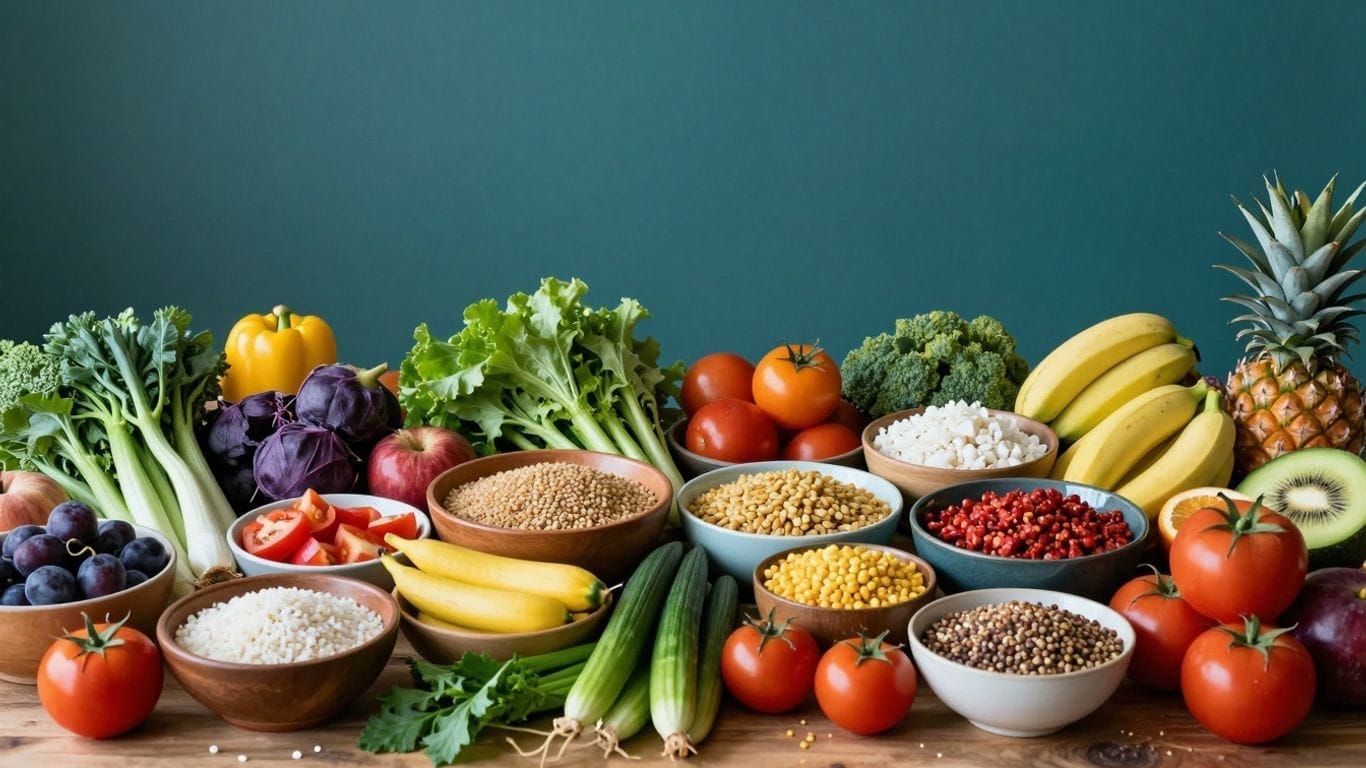
Both vegan and vegetarian diets are rooted in plant-based eating, meaning they focus on foods derived from plants. This generally includes fruits, vegetables, grains, legumes (like beans and lentils), nuts, and seeds. The motivation behind choosing these diets can vary widely, from personal health goals and environmental concerns to ethical beliefs about animal welfare. For many, it's a combination of these factors.
The choice to adopt a vegan or vegetarian lifestyle is often a deeply personal one, influenced by a desire to live more consciously and with less impact on the world around us. It's about making deliberate choices regarding what we consume and how those choices affect animals and the planet.
Ultimately, while both paths lead to a more plant-focused way of eating, veganism represents a more complete exclusion of animal products in both diet and lifestyle.
Exploring The Nuances Of Vegetarian Diets
Defining Veganism and Vegetarianism Simply
When we talk about vegetarian and vegan diets, it's easy to get them mixed up. Both are about eating more plants, which is great, but they aren't quite the same thing. Think of vegetarianism as a big umbrella with a few different styles underneath it. It's mainly about what you don't eat from the animal kingdom, specifically meat, poultry, and fish. But what you can eat can vary quite a bit.
The Fundamental Distinction
The main difference really boils down to how strictly animal products are excluded. Vegetarians draw a line at flesh foods – no meat, no chicken, no fish. However, many vegetarians are perfectly fine with things that come from animals without the animal being harmed or killed for it. This is where the variations come in, and it's what makes vegetarianism a bit more flexible for some people.
Core Principles of Plant-Based Eating
At its heart, vegetarianism is a dietary choice focused on plant foods. The core idea is to reduce or eliminate the consumption of animal flesh. This often stems from a mix of reasons, including health goals, ethical considerations about animal welfare, or even environmental concerns. It's a way to eat that prioritizes plants while still allowing for certain animal by-products.
Here are the common types of vegetarian diets:
Lacto-Vegetarian Choices: These folks avoid meat, poultry, and fish, but they do include dairy products like milk, cheese, and yogurt in their diet. So, a creamy pasta dish or a yogurt parfait is usually on the menu.
Ovo-Vegetarian Inclusions: For ovo-vegetarians, eggs are a go. They skip meat, poultry, and fish, and also steer clear of dairy. Think of omelets or baked goods that use eggs but no milk.
Lacto-Ovo Vegetarian Flexibility: This is probably the most common type. Lacto-ovo vegetarians avoid meat, poultry, and fish, but they happily consume both dairy products and eggs. This offers a lot of room for variety in meals and recipes.
It's important to remember that even within these categories, individual choices can differ. Some vegetarians might avoid honey, for instance, while others don't see it as an issue. The key is understanding that vegetarianism isn't a single, rigid rulebook.
Veganism: A Comprehensive Lifestyle Beyond Diet
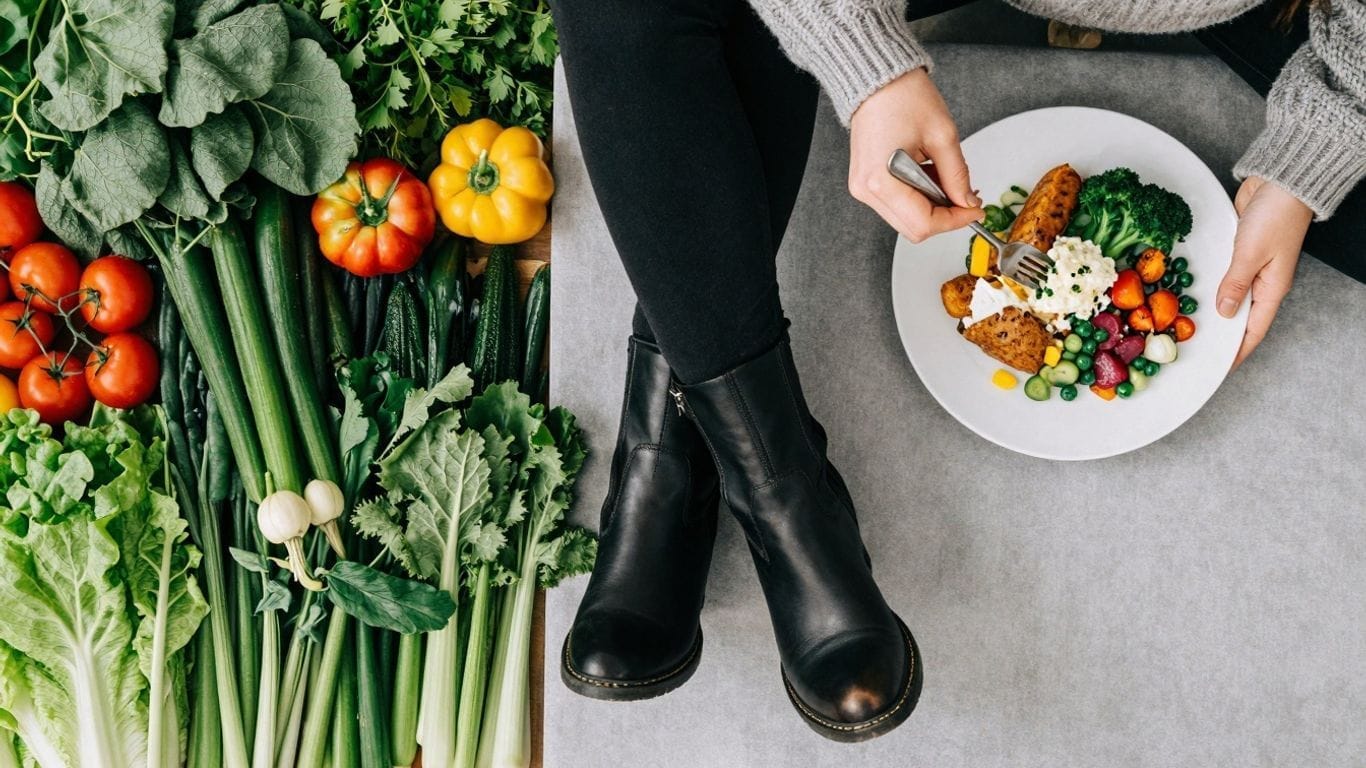
So, we've talked about what vegetarianism is, mostly focusing on food. But veganism? It's a whole different ballgame. It's not just about what you eat; it's a bigger philosophy, a way of looking at the world and trying to cause as little harm as possible. This means avoiding all animal products, not just in your meals, but in pretty much everything else you use too.
The Holistic Philosophy of Veganism
At its heart, veganism is about rejecting the idea that animals are here for us to use. It's a stance against exploitation. Think about it – if you're against causing animals suffering for food, it often makes sense to extend that to other areas of your life. This philosophy really shapes how vegans make choices.
Excluding All Animal-Derived Products
When we say all animal products, we really mean it. This goes way beyond just meat and fish, which vegetarians also avoid. For vegans, it includes:
Dairy: Milk, cheese, yogurt, butter – all out.
Eggs: No eggs for breakfast or in baking.
Honey: Bees work hard for that, so it's typically excluded.
Other Ingredients: Things like gelatin (often from animal bones) or whey (a dairy byproduct) are also avoided. You really have to read labels carefully!
It's a commitment to a plant-based diet that's pretty strict, but for many, it aligns perfectly with their values. It's about making conscious choices that reflect a deep respect for animal life. You can find some great plant-based protein options these days, like those made from mycelium.
Beyond Food: Clothing and Cosmetics
This is where veganism really stands apart from vegetarianism. It's not just about what's on your plate. Vegans often extend their principles to:
Clothing: Choosing materials like cotton, linen, or synthetic fabrics instead of leather, wool, or silk.
Cosmetics and Personal Care: Opting for products that are certified cruelty-free and don't contain animal ingredients like carmine (from insects) or lanolin (from sheep's wool).
Household Goods: Being mindful of cleaning supplies or furniture that might use animal-derived components.
Making these choices means actively seeking out alternatives. It requires a bit more research and awareness, but it's about living in a way that minimizes your impact on animals across the board. It's a lifestyle that's constantly evolving with new products and options becoming available.
Key Differences In Food Exclusions
What Vegetarians Exclude
Most people think of vegetarianism as simply not eating meat, and that's pretty much the core of it. When someone says they're vegetarian, they're generally avoiding anything that was once a living animal. This means no beef, pork, chicken, turkey, fish, or seafood. It's a pretty clear line for most folks. However, the waters get a little murkier because there are different types of vegetarians.
Lacto-vegetarians: These folks avoid meat, poultry, and fish, but they're okay with dairy products like milk, cheese, and yogurt. They just don't eat eggs.
Ovo-vegetarians: On the flip side, ovo-vegetarians eat eggs but steer clear of dairy. So, no milk in their coffee, but they might have scrambled eggs for breakfast.
Lacto-ovo vegetarians: This is the most common type. They avoid meat, poultry, and fish, but they do include both dairy and eggs in their diet. Think of a pizza with cheese and veggies, or a cake made with eggs and milk – that's usually fair game.
What Vegans Exclude
Veganism takes things a significant step further. It's not just about avoiding the flesh of an animal; it's about avoiding all products that come from animals. This is a much more extensive list.
Vegans exclude:
Meat, poultry, fish, and seafood (just like vegetarians).
Dairy products (milk, cheese, butter, yogurt).
Eggs.
Honey (since it's produced by bees).
Other animal-derived ingredients like gelatin (often found in desserts and capsules), whey, casein, and some forms of vitamin D3.
The fundamental difference is that vegans eliminate all animal by-products, not just the animals themselves. This often stems from a deeper ethical stance against animal exploitation in any form.
Hidden Animal Ingredients To Watch For
This is where things can get tricky, even for vegetarians, but especially for vegans. Many processed foods contain ingredients that aren't immediately obvious as animal-derived. Reading labels becomes a really important skill.
Some common culprits include:
Gelatin: Often found in marshmallows, gummy candies, and some yogurts. It's made from animal collagen.
Casein and Whey: These are milk proteins. You might find them in protein powders, baked goods, and even some non-dairy creamers (yes, really!).
L-cysteine: Sometimes used in bread products, it can be derived from animal hair or feathers.
Carmine: A red food coloring made from crushed beetles, often found in candies and beverages.
Shellac: Used as a glaze on candies and baked goods, it's made from secretions of the lac beetle.
Being mindful of these hidden ingredients is key to sticking to a vegan diet. It requires a bit of detective work, but it gets easier with practice. You start to recognize the terms and know what to look out for on ingredient lists. It's all about being informed about what you're actually consuming.
Lifestyle Scope: Diet Versus A Broader Commitment
Vegetarianism Primarily A Dietary Choice
When most people think about vegetarianism, they're usually picturing what's on their plate. It's largely about what you don't eat – specifically, meat, poultry, and fish. While there are different types of vegetarians (like lacto-ovo, who eat dairy and eggs), the focus tends to stay pretty centered on food choices. It's a way to adjust your meals, maybe for health reasons, ethical concerns about animal slaughter, or environmental impact, but it doesn't necessarily spill over into every other part of your life. You might swap out a burger for a veggie patty, but your shoes are probably still leather, and your shampoo might have been tested on animals. It's a significant change, for sure, but often it's contained within the kitchen and dining room.
Veganism's Influence On Daily Life
Veganism, on the other hand, is a bit of a different beast. It's not just about avoiding meat, dairy, and eggs for meals. It's a whole philosophy that aims to cut out all forms of animal exploitation and cruelty. This means that if you're vegan, you're probably looking at more than just your food. Think about your clothes: leather jackets, wool sweaters, silk scarves – those are out. What about your toiletries? Many cosmetics and personal care products are tested on animals, and vegans typically avoid those too. It becomes a conscious decision-making process that touches many aspects of daily living, from the food you buy to the brands you support.
The Extent Of Vegan Lifestyle Choices
So, how far does this go? For many vegans, it's about making intentional choices that align with their values. This can include:
Clothing: Opting for plant-based materials like cotton, linen, or synthetic alternatives instead of leather, wool, or silk.
Cosmetics and Personal Care: Choosing products labeled "cruelty-free" and avoiding those with animal-derived ingredients like carmine or lanolin.
Household Goods: Selecting cleaning supplies and other home products that haven't been tested on animals or don't contain animal by-products.
Entertainment: Avoiding activities that exploit animals, such as circuses with animal acts or zoos with questionable welfare standards.
It's a commitment that requires a bit more research and awareness, but for those who embrace it, it's a way to live more consistently with their ethical beliefs. It's about trying to minimize your impact on animals in every way possible, not just at mealtime.
The difference in scope is pretty striking. While vegetarianism often centers on dietary habits, veganism extends into a broader lifestyle commitment, influencing purchasing decisions across various categories beyond just food. It's a more encompassing approach to reducing animal product consumption and exploitation.
Health And Environmental Considerations
When we talk about vegan and vegetarian diets, it's not just about what's on our plate; it's also about how those choices affect our bodies and the planet. Both paths can lead to some pretty great health outcomes, but they also have different impacts on the environment.
Nutritional Aspects Of Each Diet
Both vegan and vegetarian eating patterns can be really good for you. They often mean you're eating more fruits, veggies, and whole grains, which is fantastic for keeping your heart healthy and managing your weight. Studies show that people who eat this way tend to have lower risks of things like heart disease and certain types of cancer. However, it's super important to plan your meals right. You've got to make sure you're getting enough of the key nutrients that are usually found in animal products, like vitamin B12, iron, and omega-3s. Vegans, in particular, need to be mindful of getting enough calcium and vitamin D since they cut out dairy entirely.
Key Nutrients to Watch:
Vitamin B12 (often needs supplementation for vegans)
Iron (pair with Vitamin C for better absorption)
Calcium (found in leafy greens, fortified foods)
Omega-3 Fatty Acids (from flaxseeds, chia seeds, walnuts)
Protein (from beans, lentils, tofu, tempeh)
Sustainable Protein Alternatives
Finding good protein sources is a common question for anyone considering these diets. Luckily, there are tons of options! Legumes like beans, lentils, and chickpeas are protein powerhouses. Tofu, tempeh, and edamame are also great choices, made from soybeans. Nuts and seeds add protein along with healthy fats. Quinoa is a complete protein grain. For vegetarians, eggs and dairy can contribute, but vegans rely solely on plants. Making sure you eat a variety of these plant-based proteins throughout the day is key to getting all the amino acids your body needs.
It's easy to think of these diets as just food choices, but they really are a way of living that considers the bigger picture. From personal health to the health of our planet, the ripple effects are pretty substantial. Planning is definitely part of the journey, but the rewards can be pretty significant.
Choosing Between Vegan And Vegetarian
So, you're thinking about shifting towards a more plant-based way of eating, which is awesome! But then you hit the fork in the road: vegan or vegetarian? It can feel a bit confusing, right? Let's break down how to figure out which path feels more like you.
Aligning With Ethical Priorities
This is often the biggest driver for people. If your main goal is to reduce animal suffering and exploitation as much as possible, veganism is probably the way to go. It's not just about what's on your plate; it's a whole lifestyle. This means avoiding not only meat, dairy, and eggs, but also things like leather, wool, and cosmetics tested on animals. It’s a pretty strong commitment to animal welfare. On the other hand, vegetarianism is still a fantastic step for animal welfare, cutting out the direct consumption of animal flesh. Many people start here because it feels more manageable.
Vegetarianism As A Stepping Stone
Considering Dietary Flexibility
Let's be real, sometimes you just want that slice of cheese or a fluffy omelet. If giving up dairy and eggs entirely feels like too big a leap right now, vegetarianism offers a lot more wiggle room. There are different types of vegetarian diets, like lacto-ovo vegetarianism, which allows both dairy and eggs. This can make the transition feel less daunting. You can still significantly reduce your impact and eat a lot more plants without cutting out everything at once. It's about finding what works for your life and your taste buds.
Vegetarianism As A Stepping Stone
Honestly, there's no rule that says you have to pick one and stick with it forever. Many people find that starting with a vegetarian diet is a great way to ease into plant-based eating. You get used to cooking without meat, exploring new recipes, and understanding plant-based nutrition. Then, over time, you might find yourself naturally cutting out dairy and eggs, moving closer to veganism. It’s a journey, not a race. Think of it like this:
Start by swapping out meat for plant-based alternatives in your favorite meals.
Experiment with dairy-free milk and yogurt options.
Gradually reduce your consumption of eggs and cheese.
Making a change doesn't have to be all or nothing. Small, consistent steps can lead to big shifts over time, benefiting both you and the planet.
Ultimately, the best choice is the one you can stick with. Both vegetarian and vegan diets have significant health and environmental benefits compared to a standard omnivorous diet. If you're looking for a way to eat that avoids all animal products, veganism is a comprehensive lifestyle. If you prefer to keep some animal products like dairy or eggs in your diet, vegetarianism is a wonderful and impactful choice.
Wrapping It Up
So, we've gone over the main differences between being vegan and vegetarian. It's not just about what's on your plate, though. Vegetarianism usually means no meat, poultry, or fish, but you might still have dairy or eggs. Veganism takes it a step further, cutting out all animal products, and often extends to things like clothing and cosmetics too. Both choices can be good for your health and the planet, but veganism generally has a smaller environmental impact. Ultimately, deciding which path to take depends on your own priorities and what feels right for you. It's a personal journey, and either way, you're making a conscious choice about how you eat and live.
Frequently Asked Questions
Think of it like this: vegetarians don't eat animals, but they might still eat things that come from animals, like milk or eggs. Vegans, on the other hand, steer clear of absolutely everything that comes from an animal – no meat, no dairy, no eggs, and not even honey. It's a bigger commitment to avoid all animal products.
Yes, there are! The most common type is lacto-ovo vegetarian, which means they eat dairy (lacto) and eggs (ovo) but no meat. Some vegetarians are lacto-vegetarians (they eat dairy but no eggs) or ovo-vegetarians (they eat eggs but no dairy). There are also pescatarians, who eat fish but no other meat.
For many vegans, yes. Veganism is often about more than just food. It's a lifestyle that tries to avoid harming animals in any way. So, many vegans won't wear leather shoes, wool sweaters, or silk scarves because those materials come from animals.
Definitely! Some foods that seem like they should be okay for vegetarians or vegans might have hidden animal ingredients. For example, some candies and yogurts can have gelatin, which is made from animal parts. Also, some broths and sauces use chicken or beef stock, and even some bread might be made with lard. It's always good to check the labels carefully!
Both diets can be super healthy if you plan them right! They can help lower your risk of heart disease and other health problems. Vegans might need to pay a bit more attention to getting enough Vitamin B12, iron, and omega-3s, often through fortified foods or supplements, but both diets can be really good for you.
It can feel like a big change at first, but it doesn't have to be all at once! Many people start by becoming vegetarian and then gradually move towards veganism. There are tons of delicious plant-based foods and recipes out there, and with a little research and planning, it can be a really rewarding journey.


Disclaimer: The information provided on this site is intended for your general knowledge only and is not a substitute for professional medical advice or treatment for specific medical conditions. You should not use this information to diagnose or treat a health problem or disease without consulting with a qualified healthcare provider. Please consult your healthcare provider with any questions or concerns you may have regarding your condition. Your use of this website indicates your agreement to this websites published terms of use and all site policies.
All trademarks, registered trademarks and service-marks mentioned on this site are the property of their respective owners. © Copyrights 2025.