


Written By - Jemily Wood, RD - Registered Dietitian & Lead Reviewer
What Vitamins Help With Weight Loss? | A Science-Backed Guide
Trying to shed some pounds can be a real journey, right? You eat better, you move more, but sometimes it feels like you're just spinning your wheels. It turns out, what you eat *matters*, but also what your body *uses* from that food is super important. We're talking about vitamins here. They do a lot more than just keep you from getting sick; they can actually help your body work better for weight loss. If you've been feeling tired or just not seeing the results you want, maybe your body is missing a few key players. Let's look at what vitamins help with weight loss and how they might give your efforts a little boost.
Key Takeaways
B vitamins are vital for turning food into energy, helping your metabolism run smoothly and potentially burning more calories.
Vitamin D might help with weight loss by influencing hormones that control hunger and fat storage, and by boosting energy levels.
Vitamin C can help manage stress hormones, which sometimes lead to extra weight gain.
Vitamin B6 helps in processing proteins and carbs, helping your body use calories more effectively.
Vitamin E helps reduce inflammation, which can support a healthier metabolism overall.
The Crucial Role of B Vitamins in Metabolism
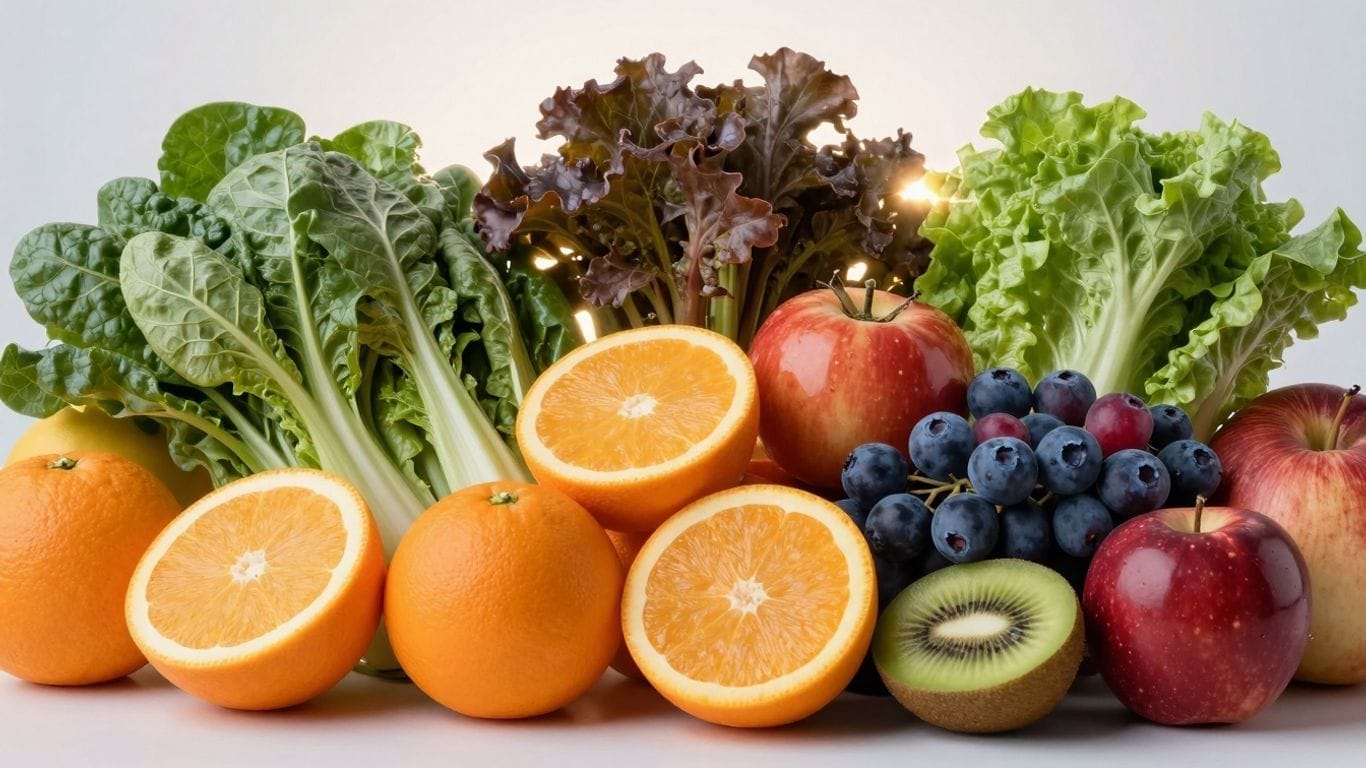
When you're trying to shed some pounds, it's easy to focus just on what you're eating and how much you're moving. But there's a whole team of tiny helpers inside your body that are working hard to make it all happen: the B vitamins. Think of them as the mechanics of your metabolism, making sure everything runs smoothly so your body can actually use the fuel you give it. Without enough of these guys, your metabolism can slow down, leaving you feeling tired and making it way harder to burn off those extra calories.
How B Vitamins Fuel Your Weight Loss Journey
B vitamins are like the spark plugs for your body's energy production. They help convert the food you eat – the carbs, proteins, and fats – into usable energy that your cells can actually use. If this conversion process isn't happening efficiently, your body might just decide to store those calories as fat instead of burning them. So, getting enough B vitamins means your body is better equipped to use the energy from your meals, which is a pretty big deal when you're trying to lose weight.
Understanding the B Vitamin Family for Energy
There isn't just one B vitamin; there are actually eight of them, and they all work together. Each one has its own specialty, but they all contribute to keeping your energy levels up and your metabolism humming. Here’s a quick rundown of some of the key players:
Vitamin B1 (Thiamine): Helps turn carbohydrates into energy. It’s like the first step in getting fuel from your food.
Vitamin B2 (Riboflavin): Supports the breakdown of fats, proteins, and carbs, and helps with energy production.
Vitamin B3 (Niacin): Also involved in converting food into energy and helps keep your nervous system working right.
Vitamin B6 (Pyridoxine): Important for processing protein and can help regulate your mood, which might help with emotional eating.
Vitamin B12 (Cobalamin): Famous for its role in energy and making red blood cells, which carry oxygen to your muscles. This is super helpful if you're exercising.
Getting enough of these vitamins means your body is better equipped to handle the demands of a weight loss plan, from fueling your workouts to simply having the energy to get through the day without feeling drained.
Practical Tips for Boosting B Vitamin Intake
Don't worry, you don't have to go out and buy a bunch of supplements right away. You can get a good amount of B vitamins from everyday foods. Try adding more of these to your plate:
Whole Grains: Think brown rice, oats, and whole wheat bread.
Lean Proteins: Chicken, turkey, fish, and eggs are good sources.
Leafy Greens: Spinach and kale pack a B vitamin punch.
Legumes: Beans and lentils are also great options.
Dairy Products: Milk and yogurt can contribute to your intake.
If you have dietary restrictions, like being vegetarian or vegan, or if you just feel like you're not getting enough, talking to a doctor about a B-complex supplement might be a good idea. Sometimes, a little extra support can make a noticeable difference in how you feel and how your body responds to your weight loss efforts.
Vitamin D: A Sunshine Vitamin for Weight Management
Why Vitamin D Matters for Weight Loss
When you think about vitamins that help with shedding pounds, Vitamin D might not be the first one that pops into your head. Most of us know it for keeping our bones strong and our immune systems humming. But it turns out, this "sunshine vitamin" might be doing more heavy lifting for your weight loss journey than you realize. Some recent research is starting to draw a line between not having enough Vitamin D and finding it harder to lose weight. It seems this nutrient could play a part in how your body handles fat storage and even how satisfied you feel after eating.
Think about it: you're trying to eat better, you're moving more, and you're watching your portions, but the scale just isn't budging. That kind of plateau can be really discouraging. For many people, low Vitamin D levels could be a hidden reason why. When your body is short on this vitamin, your metabolism might not run as efficiently, and hormones that tell you you're full or manage fat, like leptin and insulin, might not do their job as well. So, whether you're out enjoying the sun or mostly indoors, making sure you have enough Vitamin D could actually make a difference in how you feel and help you reach your weight goals.
The Science Behind Vitamin D and Fat Storage
Vitamin D is a bit unique because it's a fat-soluble vitamin. This means your body stores it in your fatty tissues and brings it out when needed. This characteristic is pretty interesting when we look at how Vitamin D interacts with fat cells. Scientists have found that fat tissue actually has Vitamin D receptors, and these receptors seem to help control how fat gets stored and broken down. Studies hint that having enough Vitamin D might help shrink fat cells or reduce their number, making it easier for your body to tap into stored fat for energy. This is a big reason why experts are looking more closely at Vitamin D's role in supporting weight loss. If you've ever felt like your metabolism was stuck in neutral, a Vitamin D deficiency might be contributing to that feeling.
Supporting Satiety and Energy Levels with Vitamin D
Beyond its effects on fat storage, Vitamin D also seems to influence your appetite and how full you feel. It plays a role in making leptin, a hormone that signals to your brain that you've had enough to eat. When Vitamin D levels are low, this signal might get weaker, making it harder to feel satisfied after a meal and potentially leading to overeating. Plus, a lack of Vitamin D can leave you feeling tired, which makes sticking to your exercise plan feel like a huge chore. When you don't have enough energy, even the best diet and workout routine can seem overwhelming. Making sure your Vitamin D levels are healthy can help boost your motivation and give you the stamina you need to stay active and committed to your weight loss journey. Getting enough Vitamin D might help you feel better and support your weight goals too. You can get Vitamin D from safe sun exposure, certain foods, or supplements if needed to support your weight loss.
Low Vitamin D levels have been linked to increased body fat and difficulty losing weight. Ensuring adequate intake may help improve metabolic function and hormone regulation, both important for managing weight.
Vitamin C and E: Antioxidants for a Healthier Metabolism
You know, when we talk about weight loss, we often focus on diet and exercise, which makes sense. But sometimes, the smaller players, like certain vitamins, can make a difference too. Vitamin C and Vitamin E are two such nutrients that act as antioxidants and can help keep your metabolism running smoothly.
Vitamin C's Role in Stress Hormone Regulation
Vitamin C is pretty well-known for keeping our immune systems strong, but it also has a hand in how our bodies handle stress. When you're stressed, your body releases cortisol, a hormone that can sometimes encourage fat storage, especially around your midsection. Adequate Vitamin C levels can help regulate these stress hormones, potentially making it easier for your body to manage weight. It also helps in the production of L-carnitine, a compound that helps move fat to be used for energy. So, while it's not a direct fat burner, it supports the processes that do the burning.
How Vitamin E Helps Metabolic Function and Reduces Inflammation
Vitamin E is another antioxidant that's really important for keeping your cells healthy. Think of it as a protector for your mitochondria, the powerhouses of your cells where fat is converted into energy. During weight loss, your body can produce more free radicals, which are unstable molecules that can damage cells. Vitamin E steps in to neutralize these, preventing oxidative stress that could slow down your metabolism. It also has anti-inflammatory properties, and since low-grade inflammation is often linked to weight gain and a sluggish metabolism, reducing it can be beneficial. Getting enough Vitamin E can help keep your metabolic engine running efficiently.
Here are some ways to boost your intake:
Citrus fruits and berries: Great sources of Vitamin C.
Bell peppers and leafy greens: Offer both Vitamin C and other nutrients.
Nuts, seeds, and vegetable oils: Good sources of Vitamin E.
Avocados: Provide Vitamin E along with healthy fats.
Making sure you get enough of these vitamins is about supporting your body's natural processes. It's not about magic pills, but about giving your system the tools it needs to work at its best, especially when you're trying to lose weight. Supporting your metabolism with these antioxidants can be a smart move as part of a larger healthy lifestyle plan. You can find more information on how compounds like resveratrol can also positively impact health.
It's worth noting that while these vitamins are helpful, they work best as part of a balanced diet and regular exercise routine. If you're considering supplements, it's always a good idea to chat with your doctor first.
Essential Minerals That Support Weight Loss Efforts
You know, we talk a lot about vitamins for weight loss, but sometimes the minerals get overlooked. And honestly, that’s a shame because they play a pretty big role too. Think of them as the supporting cast that makes the whole show run smoothly. Without them, even the best diet and exercise plan can feel like it's missing something.
Magnesium's Impact on Metabolic Processes
Magnesium is one of those minerals that’s involved in, like, over 300 different jobs in your body. Seriously. For weight loss, its main gig is helping your body turn food into energy. It’s also super important for keeping your metabolism humming along nicely and making sure your body uses insulin the way it should. When these things are working well, your body is just better at using what you eat for fuel and not storing it all as fat. It’s not a magic bullet, but it helps your body do its job better.
Here are some ways magnesium helps:
Energy Production: It's a key player in creating ATP, the energy currency of your cells.
Insulin Sensitivity: Helps your cells respond better to insulin, which is good for blood sugar control and fat storage.
Muscle Function: Supports muscle contraction and relaxation, which is important when you're trying to get active.
You can find magnesium in foods like leafy greens, nuts, seeds, and whole grains.
Sometimes, even with a good diet, it's tough to get enough magnesium. If you're feeling extra tired or getting muscle cramps, it might be worth looking into your intake.
Iron's Importance for Energy and Oxygen Transport
Iron is another mineral that’s really important, especially when you're trying to lose weight. Its most famous job is carrying oxygen around your body in your red blood cells. If you don't have enough iron, you can feel really tired and sluggish, which makes it hard to want to exercise or even stick to a healthy eating plan. But iron does more than just help with energy levels. It also helps your thyroid gland work properly. Your thyroid controls your metabolism – how many calories you burn just sitting around. If your thyroid isn't working at its best because of low iron, your metabolism can slow down, making weight loss a real uphill battle.
Oxygen Delivery: Ensures your muscles and organs get the oxygen they need to function, including during exercise.
Thyroid Function: It's needed to make thyroid hormones that regulate your metabolic rate.
Energy Levels: Low iron often leads to fatigue, which can derail your weight loss efforts.
Getting enough iron is key for keeping your energy up and your metabolism efficient. If you're considering a supplement, it's often recommended to pair it with Vitamin C to help your body absorb it better, especially if you're getting iron from plant sources.
Beyond Vitamins: Other Key Nutrients for Weight Loss
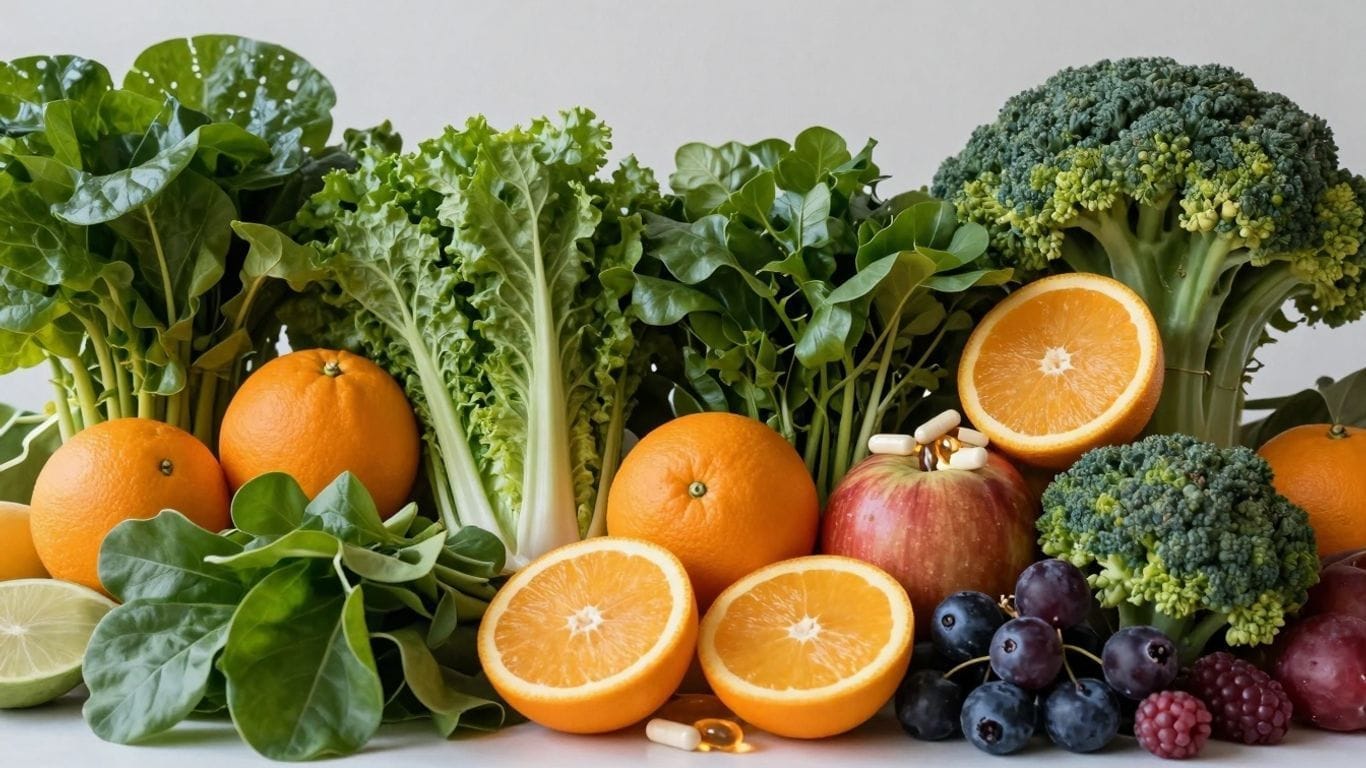
So, we've talked a lot about vitamins, but what about other things your body needs to help with weight loss? It turns out, it's not just about the A, B, C, and D's. There are other players in the game that can make a real difference. Think of it like building a house – you need the main structure, but you also need the wiring and plumbing to make it all work. These nutrients are kind of like that for your metabolism and fat-burning efforts.
Omega-3 Fatty Acids for Fat Burning
You've probably heard about omega-3s, often linked to heart health and brain function. But did you know they can also lend a hand in your weight loss journey? These healthy fats seem to help your body use fat for energy more effectively. They might also play a role in reducing inflammation, which, as we've touched on, can sometimes get in the way of losing weight. Getting enough omega-3s can be as simple as adding more fatty fish like salmon or mackerel to your diet, or opting for flaxseeds and walnuts. If fish isn't your thing, a good quality omega-3 supplement could be an option.
Probiotics for Gut Health and Nutrient Absorption
This one might surprise you, but your gut health is a pretty big deal when it comes to managing your weight. Your gut is home to trillions of bacteria, and when they're out of balance, it can affect how you digest food and absorb nutrients. Probiotics, which are the 'good' bacteria, can help restore that balance. A healthier gut might mean better nutrient absorption, which can help your body function more smoothly and potentially support your weight loss goals. You can find probiotics in fermented foods like yogurt, kefir, and sauerkraut, or through supplements.
Green Tea Extract and CLA for Enhanced Fat Metabolism
Let's talk about a couple of popular ingredients often found in weight management supplements: green tea extract and Conjugated Linoleic Acid (CLA). Green tea extract contains compounds like EGCG, which some studies suggest can give your metabolism a little nudge and help your body burn more fat, especially when combined with exercise. CLA, a type of fatty acid, has also been looked at for its potential to reduce body fat. While they aren't magic bullets, for some people, incorporating these might offer a bit of extra support alongside a healthy diet and exercise plan.
It's easy to get caught up in the idea that only a few specific things matter for weight loss. But the truth is, our bodies are complex systems. Supporting them with a range of nutrients, from vitamins to healthy fats and gut-friendly bacteria, creates a more robust environment for achieving your goals. Think about building a strong foundation rather than just focusing on one brick.
Here's a quick look at some sources:
Omega-3s: Fatty fish (salmon, mackerel, sardines), flaxseeds, chia seeds, walnuts.
Probiotics: Yogurt, kefir, sauerkraut, kimchi, kombucha, probiotic supplements.
Green Tea Extract: Found in green tea beverages and supplements.
CLA: Naturally found in small amounts in meat and dairy, also available in supplements.
Wrapping It Up
So, we've looked at how certain vitamins can give your weight loss journey a little extra push. It's not about finding a magic pill, but more about making sure your body has the right tools to work efficiently. Things like B vitamins for energy, Vitamin D for mood and fat storage, and Vitamin C for stress management can all play a part. Remember, these vitamins work best when they're part of a bigger picture that includes good food, moving your body, and getting enough sleep. If you're thinking about adding supplements, it's always a smart move to chat with your doctor first. They can help you figure out exactly what you might need and make sure it's the right choice for you.
Frequently Asked Questions
Vitamins can help your body work better by boosting your energy and metabolism, but they aren't magic pills. To lose weight, you still need to eat healthy foods and exercise regularly. Think of vitamins as helpful buddies for your weight loss journey, not the main drivers.
Generally, taking vitamins as recommended is safe. However, taking too much of any vitamin can cause problems. It's always a good idea to chat with a doctor before you start taking new vitamins to make sure they're right for you and you're taking the right amount.
Everyone's body is different, so results can vary. Some people might feel more energetic within a few weeks of taking vitamins regularly. For weight loss changes, it usually takes longer and depends on your diet, exercise, and overall health.
Eating a balanced diet with lots of different foods is the best way to get most of your vitamins. But sometimes, people might not get enough of certain vitamins due to picky eating, special diets, or other health reasons. In those cases, supplements can help fill the gaps.
It's smart to talk to a doctor or a registered dietitian. They can help you figure out if you're missing any key vitamins and suggest the best ones for your specific health goals and needs. They can also help you find out if a supplement is the right choice for you.
The B vitamins are super important for your metabolism because they help turn the food you eat into energy. Vitamin D is also important because it can help manage your mood and energy, which can indirectly help with weight loss efforts.


Disclaimer: The information provided on this site is intended for your general knowledge only and is not a substitute for professional medical advice or treatment for specific medical conditions. You should not use this information to diagnose or treat a health problem or disease without consulting with a qualified healthcare provider. Please consult your healthcare provider with any questions or concerns you may have regarding your condition. Your use of this website indicates your agreement to this websites published terms of use and all site policies.
All trademarks, registered trademarks and service-marks mentioned on this site are the property of their respective owners. © Copyrights 2025.