


Written By - Jemily Wood, RD - Registered Dietitian & Lead Reviewer
Wheat Bread and Weight Loss: What You Need to Know
Thinking about adding wheat bread to your diet for weight loss? It's a common question, and the answer isn't as simple as a 'yes' or 'no.' While bread often gets a bad rap when you're trying to shed pounds, certain types, like whole wheat, might actually offer some benefits. Let's break down what the science says about wheat bread and weight loss, and how it fits into the bigger picture of healthy eating.
Key Takeaways
Whole wheat bread, especially thinly sliced varieties, can be a good choice for weight loss due to its fiber content, which helps you feel full longer.
Choosing thinner slices of wheat bread helps manage calorie intake, making it easier to maintain a calorie deficit needed for weight loss.
The protein in whole wheat bread helps in satiety and helps preserve muscle mass, which is important for metabolism during weight loss.
While wheat bread can be part of a weight loss plan, overall calorie balance, sleep, stress management, and sustainable lifestyle changes are more critical for long-term success.
Compared to white bread, whole wheat bread offers more fiber and nutrients, making it a more supportive option for those aiming for weight loss.
Understanding Whole Wheat Bread's Role in Weight Loss
The Fiber Advantage for Satiety
Whole wheat bread is a bit of a superhero when it comes to feeling full. It's packed with fiber, which is pretty amazing for your digestive system and, importantly for us, for keeping hunger pangs at bay. Unlike white bread, which has had most of its fiber stripped away, whole wheat bread uses the entire grain. This means you get more of the good stuff that slows down digestion and makes you feel satisfied for longer. Think about it: when you eat something that keeps you feeling full, you're less likely to reach for extra snacks or bigger portions later on. That's a win for managing your calorie intake.
Whole Grains Versus Refined Grains
So, what's the big deal between whole grains and refined grains? Basically, whole grains are the complete package – they include the bran, the germ, and the endosperm. Refined grains, on the other hand, have had the bran and germ removed, which takes away a lot of the fiber and nutrients. When studies compare people eating whole grains versus refined grains, those who eat whole grains often see better results in terms of weight loss. It seems like the extra fiber and the texture of whole grains contribute to feeling more satisfied after meals. It's not just about the calories; it's about how your body processes the food and how it makes you feel.
Meeting Daily Fiber Recommendations
Most of us aren't getting enough fiber. The general advice is around 25 grams a day for women and 38 grams for men, but many people fall way short. Whole wheat bread can help bridge that gap. Two slices of thinly sliced whole wheat bread can give you about 4 to 6 grams of fiber, depending on the brand. That might not sound like a lot, but it adds up! Making simple swaps, like choosing whole wheat toast over white toast, is an easy way to boost your fiber intake without a ton of effort. It's a small change that can make a noticeable difference in your overall diet and how you feel throughout the day.
The Calorie Factor in Bread Choices
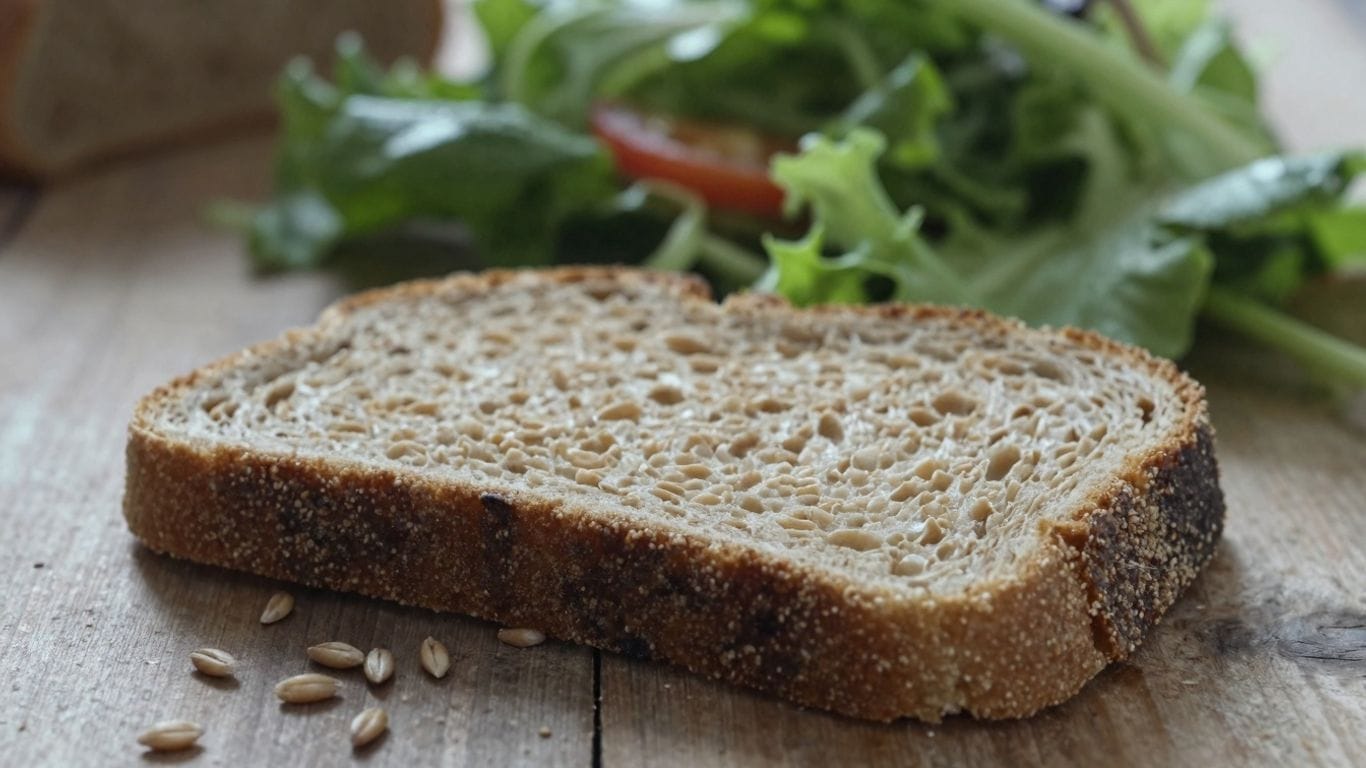
Okay, so we've talked about fiber, which is great, but let's get real: calories matter a whole lot when you're trying to shed some pounds. It's pretty simple, really – if you eat more calories than your body uses, you're likely to gain weight. No magic diet out there is going to change that basic fact. It all boils down to creating a calorie deficit, meaning you're burning more than you're taking in. This is where your bread choice can actually make a difference.
Calorie Deficit for Weight Management
Weight loss isn't about cutting out entire food groups or following some super restrictive plan. It's about managing your overall calorie intake. Think of it like a budget – you've got a certain amount of energy coming in, and your body needs a certain amount to function. When you consistently take in less than you need, your body starts using stored energy, which is how weight loss happens. So, while whole wheat bread has its benefits, it's still important to be mindful of how many slices you're eating.
Benefits of Thinly Sliced Bread
This is where thinly sliced bread can be a bit of a game-changer. You can still have your toast or your sandwich, but because the slices are thinner, you're automatically cutting down on calories. Standard bread slices can pack a surprising punch, sometimes 120-140 calories a pop. But those thinner slices? They might only be around 60-70 calories. That means a sandwich made with thinner bread could save you close to 100 calories without you even feeling like you're missing out.
Understanding Portion Sizes
It's not just about the type of bread, but also how much of it you're eating. Bread comes in all sorts of sizes and thicknesses, and the nutrition label is your best friend here. Knowing the calorie count per slice helps you figure out how to fit it into your meal plan without going overboard. It’s about making smart choices that fit your overall calorie goals.
Here's a quick look at how slice thickness can impact your calorie intake:
Bread Type
Standard Slice - 120-140 (Typical Calories Per Slice)
Thinly Sliced - 60-70 (Typical Calories Per Slice)
Being aware of portion sizes is key. It's easy to grab a couple of slices without thinking, but understanding the calorie difference between a standard and a thinly sliced piece can help you make more informed decisions throughout the day.
Protein Power in Whole Wheat Bread
The Protein's Impact on Fullness
So, we've talked a lot about fiber, but let's not forget about protein. Whole wheat bread actually packs a decent amount of protein, especially when you compare it to its white bread cousin. This protein content is a real bonus for weight loss because it helps you feel fuller for longer. Think about it – when you're satisfied after a meal, you're less likely to reach for snacks an hour later. Protein takes more effort for your body to break down than carbs or fats, which means it keeps you feeling full and content. It's like giving your stomach a little nudge to say, 'Okay, we're good for now.'
Preserving Muscle Mass During Weight Loss
This is a big one. When you're trying to shed pounds, you want to lose fat, not muscle. Losing muscle can actually slow down your metabolism, which is the opposite of what you want. Protein plays a key role in helping your body hold onto that lean muscle mass while you're in a calorie deficit. So, that bit of protein in your whole wheat toast isn't just about feeling full; it's also about keeping your body's engine running efficiently.
Boosting Protein with Toppings
While whole wheat bread offers some protein on its own, you can really amp it up. A couple of slices of thinly sliced whole wheat bread might give you around 6 grams of protein, which is similar to what you'd find in a large egg. But why stop there? Think about what you put on your bread. Spreading some peanut butter, adding a slice of cheese, or topping it with tuna salad can significantly increase the protein in your meal. This makes your snack or meal even more satisfying and helps keep those hunger pangs at bay.
Here's a quick look at how protein stacks up:
Food Item (Approx. Serving)
2 slices thinly sliced whole wheat bread - 6 Protein (grams)
1 large egg - 6 Protein (grams)
2 tablespoons peanut butter - 8 Protein (grams)
1 ounce cheddar cheese - 7 Protein (grams)
Remember, weight loss is a marathon, not a sprint. Focusing on nutrient-dense foods that keep you satisfied, like whole wheat bread paired with protein-rich toppings, can make a big difference in sticking to your goals.
Beyond Bread: Holistic Weight Loss Strategies
Look, focusing just on bread, even whole wheat, is like trying to build a house with only one tool. It’s just not going to work long-term. Real, lasting weight loss is about looking at the whole picture, not just what’s on your plate. It’s about making changes that stick, not just quick fixes.
The Importance of Sleep for Metabolism
Seriously, don't underestimate sleep. Getting enough shut-eye, usually around seven to nine hours for most adults, is super important for your metabolism. When you're sleep-deprived, your body can get out of whack, messing with the hormones that control hunger and fullness. This can lead to cravings for less healthy foods and make it harder to manage your weight. Trying to go to bed and wake up around the same time each day can really help regulate your body's natural rhythms.
Shifting Focus Beyond the Scale
It's easy to get fixated on the number on the scale, but honestly, it's not the whole story. Your weight can fluctuate daily due to water retention, muscle gain, and other factors. Instead of obsessing over the scale, try paying attention to how you feel. Are you sleeping better? Do you have more energy? Are your clothes fitting differently? Tracking these kinds of changes can be way more motivating and give you a better sense of your overall progress.
Embracing Small, Sustainable Changes
Trying to overhaul your entire life overnight is a recipe for burnout. The most successful weight loss journeys are built on small, manageable steps. Think about adding one extra serving of vegetables to your dinner, swapping out sugary drinks for water, or going for a short walk each day. These little wins add up. It’s about building healthier habits that you can actually keep up with, rather than following a restrictive plan that feels impossible to maintain.
Comparing Wheat Bread to Other Options
The Downsides of White Bread
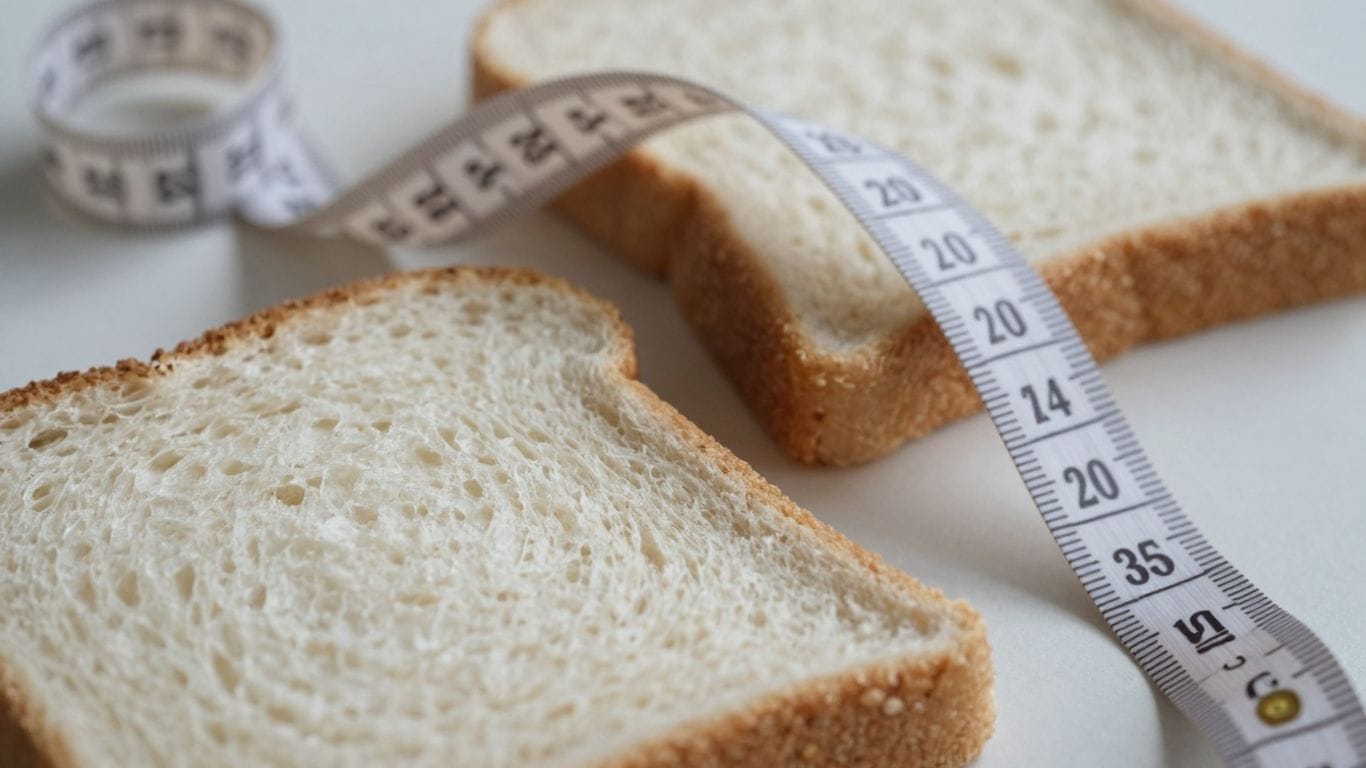
White bread, the kind most of us grew up with, is made from refined grains. This means the bran and germ, which contain most of the fiber and nutrients, are stripped away during processing. What's left is mostly the starchy endosperm. Because it lacks fiber, white bread can cause your blood sugar to spike and then crash, leaving you feeling hungry again pretty quickly. This can make it harder to stick to a calorie deficit, which is key for weight loss. Plus, it doesn't offer the same feeling of fullness that whole grains do.
Nutrient-Rich Alternatives
While whole wheat is a great choice, it's not the only game in town when you're looking for bread that supports weight loss. Think about other whole grains like rye, spelt, or even sprouted grain breads. These often pack a good amount of fiber and can offer a slightly different nutrient profile. Some breads are also fortified with extra vitamins and minerals. It's always a good idea to check the nutrition label. Look for breads where the first ingredient is a whole grain and aim for at least 3 grams of fiber per slice.
Here's a quick look at what you might find:
Whole Wheat Bread: Typically 3-5g fiber per 2 slices. Good source of B vitamins.
Rye Bread: Can be high in fiber (4-6g per 2 slices), especially if it's dense and dark.
Sprouted Grain Bread: Often has a good fiber content and can be easier to digest for some people.
Oat Bread: Can offer soluble fiber, which is great for heart health and satiety.
Considering Gluten Sensitivities
Now, what if you have a sensitivity to gluten, which is found in wheat, barley, and rye? That doesn't mean you have to give up bread entirely. There are plenty of gluten-free options available. These are usually made from flours like rice, almond, tapioca, or corn. While some gluten-free breads can be lower in fiber and higher in refined starches, many brands are now making much better, more nutrient-dense versions. You just have to read the labels carefully. Some gluten-free breads might not provide the same satiety benefits as whole wheat, so pairing them with protein and healthy fats is even more important to keep you full.
When choosing any bread for weight loss, the goal is to find options that keep you feeling satisfied for longer. This usually means looking for higher fiber content and a decent amount of protein. It's about making smart swaps that fit into your overall eating plan, not about deprivation.
So, Can Wheat Bread Help You Lose Weight?
Alright, so after all that, can that slice of whole wheat bread actually help you shed some pounds? The short answer is: it can, but it's not magic. Choosing thinly sliced whole-wheat bread is a smart move because it packs more fiber and protein, which keeps you feeling full longer. Plus, the thinner slices mean fewer calories per serving. But remember, weight loss is a bigger picture. It’s about your whole diet, getting enough sleep, moving your body, and managing stress. So, while whole wheat bread can be a good part of your plan, it’s just one piece of the puzzle. Don't ditch your favorite foods entirely; just make smarter choices, like opting for whole grains when you can.
Frequently Asked Questions
Yes, whole wheat bread can be a helpful part of a weight loss plan. It's packed with fiber, which makes you feel full longer, and it has more protein than white bread. This means you're less likely to overeat. Plus, choosing thinly sliced versions helps manage calories.
Fiber is like a super-helper for weight loss! It slows down how quickly your stomach empties, so you feel satisfied for a longer time. This helps prevent you from snacking too much or eating extra calories because you're not constantly hungry.
Not exactly. While most whole wheat breads are better than white bread, look for ones that are 100% whole wheat. Also, thinly sliced bread is a great choice because it has fewer calories per slice, making it easier to control your intake while still enjoying your sandwich or toast.
Absolutely! Weight loss is mostly about balancing the calories you eat with the calories you burn. Cutting out entire food groups, like bread, isn't usually necessary or sustainable. The key is to choose wisely, like opting for whole wheat, and to eat it in moderation as part of a balanced diet.
Whole wheat bread uses the entire grain, including the bran and germ, which means it keeps all its natural fiber and nutrients. White bread has these parts removed, making it less filling and less nutritious. Think of whole wheat as the 'complete' version and white as the 'stripped-down' version.
Weight loss is a journey with many parts! Getting enough sleep is crucial because it helps your body's metabolism work right and controls hunger. It's also helpful to focus on making small, steady changes rather than trying to do everything at once, and not obsessing over the number on the scale.



Disclaimer: The information provided on this site is intended for your general knowledge only and is not a substitute for professional medical advice or treatment for specific medical conditions. You should not use this information to diagnose or treat a health problem or disease without consulting with a qualified healthcare provider. Please consult your healthcare provider with any questions or concerns you may have regarding your condition. Your use of this website indicates your agreement to this websites published terms of use and all site policies.
All trademarks, registered trademarks and service-marks mentioned on this site are the property of their respective owners. © Copyrights 2025.