


Written By - Jemily Wood, RD - Registered Dietitian & Lead Reviewer
Effective Workouts for Lose Belly Fat | A Comprehensive Guide
Trying to shed that stubborn belly fat can feel like a real uphill battle, right? You see all sorts of ads and articles promising quick fixes, but the reality is, it takes a smart approach. It’s not just about endless crunches; it’s a mix of how you move, what you eat, and how you live. This guide cuts through the noise to give you a straightforward plan for effective workouts for lose belly fat, focusing on what actually works to help you see real results.
Key Takeaways
Focus on full-body workouts instead of trying to target just one area, as spot reduction isn't effective for losing fat.
Combine high-intensity interval training (HIIT) with strength training for the best results, burning calories during workouts and building muscle that burns more later.
Remember that sleep, managing stress, and staying hydrated play a big role in how well your body loses fat.
Building muscle through strength training helps your body burn more calories even when you're not exercising, which aids in overall fat loss.
Consistency is more important than intensity; find workouts you enjoy and can stick with long-term to achieve lasting results.
Understanding Belly Fat and How to Target It

What Constitutes Belly Fat?
So, you're looking to tackle that stubborn belly fat. It's a common goal, and understanding what we're dealing with is the first step. Belly fat isn't just one thing; it's generally categorized into two main types. First, there's subcutaneous fat. This is the layer you can actually pinch, sitting just beneath your skin. It's the most visible kind. Then, there's visceral fat. This type is much more concerning because it's stored deeper inside your abdominal cavity, surrounding your organs. While subcutaneous fat might be what you see in the mirror, visceral fat is the one that really impacts your health.
The Risks Associated with Visceral Fat
This deeper, visceral fat is a bit of a troublemaker. It's not just about fitting into your favorite jeans; it's linked to some pretty serious health issues. Think increased risks for things like heart disease, type 2 diabetes, and even certain types of cancer. It can also mess with your blood pressure and cholesterol levels. The good news is that visceral fat tends to be more responsive to lifestyle changes, including exercise and diet, than subcutaneous fat. So, focusing on reducing it is a win-win for both your appearance and your long-term well-being. It's definitely worth paying attention to.
Why Spot Reduction Is a Myth
Now, let's talk about a common misconception: spot reduction. You might have heard that you can do a million crunches and magically melt fat just from your stomach. Unfortunately, that's not how our bodies work. You can't pick and choose exactly where you lose fat. When you exercise and create a calorie deficit, your body decides where to pull that energy from. While core exercises are great for strengthening your abdominal muscles and improving posture, they won't specifically burn the fat around those muscles. To reduce belly fat, you need a strategy that tackles overall body fat. This means combining regular physical activity with a healthy diet. For effective belly fat reduction, consider incorporating exercises like plank, mountain climbers, and bicycle crunches into your routine, as they engage your core and contribute to overall fitness.
Cardiovascular Workouts for Burning Belly Fat
Okay, so you want to tackle that belly fat, right? Cardio is definitely a big piece of the puzzle. It's not about doing endless crunches, though. We're talking about getting your heart rate up and burning calories overall. When you burn fat from your whole body, that includes the stubborn stuff around your middle.
The Power of High-Intensity Interval Training (HIIT)
This is where things get interesting. HIIT involves short bursts of really intense exercise followed by brief recovery periods. Think sprinting for 30 seconds, then walking for a minute, and repeating that. It's tough, but it's super effective because it keeps your body burning calories even after you've finished your workout. This is often called the 'afterburn effect'.
Here’s a quick HIIT idea you can try:
Round 1: 1 minute of jumping jacks, 30 seconds rest.
Round 2: 1 minute of high knees, 30 seconds rest.
Round 3: 1 minute of burpees, 1 minute rest.
Repeat this whole circuit 3-4 times. It really gets your heart pumping and works a lot of muscles at once.
Remember, the goal with HIIT isn't just to burn calories during the session, but to keep that metabolic rate elevated for hours afterward. It's a time-efficient way to make a big impact.
Incorporating Steady-State Cardio
While HIIT is great, don't discount good old steady-state cardio. This is your more traditional cardio, like jogging, cycling, or swimming at a consistent pace for a longer duration. It's fantastic for burning calories and is generally easier on your body than HIIT, making it a good option for most days of the week. Aiming for about 150 minutes of moderate-intensity cardio each week is a solid target. That breaks down to about 30 minutes, five days a week. It might not give you that same intense afterburn as HIIT, but it's a reliable way to chip away at overall body fat.
Effective Cardio Machines for Fat Loss
If you're hitting the gym or have some equipment at home, certain machines are particularly good for fat burning. The treadmill, especially when you add an incline, can be a killer for calorie burn. The elliptical offers a lower-impact option that still gets your heart rate up and works your whole body. A rowing machine is another excellent choice, providing a full-body workout that torches calories. Even a stationary bike can be surprisingly effective, especially if you incorporate some interval training into your ride.
The key is to find a machine you enjoy enough to use consistently.
Here's a quick look at some popular choices:
Machine
Treadmill - Great for calorie burn, especially with incline.
Elliptical - Low-impact, full-body workout.
Rowing Machine - Excellent full-body engagement, high calorie burn.
Stationary Bike - Good for steady-state or interval training.
Strength Training's Role in Fat Reduction
Okay, so we've talked about cardio, but what about hitting the weights? You might think lifting heavy stuff is just for bodybuilders, but honestly, it's a super effective way to help shed that stubborn belly fat. When you lift weights, you're not just getting stronger; you're actually building muscle. And here's the cool part: muscle tissue burns more calories than fat tissue, even when you're just chilling on the couch. So, the more muscle you have, the more calories your body uses up throughout the day, which is a big win for fat loss.
Building Muscle to Boost Metabolism
Think of your metabolism like your body's engine. The more muscle you build through strength training, the bigger and more efficient that engine becomes. This means your body is working harder to keep itself running, burning more calories 24/7. It's not about getting huge; it's about creating a body that's a more efficient calorie-burning machine. This is why strength training is so important for long-term fat management and improving your overall body composition. It's a key component in helping your body manage body composition.
Compound Exercises for Full-Body Engagement
When you're looking to torch calories and build muscle efficiently, you want to focus on compound exercises. These are movements that work multiple muscle groups all at once.
Instead of doing a bunch of isolation exercises, like just bicep curls, you'll do things like:
Squats
Deadlifts
Push-ups
Lunges
Overhead presses
These big, multi-joint movements recruit a lot of muscle fibers, meaning they burn more calories during your workout and create a greater metabolic effect afterward. Plus, they help you build functional strength that translates to everyday life.
Core Strengthening for Stability and Posture
Now, about those crunches. While doing endless crunches won't magically melt belly fat (remember, spot reduction is a myth!), a strong core is still super important. Your core muscles – your abs, obliques, and lower back – are like the powerhouse of your body. They help with almost every movement you make, from picking up groceries to performing those compound lifts we just talked about. Strengthening your core improves your posture, helps prevent back pain, and gives you a more stable base for all your other exercises. As you lose overall body fat, a strong core will also help reveal a more toned and defined midsection.
Building a strong foundation with compound movements and dedicated core work is key.
It's not just about looking good; it's about creating a body that functions well and is resilient.
This approach helps you burn more calories during your workouts and boosts your resting metabolism, making fat loss a more sustainable process over time.
At-Home Routines for Belly Fat Loss
No-Equipment HIIT Moves
Don't have a gym membership or fancy equipment? No problem! You can torch belly fat right in your living room. High-Intensity Interval Training, or HIIT, is your best friend here. It's all about short bursts of really hard work followed by brief recovery periods. This method gets your heart rate up fast and keeps your metabolism humming long after you've finished. Think of it as a super-efficient way to burn calories without needing anything but your own body.
Here's a sample routine you can try. Aim to do each exercise with maximum effort for 30 seconds, then rest for 30 seconds before moving to the next. Complete the whole circuit 3-4 times.
High Knees: March or run in place, bringing your knees up towards your chest as high as you can. Pump your arms to add intensity.
Mountain Climbers: Start in a plank position. Bring one knee towards your chest, then quickly switch legs, as if you're running in place while in a plank.
Burpees: This is a full-body killer. Start standing, drop into a squat, kick your feet back into a plank, do a push-up (optional), bring your feet back to the squat, and then jump up explosively.
Jumping Jacks: A classic for a reason. Get your arms and legs moving in that familiar pattern.
The key is to push yourself during those 30-second intervals. It should feel challenging, not easy.
Bodyweight Strength Exercises
While cardio is great for burning calories, building muscle is what really revs up your metabolism for the long haul. And guess what? You don't need weights to build muscle. Bodyweight exercises use your own body as resistance, and they can be surprisingly tough.
Focusing on compound movements – exercises that work multiple muscle groups at once – is the most efficient way to go. These moves mimic real-life activities and give you the most bang for your buck.
Squats: Stand with your feet shoulder-width apart. Lower your hips as if you're sitting back into a chair, keeping your chest up and back straight. Go as low as you can comfortably, then push back up through your heels.
Lunges: Step forward with one leg, lowering your hips until both knees are bent at about a 90-degree angle. Make sure your front knee stays behind your toes. Push off your front foot to return to the starting position, then repeat on the other side.
Push-ups: Start in a plank position with your hands slightly wider than shoulder-width apart. Lower your chest towards the floor, keeping your body in a straight line. Push back up. If regular push-ups are too hard, you can do them on your knees.
Plank: Hold a push-up position, but rest on your forearms instead of your hands. Keep your body in a straight line from head to heels, engaging your core. Aim to hold for 30-60 seconds.
These exercises work your legs, glutes, chest, shoulders, arms, and core all at once. Try doing 3 sets of 10-15 repetitions for each exercise.
Making Home Workouts Engaging
Let's be real, working out at home can get boring. Staring at the same four walls can make motivation dip faster than a leaky faucet. The trick is to keep things fresh and fun. Variety is your secret weapon against workout fatigue.
Here are a few ideas to spice things up:
Turn on some music: Create a playlist that gets you pumped up. Upbeat tunes can make a huge difference in how you feel during a workout.
Try workout videos: There are tons of free videos online for everything from HIIT to yoga to dance cardio. Following along with an instructor can be motivating and help you learn new moves.
Make it a challenge: Challenge a friend or family member to do the workouts with you. You can even do friendly competitions, like who can hold a plank the longest.
Incorporate everyday activities: Use stairs in your home for an extra cardio boost, or turn cleaning into a mini-workout by moving with more energy.
Remember, consistency is more important than intensity when you're starting out. Even short, regular workouts at home can lead to significant changes over time. Don't aim for perfection; aim for progress. Find what works for you and stick with it.
Lifestyle Factors Supporting Fat Loss
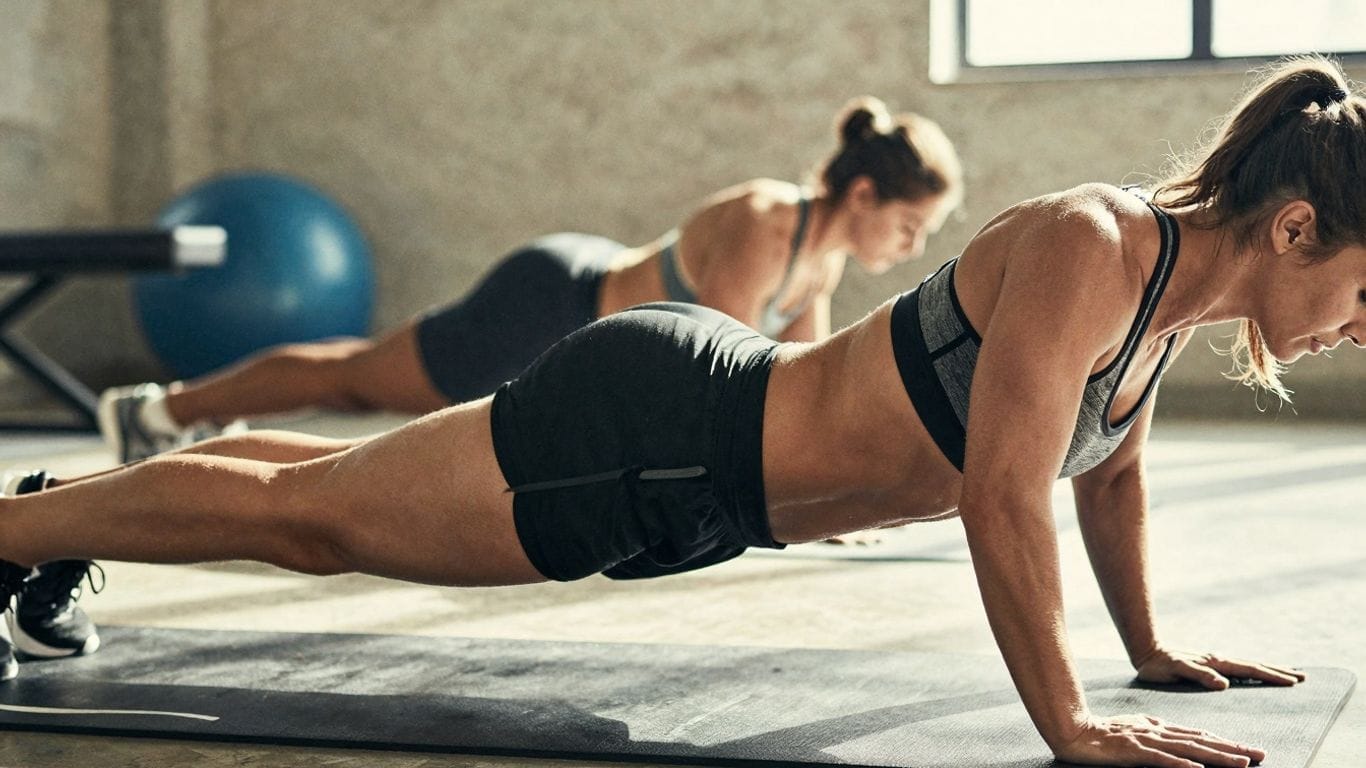
Look, we all know working out is a big part of shedding that stubborn belly fat. But honestly, what you do when you're not at the gym or doing your home routine matters just as much, if not more. Think of your workouts as the spark, but your daily habits are what really fuel the fire for fat loss. It's about creating an environment where your body can actually do its best work.
The Importance of Sleep and Stress Management
Let's talk sleep first. It's not just about feeling rested; it's when your body does a lot of its repair work. When you're not getting enough quality sleep – and for most adults, that's around seven to nine hours – your hormones can get a bit out of whack. You might find yourself craving junk food more often because the hormones that tell you you're full (leptin) go down, and the ones that make you feel hungry (ghrelin) go up. Plus, poor sleep can mess with your recovery, making those tough workouts feel even tougher.
Then there's stress. We all have it, right? But when you're constantly stressed, your body pumps out a hormone called cortisol. While it's useful in small doses, high levels of cortisol over time can actually signal your body to hold onto fat, especially around your midsection. It can also make it harder to sleep and recover, creating a bit of a vicious cycle. Finding ways to chill out, even for a few minutes each day, can make a real difference. Maybe it's a short walk, listening to music, or just taking some deep breaths.
Hydration's Impact on Workouts
Don't underestimate the power of water! It sounds simple, but staying properly hydrated is super important for fat loss. Your metabolism needs water to work efficiently. If you're even a little bit dehydrated, your metabolism can slow down, and you'll probably feel more tired, which isn't ideal when you're trying to push yourself.
Here's a quick look at why water is your friend:
Metabolic Function: Water is needed for nearly all bodily processes, including burning calories.
Energy Levels: Dehydration can lead to fatigue, making workouts feel harder.
Hunger Cues: Sometimes, thirst can feel like hunger. Drinking water can help you distinguish between the two.
Workout Performance: Staying hydrated helps you perform better during your exercise sessions.
Keep a water bottle handy and sip throughout the day, especially before, during, and after your workouts. You'll likely notice a difference in how you feel and perform.
Tracking Progress for Consistency
It's easy to get discouraged if you're not seeing results right away, which is why keeping track of things can be really helpful. It's not about obsessing over every single detail, but more about getting a general idea of what's working and what's not.
What to consider tracking:
Workouts: Note down the type of exercise, how long you did it, and how intense it felt. This helps you see if you're progressing.
Food Intake: A simple log of what you eat can highlight patterns, like if you tend to overeat certain foods or if you're getting enough protein and fiber.
Sleep: Jotting down how many hours you slept and how you felt upon waking can connect sleep quality to your energy levels and cravings.
Measurements: Besides the scale, taking body measurements (like waist circumference) can show changes that the scale might miss.
Seeing your progress laid out can be a huge motivator. It helps you stay consistent because you can see the effort you're putting in and how it's paying off over time. Plus, if you hit a plateau, looking at your logs can help you figure out what adjustments you might need to make.
Maximizing Your Workout Effectiveness
So, you've been hitting the gym, doing your cardio, maybe even some strength training. That's awesome! But are you getting the most out of every sweat session? It's not just about showing up; it's about working smart. Combining different training styles and paying attention to the details is key to seeing real results, especially when you're aiming to lose belly fat.
Combining Cardio and Strength Training
Think of cardio and strength training as a dynamic duo for fat loss. Cardio, especially high-intensity interval training (HIIT), is fantastic for burning a ton of calories in a short amount of time. It gets your heart pumping and your metabolism revved up. On the other hand, strength training builds muscle. More muscle means a higher resting metabolism, so you're burning more calories even when you're just chilling on the couch. The real magic happens when you blend them. You can do this by alternating days, or even better, by incorporating strength moves into your cardio circuits. This approach helps you burn fat during your workout and keeps your body in fat-burning mode afterward.
Progressive Overload and Intensity
Your body is pretty clever; it adapts. If you do the same workout day in and day out, you'll eventually hit a plateau. To keep making progress, you need to challenge your body a bit more over time. This is called progressive overload. It doesn't mean you have to go crazy with heavier weights every single time. You can increase the number of reps, shorten rest periods, or try a more challenging variation of an exercise. The goal is to consistently give your body a reason to adapt and get stronger. Pushing yourself safely, especially during those intense cardio bursts, is what drives those fat-burning adaptations.
Listening to Your Body for Recovery
This might sound counterintuitive when we're talking about pushing harder, but recovery is just as important as the workout itself. Your muscles actually repair and grow stronger after you've finished exercising. If you're constantly going all-out without giving your body a chance to recover, you risk burnout, injury, and stalled progress. That means scheduling rest days is non-negotiable. Active recovery, like a light walk or some stretching, can be beneficial on those days. More importantly, pay attention to what your body is telling you. Sharp or persistent pain is a signal to back off and give yourself time to heal. It's about finding that sweet spot between challenging yourself and overdoing it.
Here's a quick look at how to structure your week:
Monday: Strength Training (Full Body)
Tuesday: HIIT Cardio
Wednesday: Active Recovery (e.g., long walk, yoga)
Thursday: Strength Training (Focus on different muscle groups)
Friday: Mixed Cardio & Strength Circuit
Saturday: Rest or Light Activity
Sunday: Rest
Remember, consistency is more important than perfection. Even if you miss a workout or have an off day, just get back on track with your next planned session. Small, consistent efforts add up over time.
Wrapping It Up
So, we've gone over a bunch of ways to tackle that stubborn belly fat. Remember, it's not just about doing a million crunches. It's really about a mix of things: getting your heart rate up with cardio, building some muscle with strength training, and honestly, just taking care of yourself with good sleep and less stress. Don't expect overnight results, because that's not how it works. Stick with it, find exercises you actually don't hate, and be patient. You've got this!
Frequently Asked Questions
Unfortunately, you can't pick and choose where your body loses fat. Doing lots of crunches won't magically melt fat off your stomach. Fat loss happens all over your body when you burn more calories than you eat. But, strengthening your core muscles with exercises like planks is still super important for a strong body and good posture. As you lose fat overall, those strong abs will start to show!
Unfortunately, you can't pick and choose where your body loses fat. Doing lots of crunches won't magically melt fat off your stomach. Fat loss happens all over your body when you burn more calories than you eat. But, strengthening your core muscles with exercises like planks is still super important for a strong body and good posture. As you lose fat overall, those strong abs will start to show!
The most effective way to lose belly fat is to combine different types of exercise. High-intensity interval training (HIIT) burns a lot of calories quickly and keeps your body burning them even after you finish. Strength training is also key because building muscle helps your body burn more calories all day long, even when you're resting. Doing both cardio and strength training gives you the best results.
For most people, doing high-intensity workouts about three to four times a week is a good goal. This gives your body a good challenge to help you see results, but also gives it enough time to rest and get stronger. The most important thing is to be consistent. Find a schedule that works for you and listen to your body. If you're feeling really sore or tired, it's okay to take an extra rest day.
There are plenty of great exercises you can do at home! Moves like high knees, jumping jacks, burpees, and mountain climbers get your heart rate up and work your whole body. You can also do bodyweight strength exercises like squats, lunges, push-ups, and planks. Doing these in circuits, where you do one exercise after another with short rests, can be a really effective way to burn fat.
What you do outside of your workouts matters a lot! Getting enough quality sleep (about seven hours a night) is crucial because lack of sleep can make you store more belly fat. Managing stress is also important, as stress can lead to weight gain. Drinking enough water helps your body work properly and makes your workouts more effective. Eating healthy foods, especially those with lots of fiber and less sugar, also plays a huge role.
There are two main types of belly fat. Subcutaneous fat is the kind that's just under your skin, and you can often pinch it. The other type is visceral fat, which is deeper inside your belly and surrounds your organs. Visceral fat is more dangerous for your health because it's linked to serious problems like heart disease and diabetes. The good news is that visceral fat is often the first to go when you start exercising and eating healthier.


Disclaimer: The information provided on this site is intended for your general knowledge only and is not a substitute for professional medical advice or treatment for specific medical conditions. You should not use this information to diagnose or treat a health problem or disease without consulting with a qualified healthcare provider. Please consult your healthcare provider with any questions or concerns you may have regarding your condition. Your use of this website indicates your agreement to this websites published terms of use and all site policies.
All trademarks, registered trademarks and service-marks mentioned on this site are the property of their respective owners. © Copyrights 2025.