


Written By - Jemily Wood, RD - Registered Dietitian & Lead Reviewer
How to Get a Flat Stomach? | Unlock Your Flattest Stomach
So, you want to know how to get a flat stomach? It's a common goal, and honestly, it's not as complicated as some make it out to be. Forget those quick fixes that never stick. We're talking about making real changes that last. It's about feeding your body right, helping your gut do its thing, moving more, and just generally taking better care of yourself. Let's break down some simple, proven ways to get you closer to that flatter midsection you're after.
Key Takeaways
Focus on eating foods high in fiber, like fruits and vegetables, and cut back on processed items and sugary treats.
Pay attention to your digestion by ruling out food sensitivities and considering aids like digestive enzymes if needed.
Get your body moving regularly through exercise, or even just incorporating more standing throughout your day.
Practice mindful eating by slowing down your meals and chewing thoroughly to help with digestion.
Manage stress and ensure you're getting enough sleep, as both play a big role in how your body stores fat.
Nourish Your Body For A Flatter Midsection
What you eat plays a huge role in how flat your stomach looks and feels. It's not just about cutting calories; it's about choosing foods that help your body work better, especially when it comes to digestion and reducing bloat.
Prioritize Fiber-Rich Foods
Fiber is your friend when you're aiming for a flatter tummy. It helps keep things moving smoothly through your digestive system, which can prevent that uncomfortable bloated feeling. Plus, fiber makes you feel full longer, which can help with managing your weight.
Fruits: Berries, apples, pears
Vegetables: Broccoli, Brussels sprouts, leafy greens
Legumes: Beans, lentils, chickpeas
Whole Grains: Oats, quinoa, brown rice
Make sure you're drinking enough water when you increase your fiber intake, otherwise, it can actually have the opposite effect and cause constipation.
Limit Alcohol Intake
Alcohol can be a real sneaky saboteur of your flat stomach goals. It's often high in calories and can irritate your digestive tract, leading to bloating and inflammation. For some people, alcohol can also mess with how your body processes food and stores fat, sometimes leading to more fat settling around your middle.
Cutting back on alcohol isn't just about reducing empty calories; it's about giving your digestive system a break and allowing your body to function more efficiently. Even moderate drinking can have an impact on how you feel and look.
Reduce Consumption Of Processed Foods
Highly processed foods are often loaded with sodium, unhealthy fats, and added sugars. Sodium, in particular, can cause your body to retain water, making you feel puffy and bloated. These foods also tend to be low in fiber and nutrients, meaning they don't keep you full and can lead to overeating.
Think about swapping out:
White bread for whole-grain bread
Sugary cereals for oatmeal
Chips and crackers for nuts and seeds
Pre-packaged meals for home-cooked dishes
This article covers 32 foods that burn belly fat fast and explains how they can support a balanced, weight loss friendly diet.
Tame Your Sweet Tooth
Sugary treats are another common culprit behind belly bloat and unwanted weight gain. High sugar intake can feed bad bacteria in your gut, leading to gas and discomfort. It also often leads to a cycle of cravings that can be hard to break.
Try these strategies to manage your sugar cravings:
Opt for fruit: When you crave something sweet, reach for a piece of fruit instead of candy or cookies. The natural sugars in fruit come with fiber, which helps balance things out.
Stay hydrated: Sometimes thirst can masquerade as a sugar craving. Drink a glass of water first and see if the craving passes.
Chew gum: Sugar-free gum can help satisfy an oral fixation and keep your mouth busy, potentially distracting you from a sweet craving.
Optimize Digestion For A Bloat-Free Belly
Feeling like you're carrying around a balloon in your belly? You're not alone. Bloating can be super uncomfortable and make your stomach feel anything but flat. The good news is, a lot of this has to do with how your digestive system is working (or not working!). Let's look at some ways to get things moving smoothly.
Rule Out Food Intolerances
Sometimes, certain foods just don't agree with us. Things like lactose or gluten can cause a lot of gas and bloating for some people. If you think a food might be causing issues, it's a good idea to chat with a doctor or a dietitian. Keeping a log of what you eat and how you feel afterward can really help pinpoint the culprit, especially since reactions aren't always immediate. It might take a few days to notice a problem, so tracking is key.
Consider Digestive Enzymes
These little helpers can make a big difference, especially if you eat foods like beans or certain vegetables that tend to cause gas. Enzymes can help break down these foods better. Talking to a registered dietitian can help you figure out if something like alpha-galactosidase or lactase might be right for you. They can also help you understand why you might be reacting to certain foods in the first place. It's all about finding what works for your unique body.
Rub Your Belly For Relief
This sounds simple, but a gentle belly rub can actually help. Massaging your abdomen in a clockwise direction can stimulate the muscles in your gut. This helps move gas and stool along, which can bring some much-needed relief from that bloated feeling. Just place your hands above your right hip and work your way up, across, and down. It’s a natural way to encourage your digestive system to keep things moving.
Stick To A Bathroom Schedule
Okay, this might not be the most glamorous topic, but it's important. Setting aside a specific time each day to use the bathroom is really helpful. When we ignore the urge to go, it can lead to constipation and, you guessed it, more bloating. Training your body to have a regular routine can make a big difference in keeping things regular and comfortable. Sometimes, even ditching tight clothing can help things move more easily through your system.
Getting your digestion in check is a major step toward a flatter stomach. It's not just about what you eat, but how your body processes it. Paying attention to these signals and making small adjustments can lead to significant comfort and a less bloated appearance.
Incorporate Movement Into Your Day
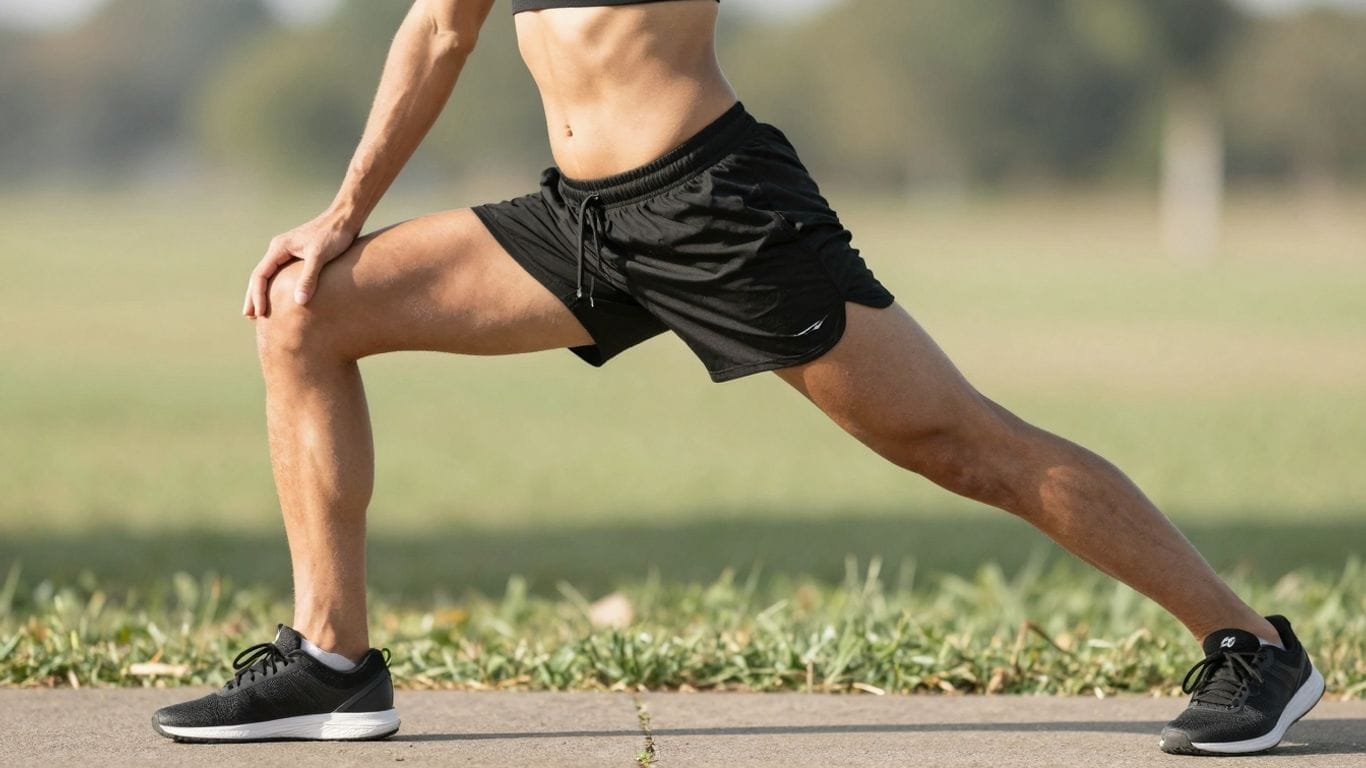
Okay, so we've talked about what you eat and how you digest it, but what about actually moving your body? It might sound obvious, but getting active is a big deal when it comes to a flatter stomach. It's not just about looking good, though; it really helps your insides work better too. Incorporating strength training for weight loss into your routine can help build lean muscle and boost metabolism for long-term fat loss.
Engage In Regular Exercise
This is probably the one you expected. Regular exercise does a lot more than just burn calories. It helps get your digestive system moving, which can seriously cut down on bloating. Even a brisk 30-minute walk each day can make a difference. Studies show that people who started walking more saw their waistlines shrink. Plus, moving your body is just good for your mood and overall health. The trick is finding something you actually like doing, so you stick with it. Whether it's hitting the gym, going for runs, or dancing in your living room, consistency is key. Learn how to get rid of back fat with simple exercises and effective lifestyle changes that target stubborn fat.
Embrace The Hula Hoop
Seriously, don't dismiss the hula hoop! It's not just a childhood toy. Some research found that people who used a weighted hula hoop for just a few minutes a day, gradually adding more time, saw a reduction in belly fat and an increase in muscle in their midsection within weeks. It's a fun way to get your core working without feeling like you're doing a chore.
Incorporate More Standing
We sit a lot, right? Turns out, all that sitting isn't great for our middles. You don't need to ditch your chair entirely, but swapping just an hour of sitting for standing each workday can help reduce your waist circumference. It's a simple change that can add up. Maybe set a timer to stand up and stretch every hour, or try a standing desk if that's an option for you. Your body will thank you.
Moving your body, in whatever form you enjoy, is a powerful tool for both your physical appearance and your internal health. It aids digestion, burns fat, and boosts your mood. Find ways to add more activity, big or small, into your daily routine. This article outlines effective workouts for lose belly fat that focus on increasing calorie burn and strengthening the core.
Cultivate Mindful Eating Habits
Sometimes, it feels like we just inhale our food, right? You're busy, you're stressed, and before you know it, your plate is clean and you barely remember tasting it. This is where mindful eating comes in. It's not about dieting; it's about paying attention to your food and your body's signals. Paying attention to how, when, and why you eat can make a big difference in how you feel and look.
Eat Slower And Chew Thoroughly
Think about it: your stomach doesn't have teeth. When you rush through a meal, you're not giving your body a fair chance to break down that food properly. This can lead to gas, indigestion, and that uncomfortable, bloated feeling. Plus, eating fast means you're more likely to swallow air, which just adds to the problem. Try to slow down. Aim to chew each bite at least 10 times. It sounds like a lot, but it really helps your digestive system get to work. It also gives your brain time to catch up and signal that you're full, preventing overeating. It's a simple change that can have a big impact on your digestion and how much you eat.
Switch To A Smaller Plate
This one's a bit of a mind trick, but it works. When you use a smaller plate, your meal naturally looks bigger. It tricks your brain into thinking you're eating more than you actually are. This can help you manage portion sizes without feeling deprived. It's a great way to start eating less without feeling like you're on a strict diet. You might find that you're satisfied with less food when it's presented on a smaller dish. It's all about perception and helping your body feel content with appropriate amounts.
Avoid Drinking Through A Straw
This might seem minor, but it can contribute to bloating. When you drink through a straw, you tend to swallow more air than you would if you were drinking directly from a glass. All that extra air has to go somewhere, and often it ends up causing gas and bloating in your digestive tract. It's especially noticeable if you're drinking fizzy drinks. So, next time you reach for a drink, consider skipping the straw. It's a small adjustment that can help keep your stomach feeling flatter and more comfortable. This is just one of the many ways to improve your gut health.
Eating mindfully isn't just about the physical act of eating; it's also about being present. Notice the smells, the textures, and the flavors of your food. This sensory experience can make your meals more enjoyable and help you recognize when you're truly satisfied, rather than just eating out of habit or boredom.
Manage Stress And Improve Sleep
Tackle Stress With Relaxation Techniques
Feeling stressed out? It's not just in your head; it really can mess with your midsection. When you're wound up, your body pumps out stress hormones like cortisol. This hormone can signal your body to store more fat, especially around your belly, as a way to protect your organs. Plus, stress can really throw your digestive system out of whack, leading to all sorts of discomfort.
To combat this, try setting aside about 20 minutes each day just for yourself. This doesn't have to be complicated. Simple things like deep breathing exercises, a bit of meditation, or some gentle yoga can make a big difference. Even just listening to calming music or spending time in nature can help dial down those stress levels and give your gut a break.
Prioritize Getting Enough Sleep
Skipping sleep is a sneaky saboteur of a flat stomach. When you don't get enough shut-eye, your metabolism can slow down. This means your body burns fewer calories. On top of that, lack of sleep can also keep those cortisol levels high, which, as we've discussed, encourages fat storage in the abdominal area. Aiming for 7 to 8 hours of quality sleep each night is a solid goal.
Think of sleep as a vital part of your body's repair and maintenance crew. It's when your body works to regulate hormones, process food efficiently, and recover. Making sleep a priority isn't just about feeling less tired; it's a direct investment in your physical well-being and a flatter tummy.
Perfect Your Posture
This one might surprise you, but how you stand and sit can instantly make your stomach look flatter. When you stand up straight, you're naturally engaging your core muscles. It's like a mini-workout just by holding yourself tall!
Good posture does more than just make you look slimmer. It helps align your spine and can prevent that slouched look that makes your belly seem more prominent. If you find yourself forgetting to stand tall, try a few simple tricks. You could place sticky notes in places you'll see them often, like on your computer monitor or bathroom mirror, as a visual reminder. Or, consider a posture-correcting device if you need a little extra support. It's a simple change that can have a noticeable impact.
Hydrate For A Healthier Gut
Sip More Water Throughout The Day
Okay, so we all know drinking water is good for us, but it's especially important if you're aiming for a flatter stomach. When you don't drink enough, your body tends to hold onto water, which can make you feel puffy and add a few extra pounds around your middle. Seriously, it can add up to four pounds! Water also helps your body process all that good fiber you're eating. If you're loading up on beans or veggies that can cause gas, not enough water can make that gas pain worse. Aim for at least eight cups of water or other fluids every single day. It really makes a difference.
Consider Probiotics and Prebiotics
Think of probiotics and prebiotics as the dynamic duo for your gut health. Probiotics are the good bacteria that live in your digestive system, and they're super important for keeping things running smoothly. But here's the thing: they need food to thrive. That's where prebiotics come in. Prebiotics are a type of fiber that your body doesn't digest, but they act as a food source for those beneficial probiotic bacteria. When you have a good balance of both, your gut environment becomes healthier, which can mean less bloating and better digestion overall.
Where can you find these gut-friendly helpers?
Prebiotics: You can get these from lots of everyday foods like vegetables, fruits, nuts, beans, and 100% whole grains.
Probiotics: These are found in fermented foods like yogurt (look for "live and active cultures"), kefir, sauerkraut, and kimchi.
Making sure you get enough of both prebiotics and probiotics can really help create a happy gut environment, which is a big step towards a less bloated and flatter-feeling stomach.
So, What's the Takeaway?
Getting a flatter stomach isn't about some magic trick or a quick fix. It really comes down to making smart, consistent choices every day. We've talked about a bunch of different things, from what you eat and how you eat it, to moving your body and even managing stress. Remember, everyone's body is different, so what works best for you might take a little experimenting. The key is to find a routine that feels good and that you can stick with long-term. Don't get discouraged if you don't see results overnight. Just keep at it, be patient with yourself, and celebrate the small wins along the way. You've got this!
Frequently Asked Questions
Focus on foods packed with fiber, like fruits, veggies, and whole grains. These help you feel full and keep your digestion running smoothly. Also, try to cut back on sugary drinks and processed snacks that can lead to bloating and extra weight.
When you don't drink enough water, your body holds onto it, which can make you look and feel bloated. Staying hydrated helps your body process fiber better and keeps everything moving, preventing that puffy feeling.
Yes, stress can actually make your body store more fat in your belly. When you're stressed, your body releases hormones that can lead to this. Finding ways to relax, like deep breathing or meditation, can help manage this.
Absolutely! When you eat too fast, you can swallow a lot of air, which causes bloating. Chewing your food more thoroughly also helps your body break it down better, making digestion easier and preventing discomfort.
Regular movement is key. Aim for activities you enjoy, whether it's a daily walk, a workout routine, or even just standing more often. Exercise not only burns calories but also helps your digestive system work better.
Probiotics are good bacteria that help your gut, and prebiotics are the food that keeps them healthy. Eating foods rich in both can lead to a happier, less bloated tummy and better overall digestion.



Disclaimer: The information provided on this site is intended for your general knowledge only and is not a substitute for professional medical advice or treatment for specific medical conditions. You should not use this information to diagnose or treat a health problem or disease without consulting with a qualified healthcare provider. Please consult your healthcare provider with any questions or concerns you may have regarding your condition. Your use of this website indicates your agreement to this websites published terms of use and all site policies.
All trademarks, registered trademarks and service-marks mentioned on this site are the property of their respective owners. © Copyrights 2025.