


Written By - Jemily Wood, RD - Registered Dietitian & Lead Reviewer
Low Calorie High Protein Foods | Your Secret Weapon for Fat Loss
Trying to shed some pounds or just feel better overall? Focusing on low calorie high protein foods can really make a difference. It’s not about starving yourself; it’s about eating smarter. Protein helps you feel full, keeps your muscles happy, and can even give your metabolism a little nudge. This guide is here to break down how to use protein to reach your health goals without all the confusion. We’ll cover what protein does, where to find it, how to plan your meals, and even bust some common myths. Let’s get you started on a path to feeling great.
Key Takeaways
Protein is a powerhouse for weight loss, helping you feel full, boosting metabolism, and preserving muscle.
Focus on whole, minimally processed protein sources like lean meats, poultry, fish, eggs, dairy, legumes, and tofu.
Balance your meals by pairing protein with fiber-rich vegetables, fruits, and whole grains, and include healthy fats.
Meal prepping and smart snacking are key strategies for staying on track with a high-protein diet.
Common myths about high-protein diets, like causing weight gain or kidney damage, are not supported by facts for healthy individuals.
Understanding The Power Of Protein For Weight Loss
When you're trying to shed some pounds, protein often gets talked about a lot. And for good reason! It's not just for bodybuilders; protein is a serious game-changer for anyone looking to lose weight in a healthy way. It works on a few different levels to help you reach your goals, making the whole process feel a lot less like a struggle.
Why Protein Is Your Best Ally
Think of protein as your body's best friend when you're trying to lose weight. It does more than just build muscle. When you eat more protein, you actually change how your body handles weight. It affects your appetite, your metabolism, and even how your body is made up. Protein helps you eat fewer calories overall because it makes you feel full for longer. Plus, it helps your body burn more calories and keeps your muscles strong, which is super important.
The High-Protein Advantage Explained
So, why is protein so good for weight loss? It's not just a feeling; there's science behind it. Protein is the most satisfying macronutrient. This means it helps keep hunger pangs at bay better than carbs or fats. It can lower the hormones that make you feel hungry and increase the ones that make you feel full. This natural appetite control means you're less likely to overeat. On top of that, your body uses more energy to digest protein compared to other foods. This is called the thermic effect of food, and it means you burn more calories just by eating protein. Finally, when you're losing weight, you can lose muscle along with fat. Losing muscle can slow down your metabolism. Eating enough protein helps protect your lean muscle mass, keeping your metabolism humming along nicely. This is why many people find a higher protein intake helps them feel fuller for longer.
Defining A High-Protein Diet Plan
A high-protein diet plan is basically one where a bigger chunk of your daily calories comes from protein. Usually, a standard diet might get about 15% of its calories from protein. But for weight loss, a high-protein plan often aims for 25% to 35%. The main idea is to eat fewer calories overall while making sure you're getting enough protein to get all those benefits like feeling full and keeping your muscles. It's about choosing whole, nutrient-rich foods rather than relying too much on processed protein bars or shakes.
Here's a quick look at how protein helps:
Increased Satiety: Helps you feel full, reducing overall calorie intake.
Higher Metabolism: Your body burns more calories digesting protein.
Muscle Preservation: Protects lean muscle mass during weight loss, which is key for a healthy metabolism.
When planning your meals, focus on including a good protein source at every meal. This simple strategy can make a big difference in managing hunger and supporting your weight loss journey.
Your Ultimate High-Protein Food Sources
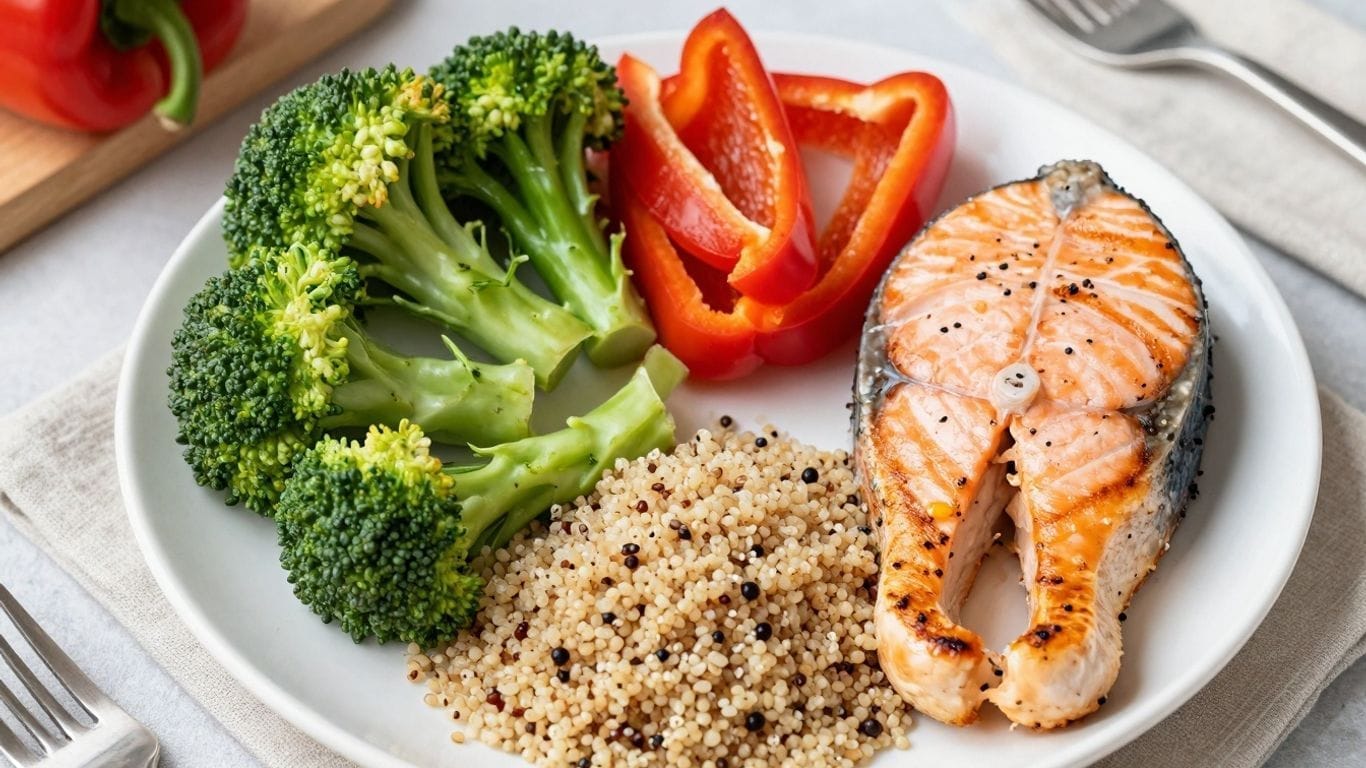
When you're trying to eat more protein, especially for weight loss, the quality of your food choices really matters. It's not just about hitting a number; it's about picking foods that give you a good amount of protein without a ton of extra calories, and that also bring other good stuff to the table like vitamins and fiber. Think whole, minimally processed foods. That's where you'll get the most bang for your buck.
Lean Animal-Based Proteins
Animal proteins are great because they usually pack all the essential amino acids your body needs. These are the building blocks your body can't make on its own.
Poultry: Skinless chicken and turkey breast are lean champions. Easy to cook, versatile, and a solid protein source.
Lean Meats: When you choose beef or pork, go for the leaner cuts like sirloin, tenderloin, or pork loin. They offer protein without excessive fat.
Fish: Fatty fish like salmon and mackerel are fantastic because they give you protein and those heart-healthy omega-3 fats. White fish like cod or tilapia are super lean options if you're watching calories closely.
Eggs: Don't underestimate the humble egg! They're affordable, easy to prepare, and a nutritional powerhouse.
Dairy: Greek yogurt and cottage cheese are protein-packed. Plus, they often have probiotics which are good for your gut.
Nutrient-Dense Plant-Based Proteins
Plant-based proteins are awesome, and many come with the added bonus of fiber, which helps you feel full longer and is great for digestion.
Legumes: Lentils, chickpeas, black beans, and other beans are protein and fiber all-stars. They're also really budget-friendly.
Soy Products: Tofu, tempeh, and edamame are complete proteins, meaning they have all the essential amino acids. They're popular for a reason and soak up flavors really well.
Nuts and Seeds: Almonds, walnuts, chia seeds, and flax seeds offer protein, healthy fats, and fiber. Just be mindful of portion sizes, as they can be calorie-dense.
Quinoa: This grain-like seed is a complete protein source, which is pretty unique for a plant-based food. It's also a good source of fiber.
Understanding Protein Quality
When we talk about protein quality, we're often looking at the amino acid profile. Animal proteins are generally considered 'complete' because they contain all nine essential amino acids. Many plant proteins are 'incomplete,' meaning they might be lower in one or two of those essential amino acids. However, this is easily managed! By eating a variety of plant-based foods throughout the day – like beans with rice, or peanut butter on whole-wheat toast – you can get all the essential amino acids your body needs. It's all about variety and combining different sources.
It's important to remember that while protein is key, focusing solely on it can sometimes lead you to overlook other important nutrients. A balanced approach that includes plenty of vegetables, fruits, and healthy fats alongside your protein sources will serve you best in the long run for overall health and sustainable weight management.
Crafting Your High-Protein Diet Plan
So, you're ready to build a meal plan that actually works for your health goals, specifically focusing on protein. That's awesome! It's not about complicated rules, but more about smart choices and a bit of planning. Think of it as setting yourself up for success, rather than just hoping for the best.
Principles For A Successful Meal Plan
Getting your high-protein diet right involves a few key ideas. It's about making sure protein is the star of your meals, but also about what you pair it with. Here’s the breakdown:
Anchor Every Meal with Protein: Aim to include a good serving of protein, around 25-30 grams, in your breakfast, lunch, and dinner. This keeps you feeling full and satisfied.
Pair Protein with Fiber: Don't forget your veggies, fruits, and whole grains! Fiber helps with digestion and makes you feel even more full, which is a big win for weight management.
Include Healthy Fats: Things like avocado, nuts, seeds, and olive oil are important. They help your body absorb certain vitamins and also contribute to that feeling of fullness.
Stay Hydrated: Drink plenty of water throughout the day. It helps your body process everything, including the protein, and keeps your metabolism humming.
Plan Your Snacks: Having healthy, protein-packed snacks ready means you won't reach for less healthy options when hunger strikes.
The goal isn't just to eat more protein, but to build balanced meals that support your body and keep you satisfied. This approach helps prevent overeating and makes sticking to your plan much easier.
Building Your Own Meal Framework
Creating your meals doesn't have to be a puzzle. You can use a simple template to make sure you're getting a good mix of nutrients. Think of it like this:
Protein Source: This is your main event – chicken breast, fish, tofu, lentils, eggs, Greek yogurt, etc.
Fiber Source: Load up on non-starchy vegetables like broccoli, spinach, bell peppers, or a side of berries or a small apple.
Healthy Fat Source: A quarter of an avocado, a small handful of almonds, or a drizzle of olive oil on your salad.
Complex Carb (Optional/Moderate): A small portion of quinoa, brown rice, or sweet potato, especially if you're active.
For example, a lunch could be grilled chicken breast (protein), a large mixed green salad with vinaigrette (fiber and fat), and maybe a small serving of quinoa (carb).
Strategic Meal Preparation Tips
Planning ahead is your secret weapon. When you have healthy options ready to go, you're way less likely to grab something unhealthy.
Batch Cook Your Proteins: Spend a little time on the weekend cooking a big batch of chicken, ground turkey, or hard-boiling eggs. Store them in the fridge for easy access during the week.
Pre-Chop Veggies: Wash and chop vegetables so they're ready to be thrown into salads, stir-fries, or steamed.
Portion Out Snacks: Divide nuts, seeds, or Greek yogurt into single-serving containers. This makes grabbing a healthy snack quick and easy.
Utilize Leftovers: Plan meals so that dinner leftovers can become lunch the next day. It saves time and reduces food waste.
Beyond Protein: A Balanced Approach For Optimal Health
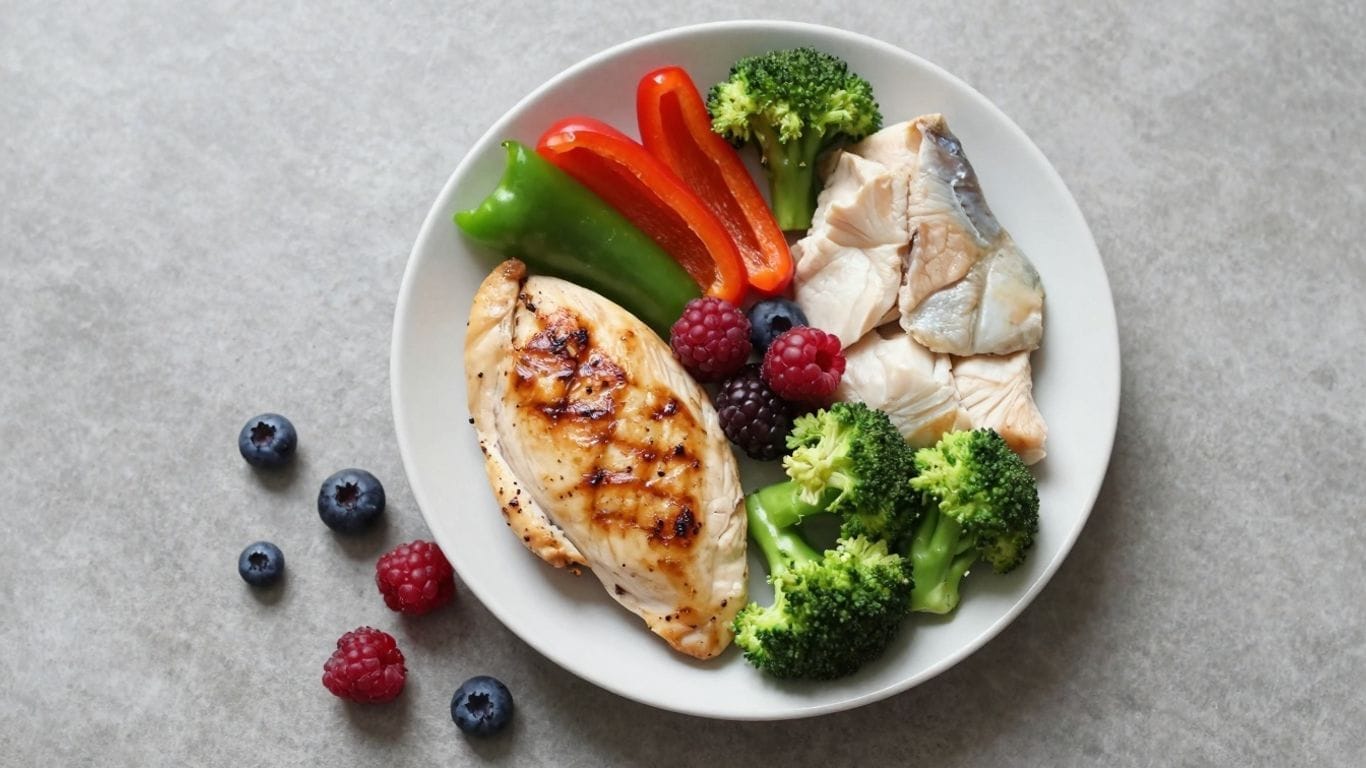
While protein is a superstar for weight loss and muscle building, it's not the only player on the field. To really feel your best and make this a lifestyle, you need to think about the whole picture. It’s about creating a diet that’s not just high in protein, but also rich in other good stuff that keeps your body running smoothly.
Integrating Healthy Fats For Satiety
Don't shy away from fats! Healthy fats are actually super important for feeling full and satisfied after meals. They help your body absorb certain vitamins, like A, D, E, and K. Plus, they can help keep inflammation in check. Think about adding things like avocado, a sprinkle of nuts or seeds, or a drizzle of olive oil to your meals. Just remember, a little goes a long way since they are calorie-dense.
The Importance Of Fiber-Rich Carbohydrates
Carbs get a bad rap sometimes, but they're not the enemy. The key is choosing the right kinds. Instead of refined white bread or sugary snacks, go for fiber-rich complex carbohydrates. These come from sources like vegetables, fruits, beans, lentils, and whole grains. Fiber is great for digestion and, when paired with protein, really helps you feel full, which can keep you from overeating. It also provides your body with energy to get through the day. Including fiber rich foods for weight loss in your diet can help you stay full longer and support healthy digestion.
The Crucial Role Of Hydration
Seriously, drink more water. It sounds simple, but it's so easy to forget. When you're eating more protein, your body needs water to help your kidneys do their job and process everything efficiently. Aim for at least 8-10 glasses a day, and maybe even more if you're active. Staying hydrated helps with metabolism and can prevent those annoying headaches or that sluggish feeling.
A balanced diet isn't just about hitting protein targets; it's about nourishing your body with a variety of nutrients. Think of it like building a sturdy house – you need more than just the main support beams. You need walls, a roof, and all the other components to make it complete and functional.
Here’s a quick look at how to balance your plate:
Protein Source: Your main focus, like chicken, fish, beans, or tofu.
Healthy Fats: A small portion of avocado, nuts, seeds, or olive oil.
Fiber-Rich Carbs: Plenty of colorful vegetables, a serving of fruit, or whole grains like quinoa.
Water: Keep that water bottle handy!
Practical Tips For Sustainable Success
Making a high-protein eating plan work for the long haul isn't just about what you eat, but how you fit it into your actual life. It's more of a marathon than a sprint, right? So, let's talk about some real-world strategies to keep you on track without feeling totally deprived.
Navigating Social Situations and Eating Out
Going out with friends or family doesn't have to derail your progress. Most restaurants have options that fit a high-protein approach. Look for grilled, baked, or broiled meats and fish. Don't be shy about asking for substitutions, like swapping fries for a side salad or steamed veggies. It's amazing how many places are accommodating these days. A quick scan of the menu beforehand can also save you from last-minute stress.
Budget-Friendly High-Protein Options
Eating well doesn't have to break the bank. Some of the most affordable protein sources are also incredibly nutritious. Think about things like eggs, canned tuna or salmon, dried beans and lentils, and chicken thighs or drumsticks. Buying in bulk when possible and cooking larger batches can also save money and time.
Here are a few ideas:
Eggs: Versatile and cheap, great for any meal.
Lentils & Beans: Packed with protein and fiber, perfect for soups, stews, or salads.
Canned Fish: Tuna and salmon are convenient and affordable protein powerhouses.
Chicken Thighs/Drumsticks: Often cheaper than breasts and still a great protein source.
Greek Yogurt: Look for larger tubs for better value.
Overcoming Cravings and Maintaining Motivation
Cravings happen, and that's totally normal. Often, they're a sign your body needs something, maybe just water, or perhaps you're genuinely hungry. Having healthy snacks readily available can make a huge difference. Think about things like a small handful of nuts, a piece of string cheese, or some hard-boiled eggs. Keeping your 'why' in mind – why you started this journey in the first place – can also be a powerful motivator. Celebrate small wins along the way, too! Did you make it through a tough social event without overeating?
Awesome! Acknowledge that success.
Staying consistent is the name of the game. It's about making small, manageable changes that you can stick with over time, rather than trying to be perfect all at once. Listen to your body, be kind to yourself, and remember that progress isn't always linear.
Debunking Common High-Protein Diet Myths
It's easy to get caught up in the hype around diets, and high-protein plans are no exception. Lots of information is out there, and not all of it is accurate. Let's clear up some common misunderstandings so you can feel confident about your food choices.
Myth: Too Much Protein Causes Weight Gain
This one pops up a lot. The idea is that more protein means more calories, so you'll automatically gain weight. But it's not quite that simple. Protein is actually a powerhouse for managing weight. It takes more energy for your body to digest protein compared to fats or carbs, meaning you burn more calories just by eating it. Plus, protein helps you feel fuller for longer, which can reduce overall calorie intake. When you're mindful of your total calorie balance, protein can be a great ally in losing fat, not gaining it. It's all about balance and making smart choices within your daily needs.
Myth: High-Protein Diets Harm Kidneys
This is a concern for many, but for most healthy individuals, it's largely unfounded. The kidneys are responsible for filtering waste products from protein metabolism. If you have pre-existing kidney issues, then yes, you'll want to talk to your doctor about protein intake. However, for people with healthy kidneys, studies generally show that moderate to high protein consumption doesn't cause damage. Staying well-hydrated is key here, as water helps your kidneys do their job efficiently. Think of it like this: your kidneys are built to handle protein, especially when you're drinking enough water to support them. Adequate hydration is a simple step that makes a big difference.
Myth: Protein Is Only For Athletes
While athletes certainly benefit from protein for muscle repair and growth, it's far from being just for them. Protein is a building block for your entire body. It's vital for everything from your immune system and hormone production to keeping your skin, hair, and nails healthy. Everyone needs protein, regardless of their activity level. Whether you're hitting the gym hard or just going about your daily life, your body is constantly using protein. It plays a role in metabolism and general well-being, making it important for all of us.
Here's a quick look at why protein is so important for everyone:
Muscle Maintenance: Helps repair and build muscle tissue, which is important even if you're not an athlete.
Satiety: Keeps you feeling full, which can help manage appetite and reduce snacking.
Metabolism Support: Plays a role in your body's metabolic processes.
Hormone Production: Involved in creating important hormones.
It's important to remember that while protein is fantastic, a balanced diet is still the goal. Combining protein with fiber-rich foods and healthy fats provides the best results for overall health and sustained energy.
Your Path to a Healthier, Leaner You
So, we've gone over why protein is a big deal for weight loss and how to figure out what you need. Remember, it's not about eating weird foods or starving yourself. It's about making smart choices with foods that fill you up and keep your body working well. Adding strength training for weight loss to your fitness routine can help increase calorie burn and improve overall body composition. Think lean meats, fish, eggs, and even plant-based options like beans and tofu. Planning ahead, like prepping some meals or having healthy snacks ready, makes a huge difference. Don't forget to drink plenty of water and pair your protein with veggies and healthy fats. This isn't a race; it's about building habits that stick. Start small, stay consistent, and you'll be well on your way to feeling better and reaching your health goals.
Frequently Asked Questions
Not always! While counting calories can help some people stay on track, it's not a must for everyone. If you focus on eating balanced, high-protein meals and pay attention to when you feel full, you'll likely be on the right path. If you need more exact control, like when trying to lose weight or build muscle, tracking calories along with your protein intake can help you manage your portions better.
Often, yes! High-protein meal plans are usually designed to make grocery shopping simple. They focus on balanced meals with lean proteins, healthy fats, and fiber-filled carbs. Having these balanced meals planned out makes it easier to know what to buy at the store.
A high-protein diet can be adjusted for many food allergies or intolerances. The key is to choose protein sources that you can safely eat. For example, if you can't have dairy, you can focus on lean meats, fish, eggs, or plant-based proteins like beans and tofu. It's always best to talk to a doctor or a dietitian to make sure your plan is safe and meets your needs.
Planning your meals and snacks is a great way to prevent extreme hunger and cravings. If a craving hits, try a small, high-protein snack first. Also, focus on benefits beyond weight loss, like having more energy, clothes fitting better, or feeling stronger. Keeping track of your progress and celebrating your wins can also keep you motivated.
That's a common myth! Actually, protein can help you feel full longer, which can help you eat less overall. When you eat the right amount of protein and combine it with exercise, it actually supports fat loss and helps build muscle, rather than causing weight gain.
Absolutely not! While athletes definitely need protein for muscle repair and energy, everyone can benefit from it. Protein is essential for building and repairing all kinds of body tissues, keeping your metabolism working well, and helping you feel satisfied after meals. It's important for overall health, not just for sports.


Disclaimer: The information provided on this site is intended for your general knowledge only and is not a substitute for professional medical advice or treatment for specific medical conditions. You should not use this information to diagnose or treat a health problem or disease without consulting with a qualified healthcare provider. Please consult your healthcare provider with any questions or concerns you may have regarding your condition. Your use of this website indicates your agreement to this websites published terms of use and all site policies.
All trademarks, registered trademarks and service-marks mentioned on this site are the property of their respective owners. © Copyrights 2025.